
Plants
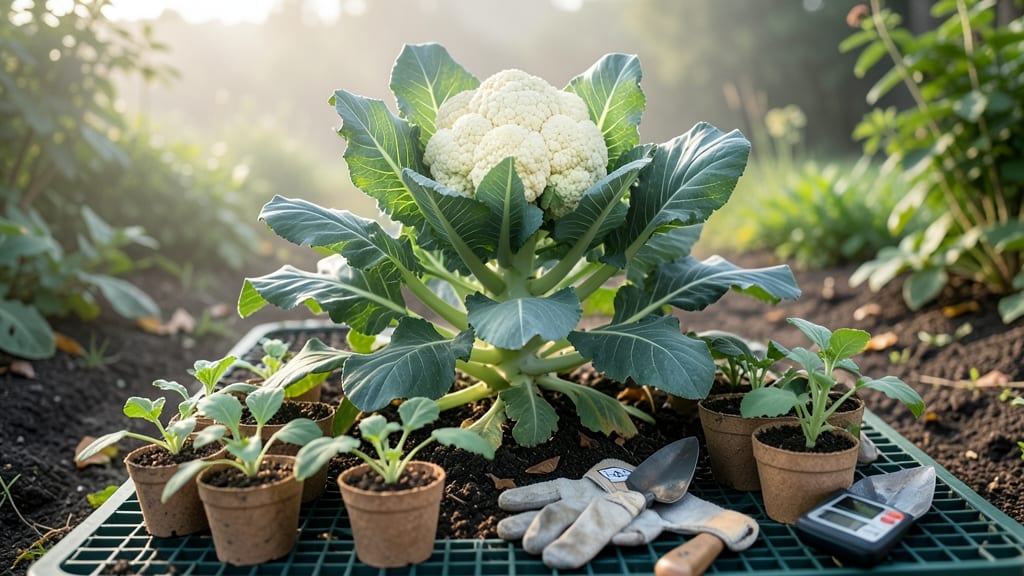
Timing your cauliflower planting in North Carolina is the secret to avoiding bitter disappointment—because one wrong move, and your plants bolt before you even get a harvest.
With NC’s unpredictable spring weather and hot summers, getting those seeds in the ground at the right time makes all the difference between a bountiful garden and a wasted effort.
Most gardeners in zones 7a-8b swear by two planting windows: early spring (February-March) and late summer (August-September). These are the sweet spots where your 🥬 has enough cool weather to mature without rushing into bolting.
But here’s the catch: your exact timing depends on whether you’re in the mountains, Piedmont, or coastal plains—each microclimate plays by its own rules.
If you’re starting seeds indoors, the key is to begin 6-8 weeks before your last frost date (usually mid-March). For direct sowing, wait until soil temperatures hit 40°F and all frost danger has passed.
The goal? Give your plants a steady, cool growing season so they can focus on building those perfect heads instead of racing toward seed production.
Ready to master the art of NC cauliflower planting? I’ll walk you through the exact months to plant, how to adjust for your local climate, and even which varieties handle NC’s heat best. No more guesswork—just a foolproof plan for a harvest you’ll actually get to enjoy.
Best NC planting months for cauliflower: avoiding bolting in hot climates
Timing is everything when growing cauliflower in North Carolina. Unlike cooler climates, NC’s USDA zones 6b-8a demand precise planting windows to avoid premature bolting—when plants flower too early and become bitter. The key? Plant when daytime temps stay below 75°F (24°C) and nights dip below 60°F (15°C).
Most NC gardeners succeed with two planting windows: early spring and late summer. Spring plantings (February–March) give you a May–June harvest, while fall plantings (August–September) yield crops in October–November.
Mountain regions (like Asheville) can push spring plantings slightly earlier, while coastal areas (like Wilmington) must delay fall plantings to avoid early heat.
Here’s how NC’s microclimates affect your schedule:
| Region | Spring Planting Window | Fall Planting Window | Key Risk |
|---|---|---|---|
| Mountains (Zone 6b) | Late January–February | Mid-August–early September | Late frosts in spring |
| Piedmont (Zone 7a) | February–March | Late August–September | Heat spikes in May |
| Coastal (Zone 8a) | March–early April | September–early October | Humidity + heat combo |
For spring plantings, start seeds indoors 6–8 weeks before your last frost date (typically late February–early March for most of NC). Transplant seedlings outdoors when soil temps hit 40°F (4°C) and all frost risk has passed. Use black plastic mulch to warm the soil faster in cooler regions.
Fall plantings require more finesse. Sow seeds 8–10 weeks before your first frost (aim for late August in the Piedmont, early September along the coast). If temps rise above 80°F (27°C)Zone 8a, you might even squeeze in a winter crop by planting in October for a January harvest!
Pro tip: Monitor your soil temperature with a probe—cauliflower roots thrive between 55–75°F (13–24°C). If your soil runs hotter, opt for shade-tolerant varieties like 'Graffiti' or 'Purple of Sicily' (yes, purple cauliflower exists!).
Remember: Succession planting every 2–3 weeks in spring and fall extends your harvest. Just don’t let seedlings sit in cold, wet soil—this invites rot and pests.
🌱
Best NC planting months for cauliflower: avoiding bolting in hot climates
North Carolina’s USDA zones 7a-8b create unique challenges for cauliflower growers—hot summers and mild winters mean you’ve got just two narrow windows to plant successfully. The key is avoiding bolting (when plants flower prematurely) by timing your crop to mature during cooler months.
For most of NC, that means focusing on early spring (February-March) and late summer (August-September) plantings.
Your exact timing depends on your region: mountain gardeners can plant slightly earlier due to cooler nights, while coastal areas should delay until after the last frost (usually mid-March).
Even a few degrees difference can mean the difference between a perfect head and a bitter disappointment. Let’s break down the ideal planting schedule by season and microclimate.
| Planting Window | Ideal Months | Soil Temp Requirement | Microclimate Adjustments | Harvest Window |
|---|---|---|---|---|
| Early Spring | February-March | 40°F+ (4°C+) | Mountains: Jan-Feb; Coast: Mar-Apr | May-June |
| Late Summer | August-September | 50°F+ (10°C+) | Coast: Aug; Piedmont: Sep | October-November |
| Winter (Risky) | October-November | 45°F+ (7°C+) | Only in mountains; use row covers | January-February |
Note: Always check your local last frost date—NC’s varies by 5-10 days between regions.
For spring plantings, start seeds indoors 6-8 weeks before your last frost date. If you’re direct sowing, wait until soil temperatures hit 40°F (4°C)—cold soil slows germination.
In NC’s hot summers, cauliflower bolts quickly, so late summer plantings must be timed to mature before temperatures rise above 80°F (27°C) for extended periods.
Pro tip: Use a soil thermometer to monitor temperatures—cauliflower roots prefer 60-70°F (15-21°C) for optimal growth. If your soil runs hotter, consider shade cloth or mulching to keep roots cool. This small adjustment can extend your harvest window by 2-3 weeks in NC’s heat.
Remember, NC’s coastal regions stay warmer longer than the mountains, so adjust your planting dates accordingly. For example, gardeners in Asheville might plant in January, while those in Wilmington should wait until March.
Always check your local NC State Extension office for precise frost dates—because even a week’s difference can ruin your crop.