
Plants
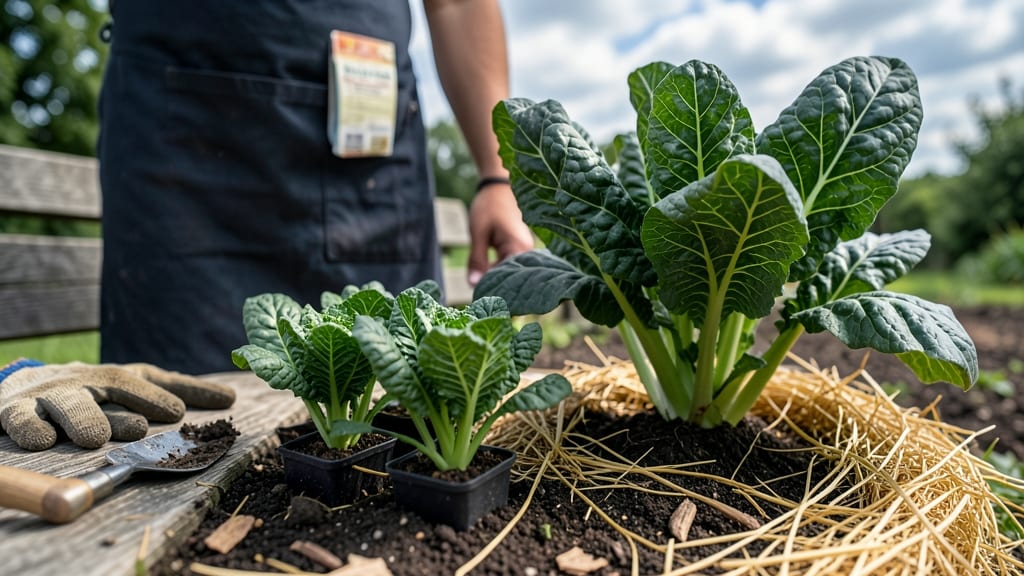
Planting collards in North Carolina at the wrong time can mean bitter greens or wasted effort—so getting the timing right is everything for a bountiful harvest.
With USDA zones 7b-8a offering mild winters and long growing seasons, you’ve got two prime windows to plant these cold-hardy greens: early spring and late summer.
Most gardeners swear by a spring planting in March or April, once soil temperatures climb above 50°F, but fall offers a second chance—just don’t wait too late.
The key is avoiding bolting (when collards flower prematurely) and protecting young plants from unexpected frosts, which can happen as early as November in some NC microclimates.
I’ll walk you through the exact planting dates, soil prep tricks, and how to stretch your harvest from early summer through winter. Whether you’re a first-timer or a seasoned gardener, these region-specific tips will help you grow collards that thrive—not just survive—in North Carolina’s unique climate.
Ready to turn your garden into a collard powerhouse? Let’s dive into the best ways to plant, nurture, and extend your harvest season for months of delicious, homegrown greens.
Best planting windows for collards in NC (Zone 7b-8a)
North Carolina’s USDA Zones 7b-8a offer two prime windows for planting collards: early spring and late summer. These periods align with soil temperatures between 45°F-65°F, ideal for seed germination and seedling growth. Missing these windows risks bolting (premature flowering) or frost damage to young plants.
The first frost in NC typically arrives between mid-October and November, while the last frost occurs around mid-March to April. Timing your plantings around these dates ensures your collards mature before winter sets in.
For example, seeds planted in late March will be ready for harvest by late June, while fall plantings in early August yield by November.
Microclimates within NC—like the mountains (cooler) or coastal plains (warmer)—can shift ideal planting dates by 2-3 weeks. Always check your local frost-free dates and adjust accordingly. For instance, Asheville (Zone 7b) may need earlier spring plantings than Raleigh (Zone 7b-8a).
🌱
📅 Collard Planting Calendar for NC (Zone 7b-8a)
| Planting Window | Soil Temp (°F) | Action | Notes |
|---|---|---|---|
| Early Spring | 45°F-55°F | Direct sow or transplant | Late March to early April |
| Late Summer | 60°F-65°F | Direct sow or transplant | Early August to mid-September |
| Frost Protection | N/A | Use row covers | Extend harvest into winter |
| Avoid Planting | Above 80°F | Risk of bolting | Wait for cooler temps |
For direct sowing, plant seeds ½ inch deep and 1 inch apart in rows spaced 18 inches apart. This spacing allows for thinning seedlings to 12-18 inches apart once they reach 2-3 inches tall.
Transplants can be set out 2-3 weeks earlier than direct-sown seeds for a head start.
Soil preparation is critical. Amend your garden beds with compost or well-rotted manure to improve drainage and fertility. Aim for a slightly acidic to neutral pH (6.0-7.0), as collards thrive in these conditions. A soil test before planting ensures you address any deficiencies like nitrogen or phosphorus.
In cooler microclimates (e.g., Western NC), opt for cold-hardy varieties like 'Georgia Southern' or 'Top Bunch'. These varieties tolerate lighter frosts and produce sweeter leaves when grown in cooler temperatures. In warmer zones (e.g., Eastern NC), focus on heat-tolerant types like 'Vates' or 'Blue Max'.
Always monitor weather forecasts in the weeks leading up to planting. A sudden heatwave or cold snap can disrupt germination or stress young plants. If temperatures rise above 80°F after planting, provide shade cloth to protect seedlings until conditions cool.
🌿
Best planting windows for collards in NC (Zone 7b-8a)
North Carolina’s USDA Zones 7b-8a offer two prime windows for planting collards: early spring and fall. The key is avoiding late frosts and extreme heat, which can stress young plants.
In most of NC, aim for 4-6 weeks before your average last frost date—typically mid-March to early April for spring.
Fall planting is equally rewarding. Seed collards 8-10 weeks before your first frost, usually late July to early August. This gives them time to mature before winter slows growth. In Zone 8a, you can even extend into early September for a late harvest.
| Season | Planting Window | Soil Temp | Key Notes |
|---|---|---|---|
| Spring | Mid-March to early April | 50-60°F | Use row covers for frost protection |
| Fall | Late July to early September | 60-70°F | Choose cold-hardy varieties like 'Georgia Southern' |
For direct sowing, wait until soil temperatures reach 50°F—use a soil thermometer to check. If planting transplants, start them indoors 6-8 weeks before your target outdoor date. NC’s humid summers can cause seed rot, so avoid planting in sweltering heat.
Adjust for your specific NC region. In mountain areas (Zone 7b), plant 2 weeks later to avoid early spring frosts. Coastal areas (Zone 8a) can push planting 1-2 weeks earlier due to milder winters. Always monitor local frost forecasts for real-time adjustments.
Pro tip: Use black plastic mulch in spring to warm the soil faster and straw mulch in fall to insulate roots. Both tricks help extend your planting windows by 1-2 weeks in either direction.
Timing isn’t just about dates—it’s about soil conditions. Test your soil’s pH (6.0-7.0 ideal) and amend with compost before planting. Well-prepared soil helps collards establish faster, giving them a head start against NC’s unpredictable weather patterns.