
Plants
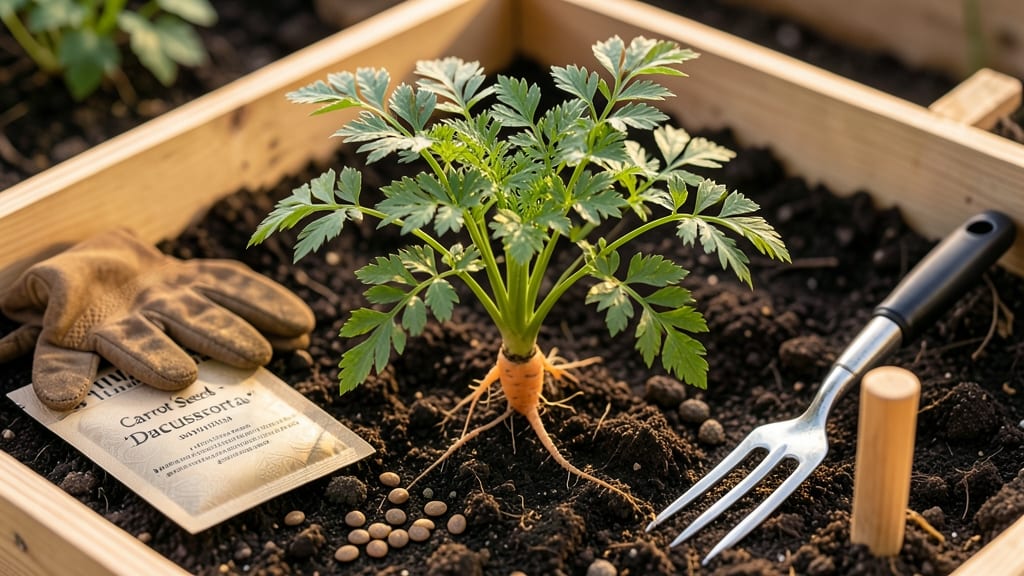
Timing your 🥕 carrot planting in Seattle isn’t just about following a calendar—it’s about outsmarting the city’s tricky coastal winds and inland heat swings. Whether you’re growing sweet Nantes varieties or hardy Danvers, getting the window wrong could mean tough, woody roots instead of the crisp harvest you crave.
With Seattle’s USDA Zone 8a climate, your best bets are planting in early spring (March-April) or late summer (August-September), but coastal areas play by different rules than inland spots.
The key? Starting seeds when soil hits 50°F—not when your neighbor’s garden beckons you to dig in.
I’ve grown 🥕 carrots here for years, and let me tell you: skipping frost dates or rushing seedlings leads to disappointment. In this guide, I’ll break down the exact windows for Seattle’s two distinct growing zones, plus pro tips to beat the Pacific Northwest’s unpredictable weather.
Ready to grow carrots that actually taste like summer? Let’s dive into the timing secrets that’ll have you pulling perfect roots from your garden—no gamble required.
Best planting windows for carrots in Seattle’s coastal vs inland zones
Seattle’s USDA Zone 8a climate creates unique challenges for growing crisp, sweet carrots. Coastal areas near Puget Sound experience cooler temperatures and higher humidity, while inland zones like Bellevue or Redmond enjoy warmer microclimates. These differences mean your planting timeline should adjust based on where you garden.
For spring planting, coastal gardeners should start seeds 2-3 weeks before the last frost (typically mid-March), while inland gardeners can begin 1-2 weeks earlier (early March). This early start ensures 60-70 days of growth before summer heat arrives.
Here’s how to align your planting with Seattle’s two distinct growing seasons—spring and fall—while accounting for coastal chill and inland warmth:
| Zone | Spring Planting | Summer Care | Fall Planting | Harvest Window |
|---|---|---|---|---|
| Coastal (e.g., Bainbridge, West Seattle) | Mid-March to early April (soil temp 50°F+) | Shade cloth in July-August; mulch heavily | Late August to early September (8-10 weeks before first frost) | June-July & October-November |
| Inland (e.g., Bellevue, Redmond) | Early March (soil temp 45°F+) | Drip irrigation; avoid overhead watering | Early September (9-10 weeks before frost) | May-June & September-October |
| Both Zones | Direct sow seeds ¼" deep; thin to 2-3" apart | Harvest baby carrots early to avoid bolting | Use row covers for early starts | Succession plant every 2 weeks for continuous harvest |
Spring-planted carrots in Seattle typically reach harvest size in 60-70 days, but coastal areas may need 10 extra days due to cooler soils. For example, seeds sown in mid-March should yield crisp roots by late May in inland zones, while coastal gardeners might harvest in early June.
Fall planting is equally critical. Inland gardeners can start seeds as early as late August, while coastal areas should wait until early September to avoid early frost. Aim for a 90-day maturity to ensure harvests before mid-October frosts, which can turn carrots woody or split.
One common mistake in Seattle is planting too late in spring or too early in fall. Bolting (premature flowering) becomes a risk if carrots experience temperatures above 80°F for prolonged periods. To prevent this, use shade cloth in summer or opt for heat-tolerant varieties like 'Danvers' or 'Nantes'.
For coastal gardeners, extend your season by using row covers or cold frames to protect young seedlings from late spring frosts or early fall chills. Inland gardeners should prioritize consistent soil moisture during Seattle’s dry summers to prevent woody, bitter roots.
Pro tip: Test your soil’s drainage before planting. Carrots hate soggy soil—amend with compost or sand if your garden holds water. A simple percolation test (pouring water and timing drainage) can save your crop from rot.
Best planting windows for carrots in Seattle’s coastal vs inland zones
Seattle’s USDA Zone 8a climate creates unique challenges for carrot growers, with coastal chill delaying spring and inland warmth advancing fall. Timing is everything—plant too early, and frost will nip tender seedlings; too late, and summer heat can make roots woody.
The key lies in understanding your microclimate and adjusting planting dates accordingly.
For coastal Seattle (areas like West Seattle or Bainbridge Island), the last frost date typically falls around March 15, while inland areas (like Redmond or Kirkland) may see frost as late as April 1.
This 2-week difference can mean the difference between a thriving crop and a failed attempt.
| Zone | Spring Planting Window | Fall Planting Window | Key Consideration |
|---|---|---|---|
| Coastal (Zone 8a) | March 15 – April 15 | August 15 – September 15 | Later frost risk; use row covers |
| Inland (Zone 8a) | April 1 – April 30 | September 1 – October 1 | Warmer soil; extend season with succession planting |
Spring planting should begin 2-3 weeks before your last frost date for coastal areas or 1-2 weeks earlier for inland zones. For example, if you’re in West Seattle, aim to sow seeds by March 1, while Redmond gardeners can wait until March 15.
This timing ensures seedlings emerge when soil temperatures reach 50°F, the ideal range for germination.
Fall planting offers a second chance for harvests, but timing is critical. Start seeds 8-10 weeks before your first frost (typically August 15 for coastal and September 1 for inland).
This gives carrots enough time to mature before temperatures dip below 40°F, which can stunt growth. For a continuous harvest, stagger plantings every 2 weeks from August through September.
One common mistake in Seattle is overestimating summer heat tolerance. While carrots prefer 60-70°F soil temperatures, Seattle’s summer heatwaves (above 85°F) can cause bolting (flowering) or woody roots.
To avoid this, opt for shade cloth during peak afternoons or choose heat-tolerant varieties like 'Danvers Half Long' for late-summer plantings.
Always test your soil’s drainage and pH before planting—Seattle’s acidic, clay-heavy soil can lead to forked or stunted carrots. Aim for a pH of 6.0-7.0 and amend with compost or sand if needed. With the right timing and soil prep, you’ll enjoy crisp, sweet carrots from spring through fall. 🥕