
Plants
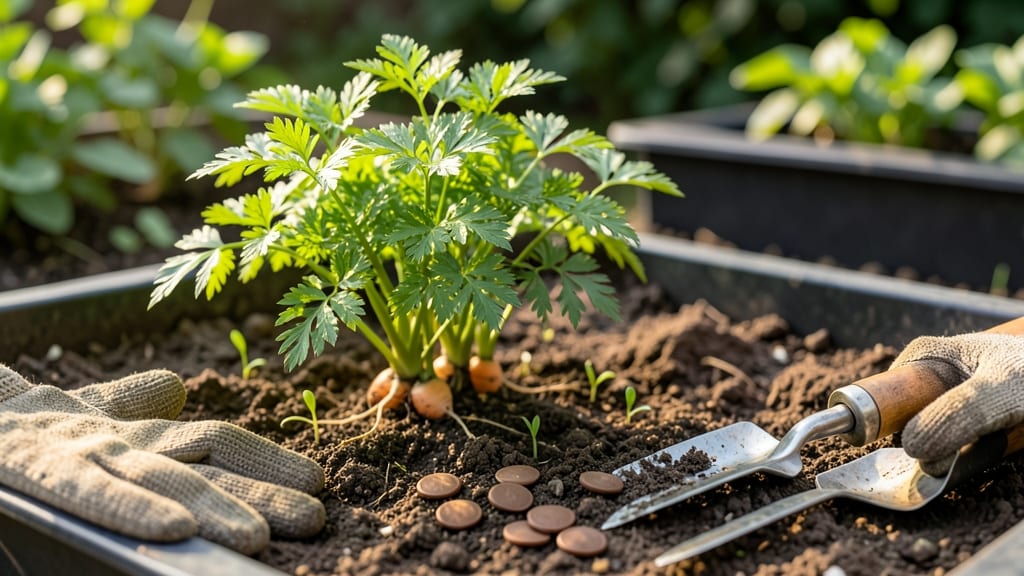
If you've ever planted 🥕 carrots in Georgia only to end up with bitter, stunted roots, you're not alone—timing is the key to success in our warm but unpredictable climate.
Georgia's 7b-8b zones offer two perfect windows for planting: early spring and late summer, but getting it wrong means struggling with pests, poor soil, or even total crop failure.
Most gardeners in Georgia make one critical mistake: planting too early or too late, missing the sweet spot between February-March and August-September when soil temperatures are just right.
The difference between a crisp, sweet harvest in May-June or November-December and a disappointing one comes down to understanding your region's frost dates and soil conditions.
I've grown 🥕 carrots across Georgia's diverse regions—from the Piedmont's rolling hills to the Coastal Plain's sandy soils—and I'll share exactly when to plant, how to prep your soil, and which varieties thrive in our heat.
Whether you're a beginner or a seasoned gardener, these insights will help you avoid common pitfalls and grow the perfect carrot crop.
Ready to transform your garden? Let's dive into the best planting strategies for Georgia's climate, including soil prep tips, frost-free date guides, and variety recommendations that actually work in our unique growing conditions. Your next harvest starts with the right timing!
Georgia carrot planting calendar: frost-free dates by region for optimal harvests
Georgia’s diverse climate—from the cool North Georgia Mountains to the humid Coastal Plain—means carrot planting times vary dramatically. To ensure sweet, crisp roots, align your planting with soil temperatures above 50°F and frost-free windows specific to your region.
Whether you're in Atlanta’s Piedmont or Savannah’s lowlands, these timing guidelines will maximize your harvest.
Carrots thrive in cool-season conditions, making spring and fall the ideal planting windows. In Georgia, this translates to two primary planting periods: late winter/early spring (February–March) for summer harvests, and late summer/early fall (August–September) for winter harvests.
Missing these windows risks bolting (premature flowering) or stunted growth from heat stress.
Here’s how to tailor your planting schedule to Georgia’s five key regions, including soil temperature thresholds and frost dates that determine your success:
| Region | Last Frost Date | Ideal Planting Window | Soil Temp Threshold | Harvest Window |
|---|---|---|---|---|
| North GA Mountains (USDA 6b-7a) | March 20–April 5 | February 15–March 15 (spring) / August 1–15 (fall) | 50–55°F | June–July / November–December |
| Piedmont (Atlanta Metro, USDA 7b-8a) | March 10–25 | February 1–March 10 (spring) / August 10–25 (fall) | 55–60°F | May–June / October–November |
| Coastal Plain (Savannah, USDA 8a-8b) | February 15–March 1 | January 15–February 15 (spring) / July 15–August 15 (fall) | 60–65°F | April–May / September–October |
| Wiregrass (Albany, USDA 8b) | February 1–15 | January 1–February 10 (spring) / July 1–15 (fall) | 60–65°F | March–April / August–September |
| Atlanta Metro (USDA 7b-8a) | March 15–30 | February 10–March 10 (spring) / August 5–20 (fall) | 55–60°F | May–June / October–November |
*Frost dates vary yearly; check local almanacs for updates.
For spring plantings, aim to sow seeds 4–6 weeks before your last frost date. In North Georgia, this means late February, while Coastal Plain gardeners can start as early as mid-January.
Use a soil thermometer to confirm temperatures are consistently above 50°F—cold soil slows germination and can lead to rotten seeds.
Succession planting is key to continuous harvests. In Atlanta’s Piedmont, sow new seeds every 2–3 weeks from February through April to stagger maturity. For fall harvests, start in August and continue through early September, ensuring seedlings establish before fall temperatures drop.
In hotter regions like Savannah, opt for shade cloth to protect young plants from intense afternoon sun.
Georgia’s sandy Coastal Plain soils drain too quickly for carrots, while clay-heavy Piedmont soil can cause forking. Amend beds with 2–3 inches of compost and sand (for Coastal Plain)
How to adjust carrot planting times for Georgia’s microclimates and soil conditions
Georgia’s diverse geography—from the North GA Mountains to the Coastal Plain’s sandy soils—means one planting schedule doesn’t fit all. Urban gardeners in Atlanta’s heat islands face different challenges than Wiregrass farmers battling clay-heavy earth. Adjusting your timeline based on your microclimate keeps your carrots thriving year-round.
Start by testing your soil temperature with a simple soil thermometer. Carrot seeds need 50–60°F soil to germinate—cooler than many gardeners assume. In high-altitude areas like Blairsville, wait until April 15–May 1 to avoid spring’s lingering frosts, while Coastal Plain growers can plant as early as February 15.
For urban gardens with limited space, opt for container growing with well-draining mixes. Add vermiculite or perlite to prevent soil compaction, which causes forked or misshapen roots. In sandy Coastal Plain soils, mix in compost or aged manure to retain moisture and nutrients.
Heat-sensitive varieties like ‘Danvers’ need shade cloth (40–50%) during Georgia’s July–August peak heat. Plant these in late summer (August 15–September 15) for a fall harvest before first frost. Meanwhile, ‘Nantes’ carrots handle heat better—ideal for Wiregrass Region gardens where summer planting is risky.
Mulch heavily with straw or leaves to stabilize soil temps. In Piedmont clay soils, add gypsum (10 lbs per 100 sqft) before planting to loosen compacted earth. This prevents the “woody” texture Georgia clay often causes in carrots.
Monitor local Almanac frost predictions and adjust by 2–3 weeks if your microclimate runs colder (e.g., Blue Ridge Mountains) or warmer (e.g., Savannah’s Coastal Plain). Succession plant every 2–3 weeks for continuous harvests—spring, summer, and fall.