
Plants
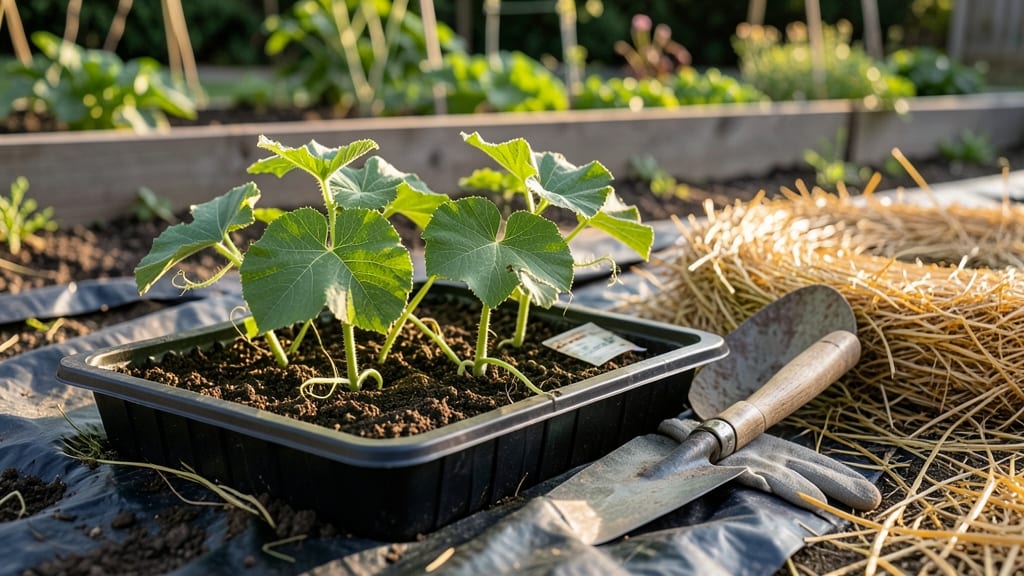
If you're growing cantaloupe in Zone 9b's intense heat, when to plant cantaloupe in Zone 9b is the key to avoiding bitter, bolted fruits and maximizing those sweet, juicy melons you crave.
The late winter to early spring window (February–March) gives your vines the perfect head start before summer's scorching temperatures kick in.
Here's the secret: cantaloupe thrives when soil temperatures hit 70°F+ and nighttime temps stay above 55°F. In Zone 9b (think Phoenix or Southern California desert), that means waiting until late February or early March—just when the days start getting longer and the ground warms up naturally.
I've learned the hard way that planting too early leads to bolting (those bitter, flowery melons), while waiting too long risks vines struggling to mature before summer's peak heat. The 75-day sweet spot between planting and harvest is your goal, and I'll show you exactly how to hit it.
Whether you're a first-time gardener or a seasoned desert grower, these Zone 9b-specific tips will help you grow cantaloupes that are sweeter, larger, and more reliable than ever before. Let's get those seeds in the ground at the perfect moment!
Optimal planting dates for cantaloupe in Zone 9b to avoid bolting
In Zone 9b, where summers are relentless and winters are mild, timing your cantaloupe planting is critical to avoid bolting—when plants flower prematurely due to heat stress.
Unlike cooler climates, you won’t have to worry about frost, but you’ll need to nail the soil temperature and heat tolerance windows to ensure your vines mature before the peak summer heat.
Cantaloupes thrive when soil temperatures stay above 70°F and nighttime temps remain above 55°F. In Zone 9b, this typically means starting seeds or transplanting in late February to early April.
Planting too early can trigger bolting, while waiting too long risks vines struggling to produce fruit before the hottest months.
Since cantaloupes need 75-90 days to mature, your planting window should align with a harvest window of May to July. This means calculating backward from your first expected 90°F+ days—when even heat-tolerant varieties may struggle.
| Stage | Action | Key Consideration |
|---|---|---|
| Soil Prep | Test soil pH (6.5-7.0), amend with compost | Zone 9b soils often need organic matter |
| Seed Starting | Indoor start 3-4 weeks before last frost (none in 9b) | Use heat mats for faster germination |
| Transplanting | After soil hits 70°F (late Feb-early Apr) | Hardening-off seedlings is critical |
| Succession Planting | Every 2 weeks until May | Extends harvest window |
| Harvest Window | May through July | Avoid peak August heat |
For direct sowing, wait until the air temperature consistently stays above 60°F during the day and 55°F at night. In Phoenix or Palm Springs, this usually means mid-March to early April.
If you’re in coastal Zone 9b (like San Diego), you might push planting to April to avoid early-season heat spikes.
Use a soil thermometer to verify temperatures—cantaloupe seeds won’t germinate well below 60°F, and seedlings can bolt if exposed to sudden heat. If your soil warms too quickly, consider shade cloth (30-50% shade) for the first 1-2 weeks after transplanting to ease the transition.
Pro tip: In Zone 9b, succession planting every 2 weeks from February through April ensures a continuous harvest. This works because cantaloupes mature quickly—60-90 days—so staggered plantings keep your table stocked without overlapping vines.
Remember, cantaloupes are heat-loving but not heat-proof. Once temperatures exceed 95°F for prolonged periods, even mature vines may struggle. Plan your planting schedule to harvest before July’s peak heat sets in.
For container growers, start seeds indoors in February and transplant when soil warms, using 5-gallon pots or larger. Containers dry out faster in Zone 9b’s heat, so monitor moisture closely and water deeply in the morning.
Finally, keep an eye on your local microclimate. Urban areas with heat islands (like downtown Phoenix) may need earlier planting than rural zones. Adjust your schedule based on your specific sun exposure and wind patterns—cantaloupes thrive in full sun but can suffer from windburn.
By mastering these planting windows and heat management techniques, you’ll avoid the twin pitfalls of bolting and poor maturation, ensuring a bountiful cantaloupe harvest in Zone 9b’s challenging climate. 🍈
Optimal planting dates for cantaloupe in Zone 9b to avoid bolting
In Zone 9b, where soil temperatures can soar to 90°F+ by May, timing your cantaloupe planting is about avoiding two extremes: bolting (premature flowering) or stunted growth from late starts.
The ideal window is late February to early March, when daytime temps hover around 75-85°F and nights stay above 55°F consistently.
Cantaloupe seeds need soil temps of 70°F+ to germinate properly—any cooler, and you’ll face slow sprouts or uneven growth. I’ve found that mid-March plantings often yield the best results in my Phoenix garden, giving vines a full 75-90 days to mature before summer’s peak heat arrives.
🌱
| Stage | Zone 9b Action | Key Metric |
|---|---|---|
| Soil Prep | Test soil temp (use a thermometer) | 70°F+ for germination |
| Planting Window | Late Feb–Early March | Avoids bolting risk |
| Succession Planting | Every 2 weeks until May | Extends harvest season |
| Harvest Ready | Late May–July | 75–90 days post-planting |
For succession planting, I recommend sowing seeds every 2 weeks through early May. This staggered approach ensures a continuous harvest from June through August, even as summer temperatures climb. Just be sure to harden off seedlings for 5-7 days before transplanting to toughen them against Zone 9b’s intense sun.
One trick I’ve picked up from local farmers is to plant in raised beds filled with a 50/50 mix of compost and native soil. This helps regulate soil temperature and moisture, giving your cantaloupe vines the stable conditions they crave.
The extra organic matter also improves drainage—a must in Zone 9b’s heavy clay soils.
If you’re using black plastic mulch, lay it down 2-3 weeks before planting to raise soil temps by 5-10°F. This jumpstart gives your seeds the warmth they need to germinate faster, especially if February brings cooler-than-average nights. Just
🌡️