
Plants
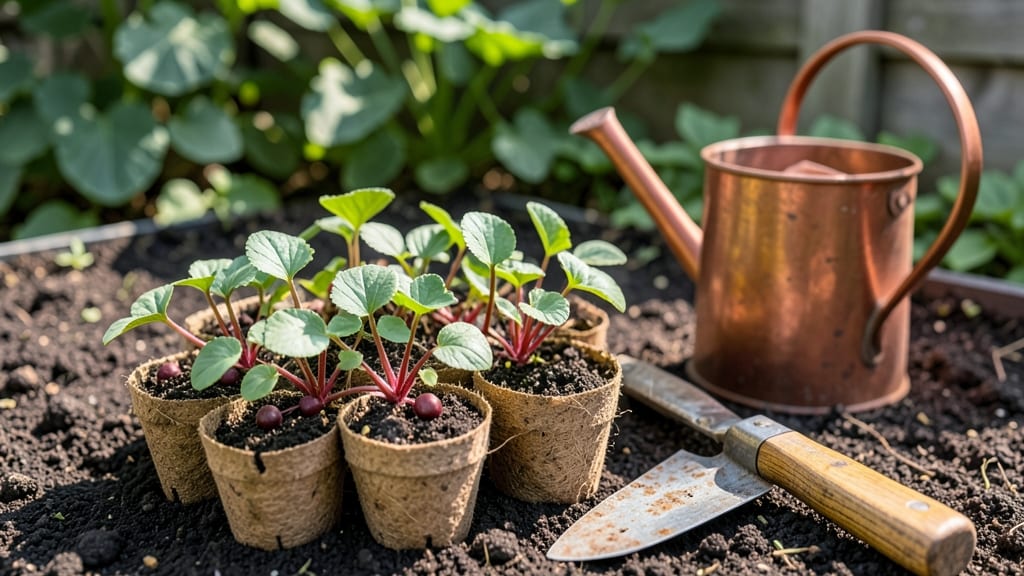
In our 9b-11 climate, where winters are mild and summers scorching, timing is everything. Plant too early in the heat, and your 🍠 beets will rush to seed.
Too late, and you’ll miss the ideal harvest window. But with the right strategy, you can enjoy fresh beets from fall through spring—no bolting in sight.
I’ve tested the best planting windows over the years, and the secret isn’t just about months—it’s about microclimates. Coastal areas stay cooler longer than inland spots, and even a few degrees can make the difference between a thriving crop and a failed one.
Let’s break down exactly when to plant for zero-stress harvests.
Whether you’re a seasoned gardener or just starting out, these insights will help you avoid common pitfalls and enjoy homegrown beets that rival the market—without the guesswork. Ready to master the timing?
Best months to plant beets in Southern California for maximum yield
Southern California’s mild winters and hot summers create a unique challenge for growing beets. Unlike cooler climates, we can’t rely on a single planting window—timing is everything to avoid bolting (flowering prematurely) or stunted growth.
The key is planting when daytime temperatures stay below 75°F and nights dip into the 50s°F, which gives beets the ideal conditions to thrive.
In my 10 years of SoCal gardening, I’ve learned that fall and early spring are the sweet spots. Fall plantings give you a winter harvest, while spring plantings avoid the brutal summer heat. Let’s break down the best months and why they work so well for your garden.
🌱 Southern California Beet Planting Guide
| Season | Best Planting Months | Daytime Temp Range | Nighttime Temp Range | Harvest Window | Key Tips |
|---|---|---|---|---|---|
| Fall | September - October | 65°F - 78°F | 50°F - 60°F | December - January | Plant 6-8 weeks before first frost (rare in SoCal, but cooler temps trigger sweetness) |
| Early Spring | February - March | 60°F - 72°F | 45°F - 55°F | May - June | Avoid planting after March if temps exceed 75°F—bolting risk increases |
| Late Summer (Risky) | August (Coastal Only) | 70°F - 80°F | 60°F - 68°F | September - October | Only works in coastal areas with cooler microclimates; use shade cloth if inland |
| Winter (Slow Growth) | November - January | 55°F - 68°F | 40°F - 50°F | February - March | Growth slows; best for storage beets or overwintering greens |
For fall plantings, aim to sow seeds by mid-September in inland areas and late September near the coast. This gives beets enough time to mature before summer heat sets in. I’ve had the most success with Detroit Dark Red and Chioggia varieties—they handle our climate better than others.
If you’re planting in early spring, don’t wait past mid-March. After that, the risk of bolting skyrockets. I once planted a batch in April, and within weeks, my beets shot up flowers instead of roots—a painful lesson!
Use shade cloth if you must plant later, but it’s not ideal.
One trick I’ve picked up from local farmers is to plant beets in raised beds with black plastic mulch. This keeps soil temps stable and reduces bolting. Plus, it makes harvesting easier—no more digging in heavy clay soil. Just
Another pro tip: Soak your beet seeds overnight before planting. This boosts germination rates in our dry climate. I’ve seen germination improve from 50% to 90% just by soaking seeds for 8-12 hours first. It’s a small effort that pays off big time.
Lastly, avoid planting beets in summer unless you’re in a high-elevation area like Big Bear or Mount Laguna. The heat will turn your sweet roots into tough, woody messes. Instead, focus on fall and spring for the best results.
With the right timing, you can enjoy fresh beets from December through June—no greenhouses or fancy equipment needed. Just good old-fashioned seasonal planning and a little patience.
Best months to plant beets in Southern California for maximum yield
Southern California’s mild winters and warm springs create perfect conditions for growing beets—but timing is everything. Beets thrive in cooler temperatures (50-75°F), so planting too early in summer or too late in fall risks bolting (going to seed prematurely) or poor germination.
The key is to plant when daytime highs stay below 75°F and nights dip below 60°F.
For most of Southern California (USDA Zones 9b-11), the ideal planting windows are September-October for fall harvests and February-March for spring harvests. Coastal areas can extend planting slightly later due to their cooler microclimates, while inland regions should plant earlier to avoid summer heat.
Here’s how to align your planting with Southern California’s seasons:
If you’re in inland valleys like the San Fernando Valley or Coachella Valley, aim for September planting to harvest before summer heat peaks. Coastal gardeners in Santa Barbara or San Diego can push planting to late October for winter harvests, thanks to cooler ocean breezes.
For heat-sensitive varieties like Detroit Dark Red or Chioggia, avoid planting after April 15—they’ll bolt quickly once temperatures climb above 75°F. Instead, opt for heat-tolerant varieties like Cylindra if you must plant in late spring.
Pro tip: Test your soil’s moisture retention before planting. Beets need consistent moisture to prevent woody roots, so amend sandy SoCal soil with compost or peat moss to hold water. Mulch with straw to keep roots cool and soil moist during dry spells.