
Plants
Timing your 🍈 cantaloupe planting in Louisiana isn't just about avoiding frost—it's about catching that sweet spot between 65°F soil temps and the state's infamous heat spikes, which can send vines bolting before they even set fruit.
If you plant too early, those humid Louisiana mornings will stall germination. Too late, and you miss the prime 60-75 day growing window before summer's relentless sun turns your melons bitter.
The key? Mastering that 30-day window between mid-February and early April when the ground finally warms enough to play host to these thirsty vines.
I've grown cantaloupes here for years, and let me tell you—getting this right means the difference between sweet, vine-ripened fruit that practically falls into your hands and sad, seedy disappointments that barely qualify as "melon."
In this guide, I'll show you exactly how to read Louisiana's unpredictable weather patterns, pick the right varieties for your microclimate, and time your planting so your cantaloupes hit peak ripeness just as summer's heat settles in—no guesswork required.
Louisiana’s ideal cantaloupe planting window: avoiding bolt risk with heat wave timing
Cantaloupes thrive in Louisiana’s heat, but our unpredictable temperature swings can trigger bolting—when plants flower before setting fruit. The perfect window opens when soil temps hit 65°F+ consistently for 30-45 days, typically between late February and early April.
This aligns with Louisiana’s USDA Zones 8a-9b, where frost risk plummets after March 15.
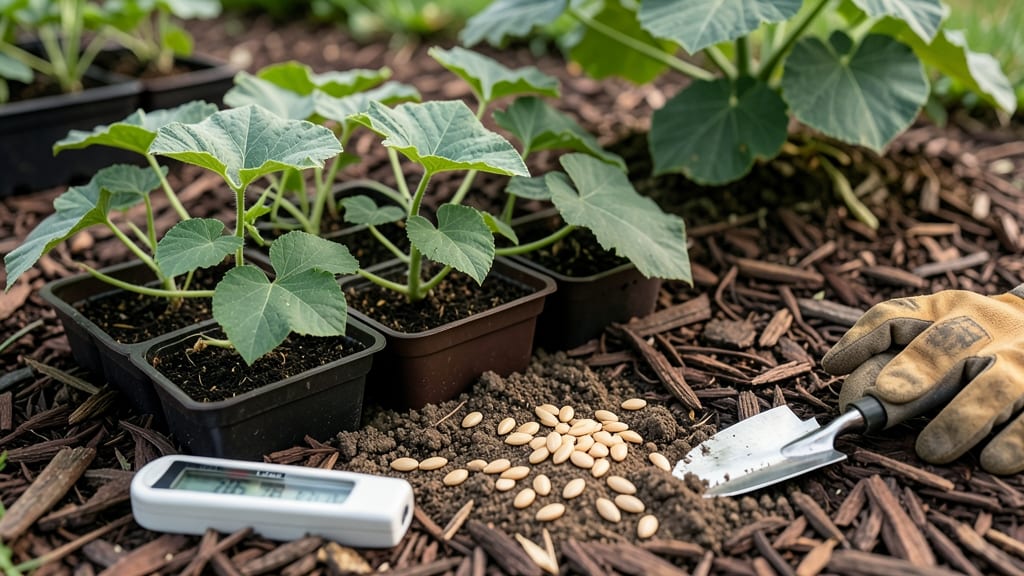
Use a soil thermometer to verify—cantaloupes won’t germinate below 70°F. In northern Louisiana (like Shreveport), wait until mid-April to avoid early stress. For southern Louisiana (New Orleans), late February works if you use black plastic mulch to warm the soil faster.
| Planting Stage | Key Action | Louisiana-Specific Tip |
|---|---|---|
| Soil Prep | Test pH (6.0–6.8), add compost | Amend clay soil with sand or peat moss for drainage. |
| Planting Time | After last frost, soil 70°F+ | Use row covers for early plantings in cooler areas. |
| Variety Choice | Heat-tolerant types like ‘Hale’s Best’ | ‘Athena’ excels in humid southern LA conditions. |
| Post-Planting Care | Water deeply 2x/week | Mulch with straw to lock in moisture in heavy soils. |
Check your local LSU AgCenter for heat wave forecasts—these pinpoint 45-day windows where cantaloupes flourish. For example, Alexandria’s window often shifts to mid-March due to river breezes, while Lake Charles can start as early as February 20th.
Missed the spring window? Try summer plantings in late June, but protect young plants with shade cloth from 100°F+ afternoons. Varieties like ‘Ambrosia’ handle heat better, making them perfect for extended Louisiana seasons.
Cantaloupes need 6–8 hours of sun daily, so choose a south-facing spot with no afternoon shade. In urban gardens, black containers absorb heat faster—ideal for New Orleans balconies in Zone 9a.
Start seeds indoors 4–6 weeks before your target date to give vines a head start. Transplant seedlings when they’re 2–3 inches tall, burying stems up to the first leaves to boost root growth in Louisiana’s humid, heavy soils.
Pro tip: Monitor humidity levels—cantaloupes need airflow to prevent fungal diseases. Space vines 3–4 feet apart and prune lower leaves to improve circulation in Louisiana’s sticky summer air.
Remember, cantaloupes are heat-loving annuals that bolt when stressed. By planting during Louisiana’s ideal 30-45 day heat wave, you’ll maximize sweet, ripe fruit before summer’s peak intensity.
Louisiana’s ideal cantaloupe planting window: avoiding bolt risk with heat wave timing
Cantaloupes love heat, but Louisiana’s sudden temperature swings can trick young plants into bolting—shooting up flowers before they’re ready to fruit. The key is planting when soil temps hit 65°F+ consistently for at least 30-45 days, typically between late February and early April in most of the state.
This window aligns with Louisiana’s USDA Zones 8a-9b, where frost risk drops dramatically after March 15.
Use a soil thermometer to confirm readiness—cantaloupes won’t germinate well below 70°F. In cooler microclimates like north Louisiana (e.g., Shreveport), wait until mid-April to avoid early-season stress. For southern Louisiana (e.g., New Orleans), late February plantings often work if you use black plastic mulch to warm the soil faster.
| Planting Stage | Key Action | Louisiana-Specific Tip |
|---|---|---|
| Soil Prep | Test pH (6.0–6.8), amend with compost | Louisiana’s clay soil? Mix in sand or peat moss for drainage. |
| Planting Time | After last frost, soil 70°F+ | Use row covers if planting early to protect from late frosts. |
| Variety Choice | Heat-tolerant types like ‘Hale’s Best’ | ‘Athena’ thrives in humidity—ideal for southern LA. |
| Post-Planting | Water deeply 2x/week | Mulch with straw to retain moisture in clay-heavy soils. |
Pro tip: Check your local AgCenter (LSU’s extension service) for heat wave forecasts—these predict the 45-day stretches where cantaloupes flourish. For example, Alexandria’s ideal window often shifts to mid-March due to cooler river breezes, while Lake Charles can start as early as February 20th.
If you miss the spring window, don’t despair—summer plantings (late June) work too, but focus on shade cloth to protect young plants from 100°F+ afternoons. Varieties like ‘Ambrosia’ handle heat better than standard cantaloupes, making them a Louisiana favorite for extended seasons.
Remember: Cantaloupes need 6–8 hours of sun daily, so choose a south-facing spot with no afternoon shade. In urban gardens, black containers absorb heat faster—perfect for balconies in New Orleans’ Zone 9a.
Start seeds indoors 4–6 weeks before your target planting date to give vines a head start. Transplant seedlings when they’re 2–3 inches tall, burying stems up to the first leaves to encourage root growth. This trick helps cantaloupes establish faster in Louisiana’s heavy, humid conditions.