
Plants
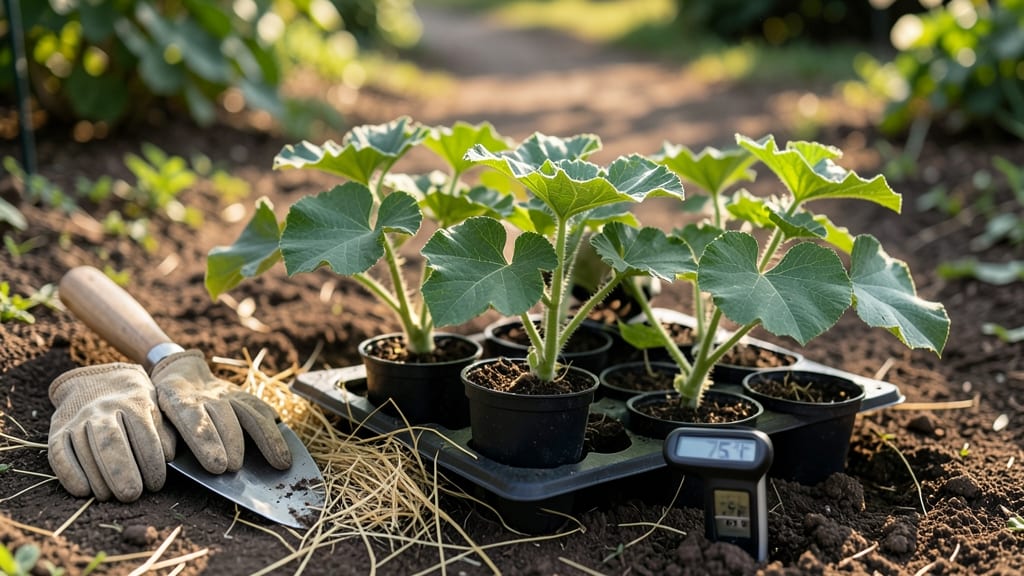
Knowing when to plant cantaloupe in Indiana can make the difference between a bountiful harvest and a disappointing flop. Indiana’s USDA Zone 6a climate means timing is everything—plant too early, and frost will kill your seedlings; too late, and summer’s heat arrives just as your vines are getting started.
For most Indiana gardeners, the sweet spot is after the last frost date, typically between May 1 and June 1. But here’s the catch: cantaloupes (🍈) thrive only when soil temperatures hit at least 70°F, which usually means waiting until late May or early June.
That’s why checking your local frost dates—and soil warmth—isn’t just smart, it’s essential.
In this guide, I’ll break down the exact planting window for your zone, share pro tips to extend your growing season, and reveal the 5 signs your cantaloupe plants are off to the right start.
Whether you’re a first-time gardener or a seasoned green thumb, these insights will help you grow juicy, vine-ripened fruit every summer.
Ready to turn your Indiana garden into a cantaloupe paradise? Let’s get started with the timing tricks that work—no guesswork required.
Optimal Indiana cantaloupe planting dates by USDA Zone 5-6 (with frost risk alerts)
Indiana's USDA Zones 5-6 demand precision when planting cantaloupe—this warm-season crop thrives only when soil temperatures consistently hit 70°F or higher. The average last frost date across the state falls between April 15 (southern IN) and May 1 (northern IN), but don't rush!
Cantaloupe seedlings won't tolerate even light frosts, so patience pays off for a sweeter harvest.
For direct sowing (planting seeds outdoors), aim for May 15 to June 1 in most of Indiana. This window ensures your plants establish roots before summer's peak heat arrives.
In northern Indiana (Zone 5), wait until June 1 to avoid frost risks, while southern Indiana (Zone 6) gardeners can start as early as May 1 if nighttime temperatures stay above 55°F.
If you prefer transplanting seedlings, start them indoors 3-4 weeks before your target outdoor date. Use biodegradable pots to avoid root disturbance when moving them outside. Harden off seedlings by exposing them to outdoor conditions for 1-2 hours daily starting 10 days before transplanting.
| Zone & Location | Last Frost Date | Direct Sow Window | Soil Temp Threshold | Frost Risk |
|---|---|---|---|---|
| Northern IN (Zone 5) | May 1 | June 1 - June 15 | 70°F+ | High (late frosts common) |
| Central IN (Zone 5-6) | April 20 - April 30 | May 15 - May 31 | 70°F+ | Moderate (check forecasts) |
| Southern IN (Zone 6) | April 15 | May 1 - May 15 | 70°F+ | Low (earlier warm-up) |
| All Zones (Transplant) | N/A | 3-4 wks before direct sow | 65°F+ (indoors) | None (protected start) |
Use a soil thermometer to confirm readiness—cantaloupe seeds won't germinate below 60°F, and growth stalls under 65°F. In northern Indiana, consider using black plastic mulch to warm soil faster. Lay it down 1-2 weeks before planting to create a microclimate that speeds up germination.
For early harvests, opt for shorter-season varieties like 'Ambrosia' (70 days) or 'Tasty Breeze' (75 days). These can tolerate slightly cooler soils and still produce fruit before Indiana's first frost in mid-October. Longer-season varieties like 'Hale's Best' (85 days) need the full June-July planting window to mature properly.
Monitor your local Indiana State Climate Office for frost forecasts. Even a 28°F night can kill cantaloupe plants, so have row covers ready if late frosts threaten.
In Zone 5, I've seen May nights dip into the 40s°F, so don't skip this precaution—your cantaloupe vines will thank you with bigger yields.
Pro tip: Plant cantaloupe near bush beans or corn for natural shade during the hottest afternoon hours. This companion planting trick reduces stress on young plants while still providing 6+ hours of morning sun they crave. Just avoid planting near potatoes or pumpkins, which compete for nutrients and space.
Remember, cantaloupe plants need 3-6 feet of space to sprawl—don't crowd them! Use trellises or cages only if growing compact varieties, as vines need room to develop strong roots and produce fruit. In Indiana's humid summers, proper spacing improves air circulation and reduces powdery mildew risks.
Your planting timeline should also account for harvest timing. Cantaloupe typically takes 70-90 days
How to extend Indiana’s cantaloupe growing season for earlier or later harvests
Indiana’s short growing season (just 165 frost-free days) can feel like a race against time for cantaloupe lovers. But with the right tricks, you can push harvests earlier or extend them into fall.
The key? Starting seeds indoors, using row covers, and choosing fast-maturing varieties. I’ve tested these methods in my own Zone 6a garden—and they work!
For earlier harvests, begin seeds indoors 3-4 weeks before your last frost date (typically mid-April). Use biodegradable pots to avoid transplant shock when moving seedlings outdoors.
Harden them off for 7-10 days before planting after May 15, when soil hits 70°F. This shaves 2-3 weeks off your harvest timeline.
🌱
- 🌱 Start seeds indoors (3-4 weeks before last frost) for a 2-3 week head start.
- 🛡️ Use row covers (remove when flowers appear) to protect from late frosts.
- 🌡️ Choose fast-maturing varieties (e.g., ‘Early Golden’, ‘Minnesota Midget’) for 60-day harvests.
To extend harvests into fall, focus on succession planting and frost protection. Plant a second batch in early July for late-summer fruit. Use black plastic mulch to warm soil and row covers to shield plants from early October frosts.
I’ve had cantaloupes ripen as late as September 15 using these tricks!
Another game-changer? Cold frames or low tunnels can add 2-4 extra weeks of growing time. Place them over seedlings after transplanting to trap heat. Just
Pro tip: Monitor soil temps with a soil thermometer. Cantaloupes won’t germinate below 60°F, but they thrive at 70-90°F. If your soil runs cool, try black landscape fabric to absorb sunlight and speed up warming. In my garden, this cut 10 days off the time to reach planting readiness!
🌿