
Companion Plants
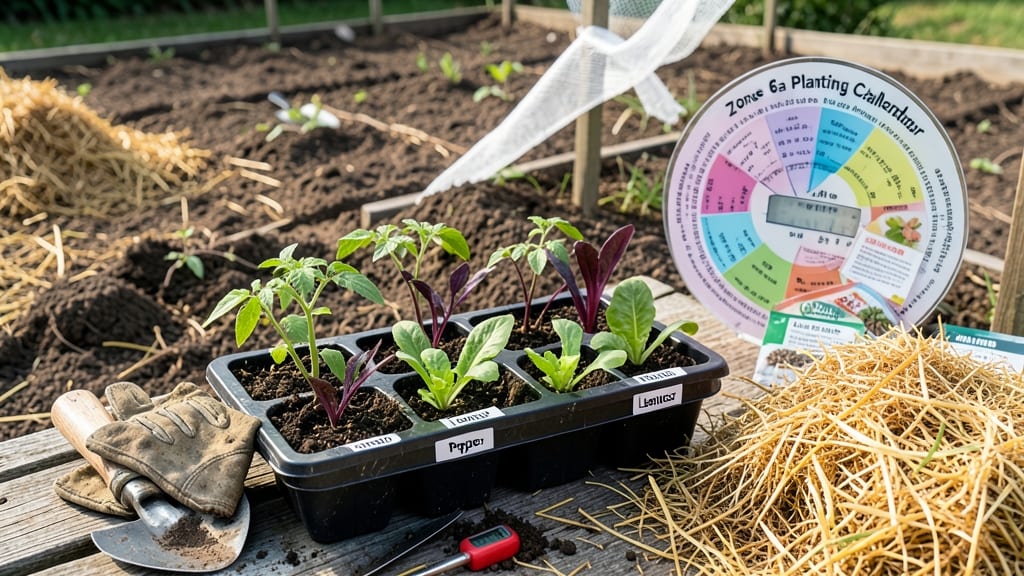
Knowing exactly when to plant in Zone 6a can mean the difference between a thriving garden and wasted effort. With last frost dates typically landing around April 15, timing is everything—plant too early, and frost will zap your seedlings; wait too long, and your harvest suffers.
I’ve spent years perfecting the schedule for my own Zone 6a garden, and what I’ve learned will help you avoid common mistakes. Whether you’re growing cool-season crops like lettuce or warm-season favorites like tomatoes, the right timing ensures stronger plants and better yields.
In this guide, I’ll break down the exact planting windows by crop type, including how to adjust for unpredictable weather. You’ll discover when to start seeds indoors, when to transplant outdoors, and how to extend your growing season for maximum harvests.
Ready to transform your garden? Let’s dive into the precise dates and strategies that work in Zone 6a—so you can plant with confidence and watch your 🌱 garden flourish.
Zone 6A last frost dates: exact timing for safe planting by crop type
In Zone 6A, the average last frost date falls between April 15 and May 15, but this can vary by 5-10 days depending on your specific location.
For gardeners, this means cool-season crops like lettuce and peas should hit the soil 4-6 weeks before that date, while warm-season crops like tomatoes and peppers need to wait 2-3 weeks after the last frost. Understanding these windows is critical to avoiding frost damage or missed harvests.
Your first frost in Zone 6A typically arrives around October 15, giving you roughly 150-180 frost-free days to grow. This means fall planting for crops like kale and spinach can start as early as August, with a 6-8 week buffer before the first frost.
Planning ahead ensures your garden thrives year-round, not just in the peak summer months.
Here’s a quick reference for your Zone 6A planting schedule, broken down by crop type to help you time your garden perfectly:
| Crop Type | Planting Window | Notes |
|---|---|---|
| Cool-Season Vegetables | 4-6 weeks before last frost (March) | Lettuce, spinach, peas, broccoli |
| Warm-Season Vegetables | 2-3 weeks after last frost (May) | Tomatoes, peppers, cucumbers, beans |
| Perennials & Shrubs | Early spring (April) or fall (September) | Daylilies, lavender, hydrangeas |
| Fall Crops | 6-8 weeks before first frost (August) | Kale, carrots, radishes, garlic |
| Herbs | Early spring (March) or late summer (July) | Basil, parsley, cilantro (cool-hardy) |
For cool-season crops, like lettuce and spinach, I always start seeds indoors in February to get a jump on the season.
These plants can tolerate light frosts, so planting them 4-6 weeks before your last frost date gives them time to establish roots before the weather warms up. Peas and broccoli are also great early candidates—they thrive in cooler temperatures and can even handle a light frost.
When it comes to warm-season crops, like tomatoes and peppers, patience is key. These plants are frost-sensitive and won’t germinate until the soil temperature reaches at least 60°F. In Zone 6A, this typically means waiting until late April or early May.
I often use row covers or greenhouses to extend the season for these heat-lovers, giving them a head start in slightly warmer conditions.
For perennials and shrubs, timing matters too.
Planting in early spring (April) or fall (September) allows roots to establish before extreme heat or cold sets in. Daylilies and lavender are particularly resilient and can handle a wide range of conditions, making them ideal for Zone 6A gardeners who want low-maintenance plants with long-lasting blooms.
Don’t overlook fall planting—it’s a game-changer for extending your harvest. Crops like kale, carrots, and radishes planted in August can mature before the first frost, giving you fresh produce well into October or November.
I’ve found that garlic planted in fall yields the largest bulbs, so it’s a must for any Zone 6A gardener looking to maximize their space.
Herbs are another category where timing is everything. Cool-hardy herbs like parsley and cilantro can be planted in early spring, while basil and oregano prefer the warmth of late summer.
I often start basil indoors in May and transplant it outside once the soil is consistently warm, ensuring a bountiful harvest all summer long.
Pro tip: Use a frost calendar or local weather alerts to fine-tune your planting dates. Even a 10-day shift in frost dates can mean the difference between a thriving garden and a failed crop.
For example, if your area tends to have late frosts, consider waiting an extra week before planting warm-season crops to avoid damage.
By mastering these Zone 6A planting windows, you’ll not only avoid frost-related setbacks but also create a garden that’s productive from spring to fall. Happy planting! 🌱
How to adjust planting dates in Zone 6A for unpredictable weather patterns
Zone 6A’s spring weather can be as unpredictable as a whimsical breeze. One day it’s 60°F and sunny, the next it’s 32°F with frost. To protect your tender seedlings, I’ve learned to play it smart with adjustable planting strategies that account for Mother Nature’s mood swings.
First, always check your local frost watch alerts. Services like the National Weather Service or apps like PlantNet provide real-time updates. When they forecast below 32°F within 48 hours, cover heat-sensitive plants with frost cloth or move them indoors temporarily.
🌱 5 Proactive Strategies for Zone 6A Planting Success
- 1. Extend with Row Covers – Use frost blankets to protect seedlings 2-3 weeks earlier than your last frost date.
- 2. Start Indoors Early – Begin warm-season crops (tomatoes, peppers) indoors 8-10 weeks before your average last frost.
- 3. Succession Planting – Sow fast-growing crops (lettuce, radishes) every 2 weeks for continuous harvests.
- 4. Microclimate Magic – Plant near south-facing walls or black plastic mulch to warm soil faster.
- 5. Fall Backup Plan – For cool-season crops, sow again in late summer (6-8 weeks before first frost).
Don’t forget about soil temperature—it’s just as critical as air temperature. Use a soil thermometer to ensure it’s at least 60°F before planting warm-season crops. If it’s still chilly, opt for cold-hardy varieties like kale or spinach instead.
For perennials and shrubs, timing matters too. Plant them in early spring (March-April) or fall (September) when the soil is workable but not frozen. Avoid planting when the ground is waterlogged or frozen, as this can stunt root growth.
Lastly, keep a gardening journal to track your local frost dates and planting successes. Over time, you’ll spot patterns—like my neighbor who plants tomatoes on Memorial Day every year because her microclimate stays frost-free by then.
With these adjustments, you’ll turn Zone 6A’s unpredictable weather into an advantage—not a setback. Happy planting! 🌿