
Plants
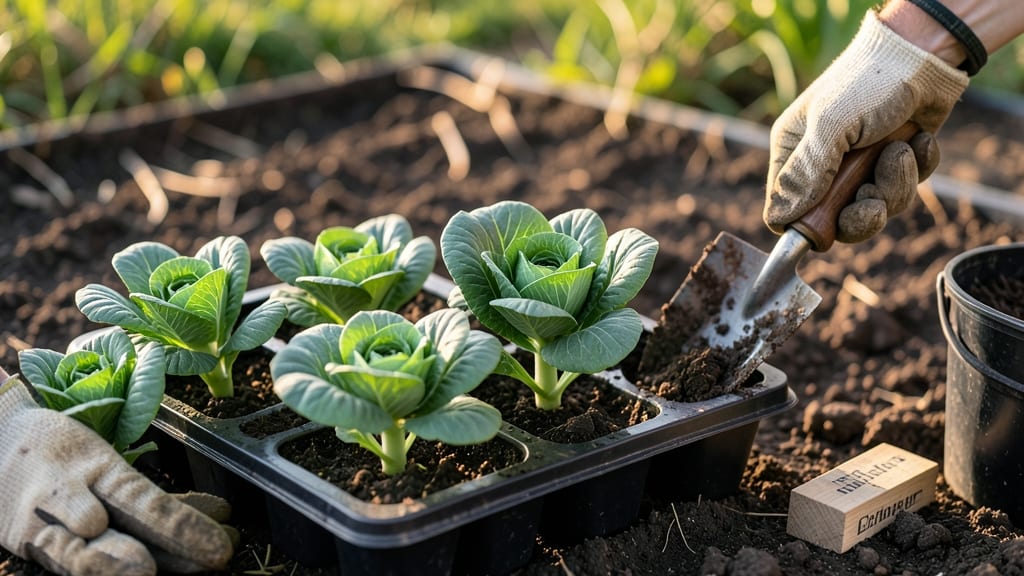
Timing your cabbage planting in California wrong can mean the difference between a lush harvest and bitter disappointment—especially when heat triggers bolting. The key? Understanding your region’s microclimate, whether you’re in coastal fog zones or inland valleys where summer temps soar.
Most gardeners in California plant 🌱 cabbage in fall or early spring to avoid heat stress, but the exact window varies wildly. Coastal areas like San Francisco can start as early as August, while inland spots like Fresno need to wait until October.
I’ll break down the exact start dates for your zone and how to stretch your harvest season.
Bolting isn’t just about heat—it’s also about soil prep, spacing, and choosing the right varieties. Learn how to pick heat-tolerant cabbages like ‘January King’ and when to order seeds for guaranteed success. Let’s get your garden on track for a bumper crop.
Ready to master the art of California cabbage planting? You’ll discover how to time it perfectly, avoid common pitfalls, and even extend your harvest into winter. The secret starts with knowing when—and where—to plant.
California cabbage planting calendar by region: coastal vs inland start dates
California’s diverse climate means your cabbage planting timeline should depend on whether you’re in coastal areas like San Francisco or inland valleys like Sacramento.
Coastal regions enjoy milder winters with less frost risk, while inland zones face hotter summers that can cause bolting—when cabbage flowers prematurely instead of forming heads.
For coastal California (USDA Zones 8-10), your best planting windows are fall (August-September) and early spring (February-March). These cooler months prevent heat stress and give you a head start before summer’s warmth arrives.
Inland areas (Zones 7-9) should focus on late summer (July-August) for fall harvests or winter (November-December) for spring crops.
Here’s how to match your region’s microclimate with the perfect planting schedule:
If you’re in coastal California, prioritize fall planting for a winter harvest. The ocean’s moderating effect keeps soil temps ideal (50-70°F), while spring plantings avoid the June gloom that can stunt growth. For inland growers, July-August starts give heads time to mature before summer’s peak heat arrives.
Pro tip: Use shade cloth (30-50%) for inland plantings in late summer to protect young seedlings from heat stress. This simple trick can extend your growing season by 2-3 weeks and prevent bolting.
For succession planting, stagger your starts every 2-3 weeks to ensure a continuous harvest. For example, if you plant your first batch in early August (coastal) or late July (inland), follow up with additional plantings in September and October.
This method works especially well for heat-tolerant varieties like ‘Red Express’ or ‘Golden Acre’.
Always check your local frost dates—coastal areas rarely see frost, while inland zones (like the Central Valley) can experience light frosts in winter. If you’re planting in winter, use row covers to protect young plants from unexpected cold snaps.
Remember: Soil temperature matters just as much as air temperature. Cabbage thrives when soil stays between 50-75°F. Use a soil thermometer to confirm conditions before planting—especially in spring when inland soils can heat up quickly.
For year-round growing, combine coastal and inland strategies. Plant fall crops in coastal zones and winter crops inland. This dual approach ensures fresh cabbage year-round while minimizing bolting risks.
How to avoid bolting: temperature, spacing, and variety hacks for California growers
Cabbage bolting is every California gardener’s nightmare, and heat stress is the #1 trigger. When soil temps climb above 85°F, your plants will bolt—sending up flower stalks instead of forming heads. The good news? With the right strategies, you can keep your cabbage cool and productive all season.
First, focus on soil temperature, not air temperature. Use a soil thermometer to confirm temps stay below 80°F during the day. In inland areas like Fresno, this means planting in late summer (August-September) when nights cool down.
Coastal gardeners in San Francisco have more flexibility, but even there, avoid planting after June.
🚨 Bolting Warning Signs
- 🌱 Yellowing leaves from bottom up
- ⏰ Rapid stem elongation (3+ inches per week)
- 🌡️ Flower buds forming in head
Action: Immediately mulch with straw or shade cloth to lower soil temp by 10-15°F.
Proper spacing is your second line of defense. Crowded plants compete for air circulation, trapping heat and moisture—perfect conditions for bolting. Space cabbage heads 18-24 inches apart in rows 24-36 inches apart.
This might seem excessive, but it’s worth it to prevent heat buildup. For container gardening, use 5-gallon pots with one plant per container.
Variety selection makes all the difference in California’s climate. Heat-tolerant varieties like ‘Golden Acre’ and ‘Red Express’ can handle 90°F days better than traditional types. For coastal areas, opt for ‘January King’ or ‘Savoy King’, which thrive in cooler, foggy conditions.
Always check seed packets for “heat-tolerant” labels—this simple step can save your harvest.
Shade cloth is a game-changer for summer planting. Use 30-50% shade cloth to block 10-20% of sunlight without stunting growth. Install it before planting to keep soil temps down.
In inland valleys, pair shade cloth with drip irrigation to maintain even moisture—dry soil accelerates bolting. Water deeply in the morning to let foliage dry before evening.
Finally, don’t overlook succession planting. Instead of planting all your cabbage at once, stagger plantings every 2-3 weeks from August through October. This ensures a continuous harvest and spreads out the risk of bolting.
For example, plant half your seeds in late August and the rest in mid-September—this way, you’ll have heads at different stages, with some maturing before summer heat peaks.
With these tricks, you’ll avoid bolting and enjoy crisp, flavorful cabbage all season. The key is cool soil, proper spacing, and smart variety choices—California’s climate is tough, but not impossible to master. 🌿