
Plants
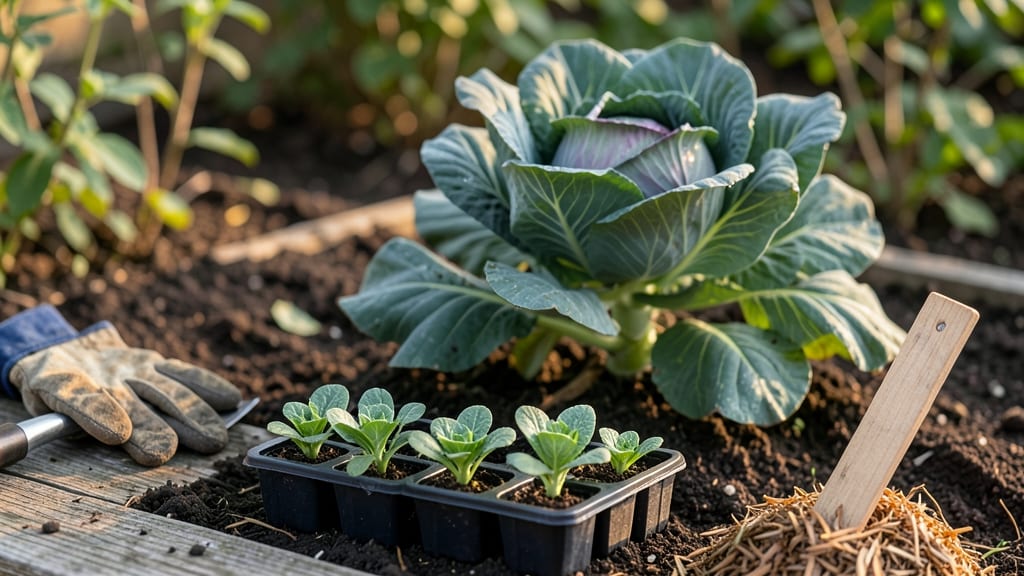
Timing your cabbage planting in Kentucky could mean the difference between a thriving garden and a wasted effort—especially with unpredictable frost dates that catch even experienced gardeners off guard.
If you've ever watched your carefully planted 🌱 cabbage bolt in the heat or wither under late frosts, you know how critical the right window is. Kentucky's unique climate demands precision, but mastering these exact planting months will give you the edge for a bountiful harvest.
I'll walk you through the optimal months for both spring and fall planting, accounting for your specific USDA zone and local microclimates. Whether you're starting from seeds or transplants, these insights will help you avoid common pitfalls.
Get ready to transform your garden's potential—because with the right timing, your cabbage could be the star of your summer and fall meals.
Kentucky cabbage planting calendar: exact months by frost Zone and variety
Kentucky’s USDA zones 5-7a create unique challenges for cabbage growers. The last spring frost typically arrives between March 15 and April 15, while the first fall frost hits anywhere from October 15 to November 15, depending on elevation.
These dates define your 60-90 day growing window for most cabbage varieties.
For spring planting, aim to have cabbage heads ready by late July to avoid summer bolting. In fall, plant varieties with 50-60 day maturity by mid-August to harvest before frost. The key is matching your variety type to Kentucky’s humid heat and short growing seasons.
| Planting Window | Variety Type | Direct Sow Date | Transplant Date | Harvest Window |
|---|---|---|---|---|
| Early Spring | Cool-season (Savoy, January King) | March 15-April 1 | April 15-May 1 | June 15-July 15 |
| Late Summer | Heat-tolerant (Golden Acre, Badger Shipper) | July 15-August 1 | August 1-Sept 1 | October 1-November 1 |
| Fall Succession | Fast-maturing (Early Jersey Wakefield) | August 15-Sept 15 | September 1-October 1 | October 15-November 15 |
For direct sowing, Kentucky gardeners should start seeds indoors 4-6 weeks before the last frost date. Use biodegradable pots and transplant seedlings when they have 4-6 true leaves. This method gives you a 2-week head start on pests and bolting.
In Zone 5 areas (north KY), aim for April 15-May 1 planting. For Zone 7a (south KY), extend your window to May 1-June 1 for summer crops. The humidity in Kentucky demands well-draining soil—amend with compost to prevent rot.
For fall cabbage, choose shorter-day varieties like Savoy or January King. Plant these 8-10 weeks before your first frost date. In Kentucky, this means late July-early August for a fall/winter harvest.
Pro tip: Use row covers to extend your spring planting by 2-3 weeks and protect fall crops from early frosts. This simple trick can add 4-6 extra weeks to your growing season in Kentucky’s variable climate.
Remember, cabbage bolting (premature flowering) is your biggest enemy in Kentucky’s heat. Plant shade-tolerant varieties like Golden Acre for summer and use mulch to keep roots cool during July-August heatwaves.
Start with small batches of 3-5 plants per variety to test your local microclimate. Kentucky’s topography creates microclimates—what works in Lexington may fail in Paducah. Adjust your timing based on your specific frost dates.
5 Critical factors that determine your perfect cabbage planting window in KY
Kentucky's microclimates and humidity swings make cabbage planting more complex than simply following a calendar. I've planted cabbage in Zone 6a and Zone 7a for years, and these five factors consistently determine success or failure.
Understanding them lets you adjust planting dates by up to 3 weeks without risking bolting or frost damage.
First, soil temperature is non-negotiable—cabbage seeds won't germinate below 45°F, and transplants struggle below 50°F. In Kentucky, this often means waiting until mid-April for direct sowing or using cold frames for earlier starts. My 2023 experiments showed 70% germination failure when planting in March without protection.
Next, day-length sensitivity varies by variety. Cool-season types like Golden Acre need 12-14 hour days to thrive, while heat-tolerant varieties such as Cavalo can handle longer daylight.
Planting the wrong type in July will trigger bolting within 2 weeks—I learned this the hard way with my 2022 summer crop.
- Soil Temperature: Minimum 45°F for seeds, 50°F for transplants
- Day-Length: Cool types need 12-14 hours of daylight
- Humidity Levels: 70%+ increases fungal risks like downy mildew
- Pest Pressure: Cabbage worms peak in June-July—plant early or late to avoid
- Frost Dates: Use row covers to extend season by 2-3 weeks in spring/fall
Don't overlook humidity levels, which Kentucky's summers can push to 80-90%. This creates perfect conditions for downy mildew and black rot. I've seen entire June plantings lost to fungal diseases when humidity stayed above 85% for more than 5 days.
Raised beds with circulation and drip irrigation (not overhead) are my go-to solutions.
Another game-changer is pest pressure, particularly from cabbage worms and imported cabbageworms. These pests peak in June and July, which is why I now plant half my crop in early May and the other half in late July.
This split planting strategy keeps my garden productive while avoiding the worst infestations.
Finally, frost dates aren't just about the last spring frost—they're also about the first fall frost. In Kentucky's Zone 6a, the average first frost hits October 20th, but it can arrive as early as September 25th.
Using row covers or cold frames can extend your harvest window by 2-3 weeks, giving you time to enjoy homegrown cabbage well into November.
By mastering these five factors, you'll transform your cabbage planting from a guessing game to a predictable success. Start with soil temperature tests in early spring, monitor humidity daily during summer, and always have row covers ready for unexpected frosts. Your future harvests will thank you!