
Plants
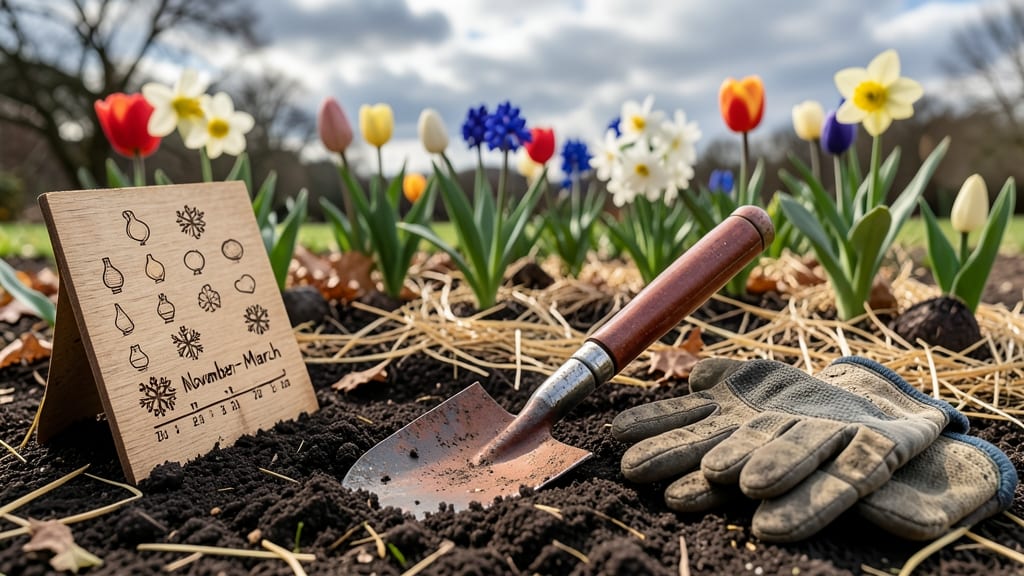
Planting your Spring-Blooming Bulbs (Tulip, Daffodil, Hyacinth, Crocus) 🌷 at the wrong time in New York could mean waiting months for those vibrant blooms—or worse, watching them never emerge. The secret to success lies in timing it just right, before the ground freezes and after the summer heat fades.
Most gardeners in New York’s USDA zones 5a-7b know fall is the prime window, but exactly when? Whether you're in Upstate or NYC, planting too early or too late can throw off your entire garden schedule.
I’ll break down the exact weeks you should aim for, plus how to adjust if your first frost sneaks up earlier than expected.
You’ll also discover why spring planting works for certain bulbs (like crocus) and how to prep your soil for zero-frost success. No more guesswork—just a clear, NY-specific roadmap to get your garden ready for next spring’s showstopper blooms.
Let’s get your Spring-Blooming Bulbs (Tulip, Daffodil, Hyacinth, Crocus) 🌷 planted at the perfect moment so you can enjoy those cheerful colors without the worry. Ready to dig in?
NY fall bulb planting timeline by zone: exact weeks before frost
New York’s USDA zones 5-7 create a tricky balance for bulb planting—too early, and bulbs rot; too late, and they fail to root before winter. The ideal window is 4-6 weeks before ground freezes, but exact timing varies by region.
For zone 5 (Upstate), aim for mid-October, while zone 7 (NYC/Long Island) can stretch until early November. Soil temperature is your best guide: bulbs need 40-50°F soil to root properly.
Most gardeners in NY plant tulips, daffodils, and hyacinths in fall because these bulbs require chilling periods to bloom. Crocus and snowdrops, however, can handle spring planting since they’re more cold-hardy.
The key is to avoid planting when soil temps hover near freezing—this causes bulbs to heave out of the ground or rot.
Here’s how to adjust your timing based on NY’s microclimates:
| Zone | Planting Window | Soil Temp Goal | Bulb Depth (inches) | Notes |
|---|---|---|---|---|
| 5a (Upstate: Albany, Syracuse) | Mid-October (Oct 10-20) | 40-50°F | 6-8 inches | Plant tulips first—they need more chilling. |
| 6a (Capital District, Hudson Valley) | Late October (Oct 20-31) | 45-50°F | 5-7 inches | Add compost to improve drainage in clay soils. |
| 7a (NYC, Long Island) | Early November (Nov 1-15) | 50-55°F | 4-6 inches | Warmer zones can plant later but avoid November 15+. |
Check soil temperature with a soil thermometer—it’s the most accurate way to time planting. If you’re unsure, use the "back of the hand test": press your hand into the soil.
If it feels cool but not freezing, it’s safe to plant. For container gardening, use well-draining pots and plant bulbs 2 weeks earlier than in-ground to account for heat loss.
Don’t forget to mulch after planting with 2-3 inches of straw or shredded leaves. This protects bulbs from temperature swings and keeps soil moist during root establishment. In zone 5, add an extra inch of mulch to insulate against early frosts. Avoid synthetic mulches—they can suffocate bulbs.
Pro tip: Plant daffodils first—their natural toxins deter squirrels and deer, which love tulips. If you’re planting in urban areas with compacted soil, mix in sand or perlite to improve aeration. This is especially critical in NYC’s heavy clay soils, where bulbs can suffocate.
For late fall plantings (after November 15), choose cold-hardy varieties like Allium ‘Purple Sensation’ or Fritillaria meleagris. These tolerate shorter chilling periods and still bloom well. Just be prepared for smaller flowers if planted late.
Water bulbs deeply once planted—this encourages root growth before winter. After that, no additional watering until spring rains return. Overwatering in late fall can lead to rot, especially in zone 7’s wetter microclimates. Let nature take over once bulbs are in the ground.
Mark your calendar for next spring’s deadheading: after blooms fade, leave foliage until it yellows and dies back naturally. This ensures bulbs store enough energy for next year’s flowers. In NY, this usually happens around late May to June, depending on the bulb type.
🌱
Spring planting bulbs in NY: late winter vs early spring rules
If fall planting slips your mind, don’t panic—many cold-hardy bulbs thrive when planted in late winter or early spring in New York. Crocus, snowdrops, and early-blooming tulips can still establish roots before your garden wakes up.
The key? Timing it right to avoid late frosts and wet soil that smothers roots.
Your window opens around mid-March (after the last frost date) and closes by early April in most of NY. Upstate gardeners in zone 5 have a slightly shorter window than NYC’s zone 7 areas.
The goal is to plant 4–6 weeks before your area’s last frost—check your local forecast for precision.
Spring planting requires extra care: amend heavy soil with compost, avoid soggy spots, and protect newly planted bulbs with row covers if late frosts linger. These steps ensure bulbs establish roots before summer heat arrives.
- Timing is Critical
- Soil Prep Matters
- Frost Protection
- Watering Rules
✅ Plant in March–early April (4–6 weeks before last frost).
🌱 Loosen soil 2x bulb depth—add compost for poor soil.
❄️ Use frost cloths if late frosts threaten (common in zone 5).
💧 Water lightly after planting—no deep soaking until shoots appear.
For spring-planted bulbs, focus on fast-rooting varieties like crocus and grape hyacinths. These tolerate cooler soil better than tulips or daffodils. Plant them shallower (4–6 inches deep) since they’ll bloom sooner. Mulch lightly with straw or shredded leaves to retain moisture without smothering roots.
Watch for wet spring conditions, common in NY’s zone 6–7 areas. Soggy soil causes bulb rot—raise beds or plant on slopes if your yard stays muddy. A drainage test (dig a 6-inch hole, fill with water—if it drains in <1 hour, it’s safe) saves bulbs from drowning.
Spring-planted bulbs may not bloom as vigorously as fall-planted ones, but they’ll still reward you with early color. Pair them with annuals like pansies for a pop of color while bulbs establish.
With the right timing and care, your spring garden can burst into bloom—just in time for NY’s first warm days.