
Plants
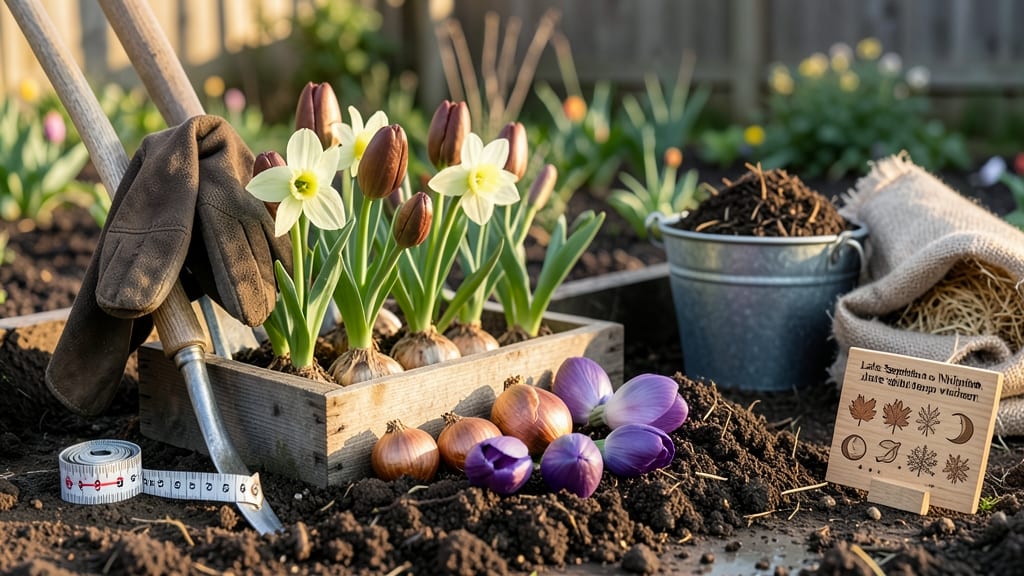
Timing your Spring Flowering Bulbs (e.g., Tulip, Daffodil, Hyacinth) planting in New England isn’t just about luck—it’s about science. Plant too early, and frost might ruin them; too late, and they won’t bloom in time for spring.
The ideal window is narrow but critical, and missing it could mean waiting another year for those vibrant 🌷 displays.
In USDA Zones 5a-6b, fall is the magic season—typically between October and November, when soil temperatures drop but the ground hasn’t frozen yet.
This timing ensures bulbs establish roots before winter’s chill sets in, giving them the head start they need to push through snow and ice come spring.
But here’s the catch: New England’s climate varies wildly from coastal Maine to inland Vermont. A 5-day difference in frost dates can mean the difference between thriving blooms and wasted bulbs.
I’ll break down exactly when to plant by variety, how to adjust for your microclimate, and what to watch for to guarantee success—no guesswork required.
Ready to transform your garden into a springtime spectacle? Let’s dive into the best months to plant, the top varieties that thrive here, and how to outsmart New England’s unpredictable weather. Your future self will thank you when those first 🌷 peeks through the snow.
New England bulb planting calendar: month-by-month guide by hardiness zones
New England’s USDA Zones 3-7 create a tricky timeline for bulb planting—coastal areas like Portland, Maine freeze earlier than inland spots like Hartford, Connecticut. The golden rule? Plant when soil temps hit 60°F and 6-8 weeks before first frost.
For most of New England, that’s October for spring bloomers and late summer for summer bulbs.
Fall-planted bulbs like tulips and daffodils need cold stratification to bloom reliably. If you’re in Zone 4 or colder, aim for early October planting. Warmer Zone 6-7 areas can wait until mid-November, but don’t delay past Thanksgiving—frost will kill tender roots.
Summer bulbs like dahlias go in after soil warms in May-June.
Here’s your New England bulb planting calendar, adjusted for coastal vs. inland frost dates:
Pro tip: Use a soil thermometer to confirm temps—60°F soil is ideal for planting. If your area had an early frost last year, shift planting 2 weeks earlier.
For example, Zone 5 Boston gardeners should plant by October 15, while Zone 6 Providence can wait until November 1.
Layering bulbs is another trick for extended blooms. Plant tall bulbs (tulips) first, then medium (daffodils), and finally short (crocuses) on top. This creates a staggered bloom effect from early spring to late summer. Just ensure each layer gets 6-8 inches of soil coverage to protect roots.
For coastal gardeners, watch for microclimates. A south-facing slope warms faster than a north-facing yard. If your garden sits in a frost pocket, plant bulbs 2 weeks earlier than the general calendar suggests.
Conversely, urban heat islands may delay frost—adjust planting 1-2 weeks later if your area stays warmer.
Don’t forget to amend your soil before planting. Mix in compost or bulb-specific fertilizer to ensure roots establish before winter. In sandy soils (common in Maine and New Hampshire), add peat moss to retain moisture. In clay-heavy soils (like Massachusetts), work in perlite for drainage.
Mark your calendar for late winter bulb checks. In February-March, gently dig up tender bulbs (like dahlias) and store them in sand or peat moss indoors. For hardy bulbs, simply mulch heavily with straw or leaves to insulate against freeze-thaw cycles.
Timing isn’t just about months—it’s about soil conditions. Wait until soil is cool but workable (not soggy). A simple
New England bulb planting calendar: month-by-month guide by hardiness zones
New England’s USDA Zones 3-7 create a tricky puzzle for bulb planting—coastal areas freeze earlier than inland spots, while valleys hold warmth longer. The key? Planting 6-8 weeks before your first hard frost, typically between mid-September and mid-November.
For Zone 3 (Maine, Vermont), aim for late September to early October, while Zone 6-7 (Connecticut, Rhode Island) gardeners can wait until October-November. Always check your local frost date averages—they’re your planting deadline!
Spring-flowering bulbs like tulips and daffodils need cold stratification to bloom, so fall planting is non-negotiable. Summer bulbs (like dahlias and cannas) go in after the last frost, usually late May to June.
And don’t forget fall-blooming crocuses—they thrive when planted in September-October for winter color. Timing isn’t just about months; it’s about soil temperature (aim for 60°F or below) and moisture levels.
| Bulb Type | Best Planting Window | Zone 3-4 (Maine, NH, VT) | Zone 5-6 (MA, RI, CT) | Zone 6-7 (Coastal) |
|---|---|---|---|---|
| Tulips | Fall (6-8 weeks before frost) | Late Sept–Oct 15 | Oct 1–Nov 1 | Oct 15–Nov 15 |
| Daffodils | Fall (6-8 weeks before frost) | Sept 15–Oct 30 | Oct 1–Nov 15 | Nov 1–Dec 1 |
| Hyacinths | Fall (6-8 weeks before frost) | Sept 1–Oct 10 | Sept 15–Oct 30 | Oct 1–Nov 15 |
| Crocuses | Fall (Sept–Oct) | Sept 1–Oct 15 | Sept 15–Oct 30 | Oct 1–Nov 1 |
| Dahlias | Spring (after last frost) | Late May–June | May 15–June 15 | May 1–June 1 |
🌱 Pro Tip: Coastal areas freeze 2-4 weeks earlier than inland—adjust dates accordingly!
Microclimates throw another wrench into timing. A south-facing slope stays warmer, delaying frost by 1-2 weeks, while a low-lying area may freeze earlier. Use mulch (straw or leaves) to insulate bulbs if winter arrives early.
And if you’re in Zone 3, opt for early-blooming varieties like ‘Sentinel’ tulips or ‘February Gold’ daffodils—they handle shorter growing seasons better.
Don’t stress if your timing is off by a week or two. Bulbs are forgiving, but planting too early risks rot, while planting too late may delay blooms. For a foolproof approach, use a soil thermometer—bulbs should go in when soil temps hit 60°F or below.
In Zone 6-7, you can even plant late-November bulbs as long as the ground isn’t frozen solid. Just cover them with 12+ inches of mulch for extra protection.
Layering bulbs is another New England hack for extending blooms. Plant early bloomers (crocuses) in September, followed by mid-season (tulips) in October, and late bloomers (alliums) in November. This creates a 3-month spring display—perfect for our short growing season!
Just remember: deeper = earlier bloom. Plant tall bulbs (tulips) deeper (6") and shorter bulbs (crocuses) shallower (3").
Finally, mark your calendar for next year’s adjustments. If your daffodils bloom in April but tulips wait until May, you might need to plant tulips 2 weeks earlier next fall.
And if you’re in Zone 3, consider pre-chilling bulbs indoors for 8-10 weeks before planting to mimic winter conditions. With these tweaks, you’ll have vibrant blooms year after year, no matter how unpredictable New England’s weather gets! 🌷