
Plants
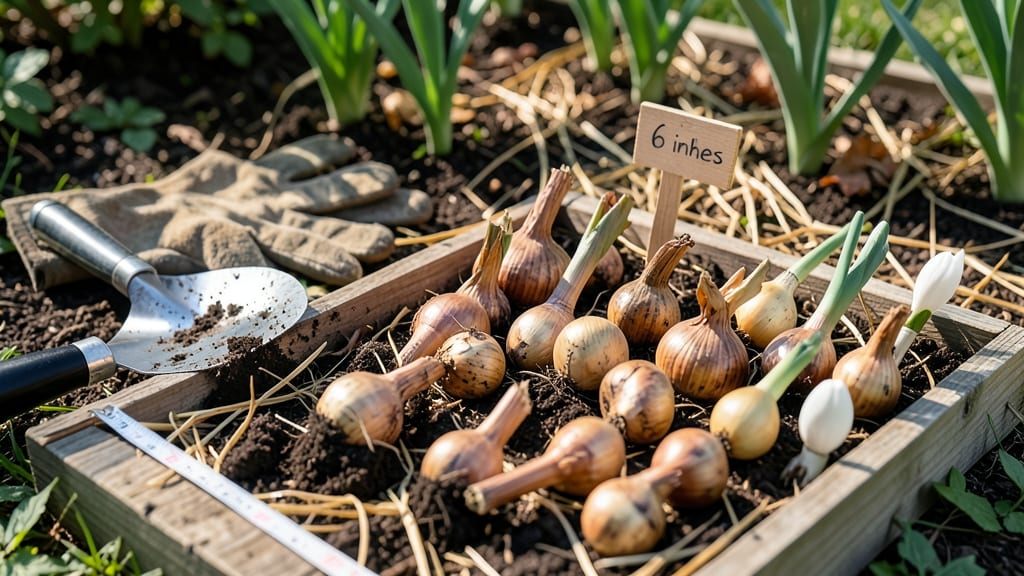
Timing your when to plant bulbs in NJ could mean the difference between a showstopping spring garden and a missed opportunity—especially with New Jersey’s tricky frost dates that shift from north to south.
I’ve seen gardeners in Zone 6b rush planting in early October only to watch their bulbs rot before winter, while those in Zone 7a near the coast wait too long and end up with sparse blooms. The key?
Understanding your microclimate and planting 4-6 weeks before the ground freezes—usually between mid-October and mid-November.
Here’s the secret most NJ gardeners overlook: coastal areas like Cape May often have 2-3 weeks later frost dates than inland spots like Newark. That means your neighbor’s perfect timing might be all wrong for your yard.
I’ll walk you through exactly how to adjust your schedule based on your specific corner of New Jersey, plus the 3 biggest mistakes that kill bulb success before they even sprout.
Let’s start with the basics: why fall planting is non-negotiable for spring-flowering bulbs like tulips and daffodils. These 🌷 beauties need time to establish roots in cool soil before winter dormancy—something they can’t do if you plant too late.
I’ll break down the ideal windows for each bulb type, plus how to tell if your soil’s ready (hint: it’s not just about the calendar).
Ready to avoid the frustration of wasted bulbs and get that dream garden? By the end of this guide, you’ll know exactly when to dig, how deep to plant, and which companion plants will make your NJ garden burst with color year after year—without guessing. Let’s get started.
Best planting months for spring vs. fall bulbs in NJ’s climate
New Jersey’s USDA Zones 6b-7a create a unique challenge for bulb gardeners, where first frosts can arrive as early as mid-October in northern regions but linger until November 15 in coastal areas.
Getting the timing right ensures your tulips, daffodils, and hyacinths establish roots before winter dormancy—critical for vibrant spring blooms.
Most spring-flowering bulbs (like tulips and daffodils) need to be planted in fall, while fall-blooming varieties (such as crocuses) go in early spring. The key is aligning planting with soil temperatures (ideal: 50–60°F) and frost-free windows—a delicate balance in NJ’s variable climate.
Here’s your NJ-specific planting timeline, broken down by bulb type and region:
| Bulb Type | Ideal Planting Window (NJ Zones 6b-7a) | Depth (inches) | Spacing (inches) | Key Pro Tips |
|---|---|---|---|---|
| Tulips | October 15–November 15 (Zone 6b) / November 1–20 (Zone 7a) | 6–8 | 4–6 | Plant double-depth in sandy soil; fertilize after blooming. |
| Daffodils | October 1–November 15 (all zones) | 6–8 | 4–6 | Deer-resistant; plant in well-draining spots to prevent rot. |
| Hyacinths | October 15–November 10 (Zone 6b) / November 1–15 (Zone 7a) | 6–8 | 5–6 | Plant clumps for fragrance; avoid wet soil. |
| Crocuses | September 15–October 15 (fall-blooming) / March 1–15 (spring-blooming) | 3–4 | 3–4 | Perfect for early spring color; naturalize easily. |
| Alliums | October 1–November 15 (all zones) | 6–8 | 6–8 | Drought-tolerant; attracts pollinators. |
For coastal NJ gardeners (e.g., Cape May, Atlantic City), aim for the later end of these windows—your Zone 7a climate often delays first frosts by 2–3 weeks compared to inland areas. Use a soil thermometer to confirm temps are below 60°F before planting.
If you miss the fall window, spring planting is possible for hardy bulbs like daffodils and crocuses, but expect smaller blooms the first year. Prioritize well-draining soil mixed with compost—NJ’s clay-heavy soils can suffocate bulbs if not amended.
Pro tip: Mark your planting calendar with NJ’s average frost dates (use the National Weather Service for local adjustments) and set reminders for October 15—the sweet spot for most spring bulbs in Zone 6b. 🌱
How to adjust planting for NJ’s unpredictable frost patterns
New Jersey’s climate throws curveballs with its unpredictable frost dates, especially when you’re comparing coastal areas (Zone 7a) to inland regions (Zone 6b). A late October freeze in the north might catch you off guard, while southern shore gardeners could still be planting in early November.
The key? Flexibility and soil temperature awareness.
I always check my soil thermometer before planting—aim for 50–60°F soil temps. If your thermometer reads below 50°F, wait. Cold soil can cause bulbs to rot before they establish roots.
For Zone 6b gardeners, this usually means planting by mid-October, while Zone 7a gardeners often have a 2–3 week buffer.
🚨 Visual Element: Callout Warning 🚨
⚠️ Watch Out for These Mistakes
- Planting too early (before soil temps drop below 50°F) risks rot.
- Late fall planting (after Dec 1) may not establish roots before winter.
- Coastal NJ gardeners: Wait 2–3 weeks longer than inland zones for spring bulbs.
If an early frost sneaks in, don’t panic. I’ve used mulch (straw or shredded leaves) to insulate planted bulbs, adding an extra layer of protection.
For high-risk areas, like northern NJ, I recommend planting daffodils and alliums—they’re the toughest bulbs and handle cold snaps better than tulips or hyacinths.
Another trick? Plant a backup batch in containers if your ground freezes early. This way, you can move them to a sheltered spot or even indoors until conditions improve. Just
For spring-planted bulbs (like summer-flowering dahlias), wait until after the last frost—typically mid-April to early May in NJ. Use a frost calendar like the one from the NJ State Agricultural Experiment Station to track local trends.
Pro tip: Mark your calendar for October 15th as your final deadline for most bulbs in Zone 6b. In Zone 7a, you might squeeze in a late planting until November 1st. When in doubt, plant deeper (6 inches for most bulbs) to add extra insulation against early frosts.