
Plants
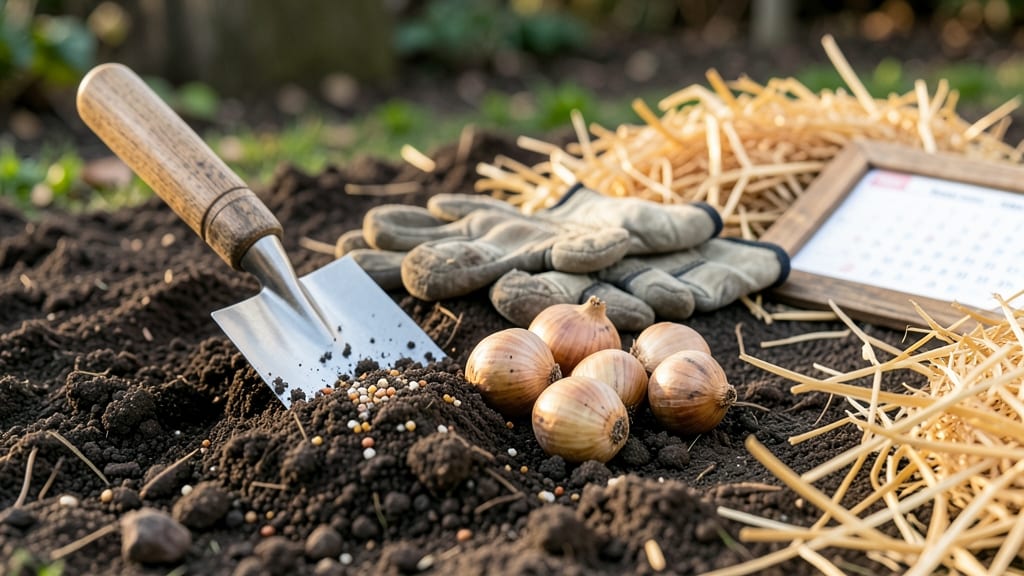
Planting tulips in Tennessee at the wrong time means weak blooms or bulbs lost to frost—so timing is everything for those 🌷 spring showstoppers. Whether you're in Nashville's urban heat pockets or Knoxville's cooler hills, getting the months right ensures vibrant flowers next April.
The key window for Tennessee gardeners in zones 6a-7b is October through November, when soil temps drop but frost hasn't arrived yet. This 6-8 week period gives bulbs time to root before winter dormancy—critical for hardy growth in our variable climate.
I'll break down exactly when to plant based on your specific zone, plus how to adjust for late freezes or early springs. You'll learn the 3 critical signs your tulips are ready for the ground and how to protect them if winter arrives early.
By the end, you'll know not just when to plant, but why it matters—and how to give your tulips the perfect Tennessee start for showstopping blooms every spring.
Tennessee tulip planting calendar by hardiness zone (exact months revealed)
Tennessee’s USDA zones 6a-7b create a narrow window for planting tulip bulbs—typically October through November. But timing isn’t one-size-fits-all: Zone 6a gardeners in the eastern mountains have 2-3 weeks earlier to plant than those in Zone 7b along the Mississippi border.
The key? Plant when soil temps drop to 50-60°F—about 4-6 weeks before first frost.
Missed the ideal window? You can still plant in early December, but bulbs may not root deeply enough for robust blooms next spring. For late-summer blooming tulips (like Darwin Hybrids), push planting to late November—they need extra time to establish roots before summer heat arrives.
Here’s the visual breakdown of your exact planting window by zone, including soil temp targets and frost dates to guide your schedule:
| Zone | Ideal Planting Window | Soil Temp Target | First Frost Date | Notes |
|---|---|---|---|---|
| 6a (East TN) | Mid-October to early November | 50-60°F | Mid-October | Mountain areas freeze earlier; prioritize early planting. |
| 6b (Middle TN) | Late October to mid-November | 50-60°F | Late October | Nashville’s urban heat island delays frost by 1-2 weeks. |
| 7a (West TN) | Late October to early December | 55-65°F | Early November | Warmer microclimates allow later planting. |
| 7b (Far West TN) | November only | 55-65°F | Mid-November | Plant by November 15th for best results. |
Pro tip: Use a soil thermometer to confirm temps—60°F is the sweet spot for root growth. If your soil stays above 60°F past November, wait until temps drop naturally to avoid rot.
For container gardening, plant tulips in October regardless of zone—they’ll bloom earlier in pots due to faster soil cooling. Just ensure containers have drainage holes to prevent waterlogging during Tennessee’s winter rains.
Ever wonder why some tulips bloom better than others? It’s often about planting depth. In Tennessee’s clay-heavy soils, dig 8 inches deep for standard tulips (dwarf varieties need only 6 inches). This protects bulbs from voles and freeze-thaw cycles that can heave them out of the ground.
Don’t overlook mulching after planting! Apply 3-4 inches of straw or shredded leaves to insulate bulbs from temperature swings. In Zone 6a, this can mean the difference between frost damage and vibrant blooms next spring.
Late bloomers like Parrot tulips or Fosteriana varieties need extra chill hours. If you’re in Zone 7b, plant these by November 1st to ensure they get enough 40-50°F cold snaps for proper dormancy.
Remember: Tulips planted after December 1st in Tennessee rarely produce full-size blooms. The roots simply don’t have enough time to establish before spring growth begins. For reliable results, stick to the October-November window.
5 Critical factors that determine perfect tulip planting timing in Tennessee
Planting tulips in Tennessee isn’t just about picking a month—it’s about understanding soil temperature, frost dates, and bulb freshness. Each factor shifts your ideal window by weeks, especially in zones 6a-7b. Let’s break down what truly matters for zero-frost blooms.
First, soil temperature is your #1 guide. Tulip bulbs need 40-50°F soil to root before winter. In Tennessee, this usually happens in late October for most areas, but rural zones (7a-7b) can wait until early November. Use a soil thermometer to confirm—planting too early in warm soil risks rot.
Frost dates are next. Tennessee’s first frost typically hits mid-October in the mountains (zone 6a) but can linger until late November in Nashville’s urban heat islands. Aim to plant 4-6 weeks before your average first frost. For example, Knoxville gardeners should plant by October 15, while Chattanooga’s window extends to November 1.
Don’t overlook bulb freshness. Older bulbs (over 2 years) may not bloom well. Buy certified disease-free bulbs from reputable nurseries in August-September and store them in a cool, dark place (like a garage) until planting. Fresh bulbs = stronger roots = bigger blooms next spring.
Local weather patterns can throw off your timing. Check the National Weather Service’s frost predictions for your county. If forecasters warn of an early freeze, plant 2 weeks sooner. Conversely, if your fall stays unusually warm, delay until soil cools to 50°F or below.
Finally, microclimates matter. Urban areas like Nashville stay 5-10°F warmer than rural zones due to concrete and buildings. This can push planting dates 1-2 weeks later compared to nearby farms. Observe your yard’s frost patterns for 2-3 years to fine-tune your schedule.
Pro tip: Mark your planting date on a calendar and set a reminder. Tennessee’s tulip season is short—get it right, and you’ll reward yourself with bold spring blooms that last for weeks! 🌷
🌱 Critical Factors for Perfect Timing
- 🌡️ Soil Temperature: Plant when soil hits 40-50°F (usually late October)
- ❄️ Frost Dates: Aim for 4-6 weeks before first frost (varies by zone)
- 🌱 Bulb Freshness: Use 1-year-old bulbs for best blooms
- ☁️ Weather Patterns: Check NWS frost predictions for adjustments
- 🏙️ Microclimates: Urban areas stay warmer—delay planting by 1-2 weeks
For example, if you’re in zone 6a (eastern TN), your window is October 1-15. But in zone 7b (Memphis), you can plant until November 15. Miss the window, and your bulbs may sprout too early, getting fried by winter frost. Timing is everything!
Now that you know the critical factors, your next step is choosing the perfect location in your garden. Full sun (6+ hours) is non-negotiable, but well-draining soil is just as important. Avoid low spots where water pools—tulips hate soggy roots! 💧