
Flowers
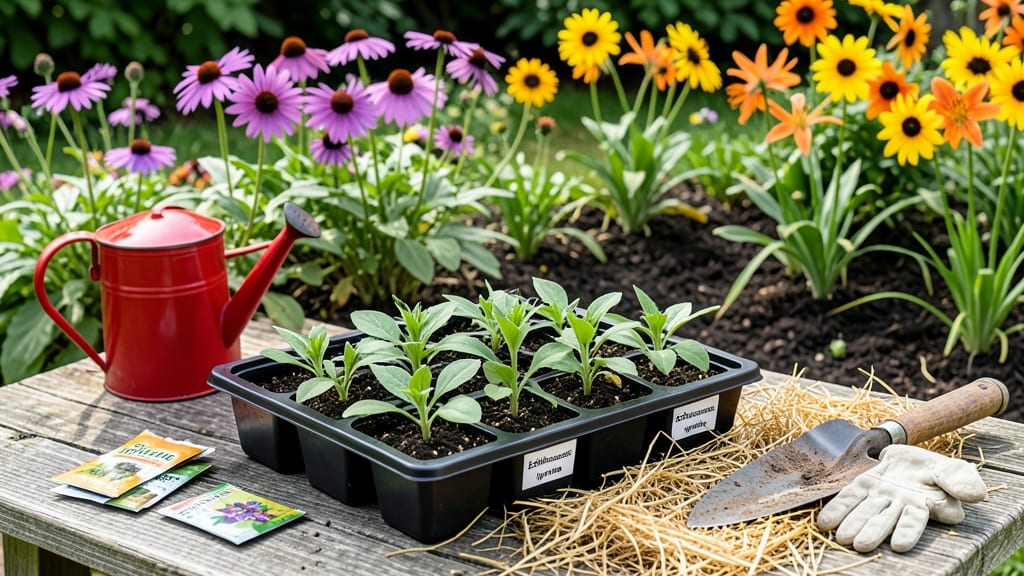
Timing is everything when it comes to planting Flowers in New England—get it wrong, and you might end up with frost-nipped buds or missed bloom seasons. The key isn’t just knowing the calendar but understanding your local frost dates and how they impact different varieties.
Whether you’re dreaming of vibrant 🌸 daffodils in spring or bold black-eyed Susans in summer, planting at the right time ensures your garden thrives.
New England’s 5b-6b zones bring unique challenges, from early spring frosts to late-summer heatwaves. The last frost can arrive as early as mid-April in coastal areas or linger until early May inland, making a clear strategy essential.
Annuals, perennials, and bulbs all have their own ideal windows—some need to go in the ground as soon as the soil warms to 50°F, while others wait until all danger of frost has passed.
I’ve spent years perfecting the timing for my own garden, and the difference between a struggling patch of blooms and a lush, long-lasting display comes down to these exact moments.
In this guide, I’ll break down the best months for each flower type, how to adjust for unpredictable weather, and which varieties thrive best in New England’s climate. Let’s get your garden blooming beautifully—and on schedule.
From early-spring bulbs to late-summer annuals, you’ll learn how to align your planting with New England’s unpredictable seasons. Whether you’re a first-time gardener or a seasoned pro, these tips will help you avoid common mistakes and maximize your garden’s potential.
Ready to turn your flower dreams into reality? Let’s dive in.
New England frost dates & best planting months by flower type
New England’s USDA Zones 5b-7a create a unique gardening challenge. The last frost date varies dramatically—from mid-April in coastal Maine to early May in inland Vermont. Meanwhile, the first frost arrives between mid-October and early November, leaving just 165 frost-free days for most flowers.
Timing is everything, so let’s break down the perfect planting windows for each flower type to maximize your blooms.
For spring-blooming bulbs like daffodils and tulips, you’ll want to plant them in October or November—before the ground freezes. These hardy beauties can handle winter cold and reward you with vibrant color as soon as April or May.
Meanwhile, perennial flowers like coneflowers and black-eyed Susans should go into the ground after your last frost date, typically in late May or early June, once soil temperatures hit 50°F or warmer.
| Flower Type | Best Planting Month | Notes |
|---|---|---|
| Spring Bulbs (Daffodils, Tulips) | October–November | Plant 6–8 weeks before frost; blooms in April–May. |
| Perennials (Coneflowers, Daylilies) | Late May–Early June | Wait for last frost; thrives in full sun. |
| Annuals (Petunias, Marigolds) | Mid-May–June (after frost) | Start indoors 6–8 weeks before last frost. |
| Tender Flowers (Dahlias, Impatiens) | Late June–July | Wait until soil is warm; use row covers for frost protection. |
| Fall Mums (Chrysanthemums) | July–August | Plant 8–10 weeks before first frost for fall color. |
If you’re planting annual flowers like petunias or marigolds, start seeds indoors 6–8 weeks before your last frost date. For most of New England, that means late March or early April.
Transplant seedlings outdoors only after the soil warms to 50°F and nighttime temperatures stay above 50°F consistently. This usually aligns with mid-May to early June, depending on your location.
Tender flowers like dahlias and impatiens are the most finicky. These heat-loving plants need to wait until late June or July to go into the ground, after the soil has had time to warm up. In coastal areas, you might get away with planting them a week or two earlier, but inland regions often need to wait until after July 4th to avoid frost damage.
For fall-blooming flowers, like chrysanthemums (mums), the key is planting them 8–10 weeks before your first frost. In most of New England, that means late July or early August.
Mums thrive in cooler temperatures and will reward you with vibrant color right up until October or November, just before the first frost hits.
Don’t forget about microclimates! Coastal areas like Portland, Maine, and Providence, Rhode Island, tend to have earlier last frosts (sometimes as early as mid-April) and later first frosts (into November).
In contrast, inland cities like Burlington, Vermont, or Concord, New Hampshire, can have 2–3 weeks later frost dates. Always check your local USDA Plant Hardiness Zone and average frost dates to fine-tune your planting schedule.
Pro tip: Use a frost date calculator or check your local Cooperative Extension Service for the most accurate timing. For example, Boston’s last frost is typically around April 15th, while Burlington’s is closer to May 1st.
Adjust your planting dates accordingly to avoid frost damage and ensure your flowers have enough time to establish roots and bloom.
By following these region-specific planting windows, you’ll transform your New England garden into a year-round blooming paradise, from early spring daffodils to late fall mums. The secret? Know your frost dates and plant at the right time for each flower type. 🌸
How to adjust planting timing for New England’s unpredictable weather
New England’s whiplash weather can leave even experienced gardeners scrambling—late frosts in May and unexpected heatwaves in June make timing everything. The key? Flexible strategies that protect your flowers while maximizing their bloom potential.
I’ve planted petunias and dahlias in this region for years, and these adjustments have saved my garden from disaster every time.
Start by hardening off seedlings 7–10 days before transplanting outdoors. This gradual exposure to cool nighttime temps (down to 40°F) toughens young plants, preventing shock when moved to the garden.
For frost-sensitive annuals like impatiens or geraniums, wait until soil temps consistently stay above 55°F—use a soil thermometer to track this.
🚨 CRITICAL WARNING: Never rely on calendar dates alone. In USDA Zone 5b (e.g., Burlington, VT), the last frost can hit May 15th, while Zone 6b (e.g., Portland, ME) might see frost-free conditions by May 1st.
Check your local National Weather Service frost predictions weekly, and have row covers ready to toss over plants if a 50°F dip is forecasted.
⚠️ Late Frost Risk Assessment
High-Risk Plants: Petunias, geraniums, marigolds, and tender perennials like cannas or dahlias need row covers or a cold frame if frost threatens after planting.
Moderate Risk: Pansies, snapdragons, and cool-season annuals can handle light frosts (28–32°F) but may bolt or yellow if stressed.
Low Risk: Perennials like coneflowers, black-eyed Susans, and bulbs (daffodils, tulips) planted in fall or early spring are frost-proof once established.
For summer-blooming annuals, extend your season with successive planting. Sow fast-growing varieties like zinnias or cosmos every 2–3 weeks from late May through July. This ensures continuous blooms even if early plantings get heat-stressed or pest-ridden.
Pair them with slow-to-germinate perennials like daylilies, which you can plant in late spring and still get summer color.
Heatwaves are another New England wildcard. If temps soar above 85°F, mulch heavily (3–4 inches of straw or shredded leaves) to keep roots cool. Water deeply in the early morning to reduce evaporative stress, and avoid overhead sprinklers, which can scorch petals.
For container gardens, move pots to shadier spots and add hydrogel crystals to retain moisture.
Finally, choose the right varieties for your microclimate.
Coastal areas (e.g., Maine or Massachusetts) have cooler, humid summers, while inland zones (e.g., Vermont or New Hampshire) experience hotter, drier conditions. Drought-tolerant annuals like lantana or verbena thrive inland, while moisture-loving varieties such as impatiens or begonias excel near the coast.
Always check seed packets for "heat-tolerant" or "drought-resistant" labels.
With these adjustments, you’ll turn New England’s unpredictable weather into an advantage—longer bloom seasons, hardier plants, and zero wasted effort. Start small, track what works, and soon you’ll have a foolproof system for your garden. 🌿