
Plants
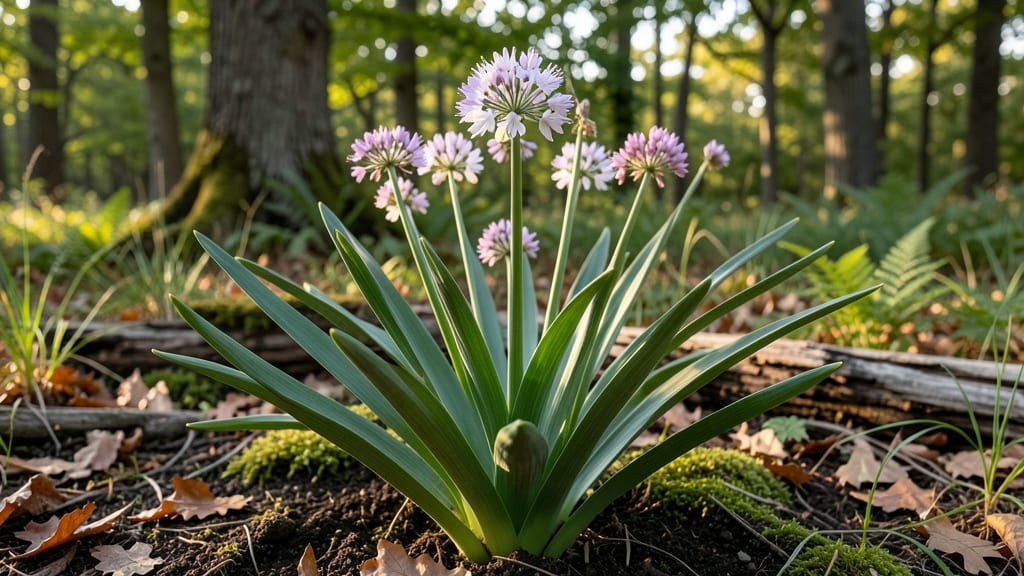
If you’ve ever wondered why your 🌷 Spring-Blooming Bulbs (e.g., Tulips, Daffodils, Hyacinths) in Maine either bloom too early or never sprout at all, the answer lies in timing—specifically, when to plant them.
Maine’s chilly winters and unpredictable frost dates turn bulb planting into a delicate balance, but getting it right means vibrant blooms that brighten your garden from April to June.
The key to success isn’t just picking a random fall or spring month—it’s matching your bulbs to Maine’s USDA Zones 5b-6a and understanding how chill hours trigger growth. Plant too early, and frost will damage tender roots; too late, and your bulbs may not get enough cold to bloom.
I’ll break down the exact windows—September to October for fall planting and March to April for spring—and how to adjust for coastal vs. inland microclimates.
You’ll also discover how to prep your soil for Maine’s rocky terrain, protect bulbs from early frosts, and even extend your planting season with simple hacks.
Whether you’re a first-time gardener or a seasoned pro, these insights will help you avoid common mistakes and ensure your bulbs thrive year after year.
Ready to transform your garden? Let’s dive into the science—and the secrets—behind planting bulbs in Maine’s unique climate.
Maine’s chill-hour zones: how cold requirements dictate planting months
Maine’s chill-hour zones (USDA Zones 3-7) determine which bulbs thrive in your yard. Unlike milder climates, cold exposure is essential for bulbs to bloom. For example, tulips and daffodils need 1,000–1,500 chill hours (below 45°F), while hyacinths require 1,500–2,000 hours.
Most of Maine falls in Zone 4-5, where these chill-hour ranges align perfectly.
In northern Maine (Zone 3), bulbs like alliums and crocuses (with 2,000+ chill hours) perform best. Meanwhile, Zone 6 (southern Maine) can handle fritillaries and grape hyacinths, which need fewer chill hours (800–1,200).
Matching bulbs to your zone ensures they’ll break dormancy at the right time—no wasted energy or failed blooms.
Here’s the key: Spring-flowering bulbs (like tulips) are planted in fall to establish roots before winter, while fall-blooming bulbs (like crocuses) go in late summer. Maine’s short growing season means timing is everything—plant too early, and roots rot; too late, and bulbs won’t harden off for winter.
Don’t overlook microclimates. Coastal areas (like Bar Harbor) may have milder winters (fewer chill hours), while inland spots (like Bangor) get colder. Use UMaine Extension’s chill-hour map to pinpoint your exact needs.
For instance, Zone 4 gardeners should prioritize daffodils and alliums, while Zone 5 can add tulips and hyacinths without risk.
Pro tip: Pre-chill bulbs if you’re in a warmer microclimate. Store them in your crisper drawer (35–40°F) for 6–8 weeks before planting to mimic winter conditions. This trick works wonders for Zone 5-6 gardeners pushing the limits with tulips.
Now, let’s break down the chill-hour requirements for Maine’s most popular bulbs in this quick-reference table:
🌱 Maine Bulb Chill-Hour Guide
| Bulb Type | Chill-Hour Range | Best Maine Zones | Planting Window |
|---|---|---|---|
| Daffodils (Narcissus) | 800–1,500 | 3–6 | Sep–Oct (fall) |
| Tulips | 1,000–1,500 | 4–6 | Sep–Oct (fall) |
| Hyacinths | 1,500–2,000 | 3–5 | Sep–Oct (fall) |
| Alliums | 2,000+ | 3–4 | Aug–Sep (late summer) |
| Crocuses | 1,200–1,800 | 4–6 | Aug–Sep (fall) |
💡 Note: Adjust planting dates by 2–3 weeks for coastal vs. inland microclimates.
Understanding your chill-hour zone is the first step to zero-frost success. Next, we’ll dive into the exact planting windows for Maine, including month-by-month frost risk analysis to help you avoid common mistakes like planting tulips too late in November.
For now, remember: Cooler zones = more chill hours needed. If you’re in Zone 3, stick to hardy bulbs like alliums. In Zone 5-6, you’ve got flexibility for tulips, daffodils, and hyacinths.
Plant with confidence knowing your bulbs are matched to Maine’s unique climate quirks.
The exact planting window in Maine: month-by-month frost risk analysis
Maine’s frost dates shift dramatically between coastal and inland regions, making precise planting windows essential for bulb success. In Zone 5b-6a (most of Maine), your last frost typically arrives by May 15, while the first frost often hits around October 15.
This 5-month window creates a narrow but critical period for planting—especially for fall-planted bulbs like tulips and daffodils, which need 6-8 weeks of soil chilling before winter.
For spring-flowering bulbs, the sweet spot is September through mid-October. Planting too late (after November 15) risks bulbs sprouting before the ground freezes, leading to frost damage or rot.
Coastal areas like Portland or Bar Harbor may have 2-3 extra weeks of planting time due to milder microclimates, while inland zones like Presque Isle demand earlier planting to avoid early frosts.
📅 Maine Bulb Planting Timeline
- September 1-15: Ideal for tulips, hyacinths—soil temps still warm enough for root establishment.
- September 16-October 15: Perfect for daffodils, alliums—cooler nights signal bulbs to harden off.
- October 16-November 1: Last chance for Zone 5b; use frost blankets if needed.
- March 15-April 15: Spring replanting for missed fall bulbs (e.g., crocuses in containers).
If you’re in Zone 3 (northern Maine), shift your timeline 2-3 weeks earlier. For example, Portland gardeners might plant tulips until October 31, while Aroostook County should finish by October 1.
Always check UMaine Extension’s frost maps for real-time updates—last year’s data can vary by 10-14 days due to climate shifts.
Pro tip: Use a soil thermometer to confirm ground temps are below 50°F before mulching. Bulbs planted in warmer-than-average autumns (like 2023) may need extra mulch (4-6 inches) to trigger dormancy. Skip the mulch too soon, and you risk premature sprouting—a common mistake in Maine’s unpredictable fall weather.
For spring-planted bulbs (like gladiolus or canna lilies), wait until after the last frost (mid-May) and soil temps hit 60°F. These varieties tolerate Maine’s short growing season but need full sun to compensate for cool summers.
Plant them shallow (3-4 inches deep) to avoid overheating in Zone 6a’s occasional heatwaves.
Remember: Maine’s rocky soil drains quickly, so amend with compost before planting to retain moisture during dry springs. Pair bulbs with low-growing perennials (like heuchera) to suppress weeds and extend the planting window by 1-2 weeks through natural mulching.
Timing is everything—get it right, and you’ll enjoy vibrant blooms from April through June! 🌷