
Plants
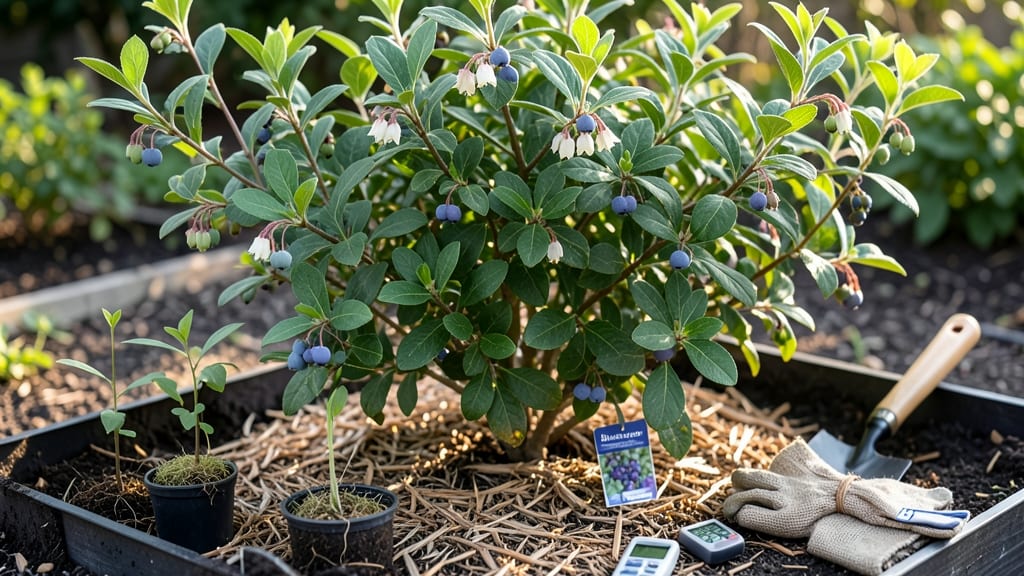
Timing your blueberry 🫐 planting in Wisconsin isn’t just about picking a month—it’s about matching your bushes to the state’s chill-hour zones and avoiding frost traps. Get it wrong, and you’ll either lose young plants to late spring freezes or watch them struggle to establish roots before winter.
The good news? With the right approach, you can turn Wisconsin’s climate into an advantage for sweet, homegrown harvests.
Most gardeners in Zones 4-6 have two safe windows: late spring (April-May) or early fall (September-October), but the key lies in soil temperature and variety selection. Northern Highbush types need 800-1,000 chill hours, while Southern Highbush varieties thrive with fewer.
I’ll break down exactly how to sync your planting with Wisconsin’s frost patterns and soil readiness.
You’ll also discover why fall planting often outperforms spring in colder regions—plus how to prep your soil for acid-loving bushes and protect tender roots from unpredictable weather. Whether you’re a first-time grower or a seasoned gardener, these insights will help you avoid common mistakes that derail blueberry success.
Let’s dive into the exact steps to plant your 🫐 bushes at the perfect moment, so you’re harvesting plump berries by next summer. Ready to transform your Wisconsin yard into a blueberry powerhouse?
Wisconsin’s best blueberry planting months by chill-hour Zone (4-6)
Wisconsin’s USDA Zones 4-6 demand precise timing for blueberry planting, where a 500-1,000 chill-hour requirement meets unpredictable last frost dates.
In Zone 4 (northern WI), aim for late April to early May when soil warms to 40°F—but delay if frost lingers. Zones 5-6 offer flexibility, with September to early October ideal for fall planting, letting roots establish before winter.
Your blueberry variety dictates timing: Northern Highbush (e.g., 'Bluecrop') thrives in Zone 4-5 with 800+ chill hours, while Southern Highbush (e.g., 'Misty') suits Zone 5-6 with 300-500 chill hours. Half-high varieties like 'Top Hat' bridge the gap for Zone 4-6 gardens.
Soil temperature is critical—wait until soil reaches 40°F (use a soil thermometer) before planting. In Zone 4, this often aligns with late May; in Zone 6, April may work. Fall planting (Zones 5-6) should occur 6-8 weeks before first frost to allow root establishment.
🌱
| Zone & Variety | Best Planting Window | Soil Temp Threshold | Chill Hours Needed | Frost Risk |
|---|---|---|---|---|
| Zone 4 (Northern WI) Northern Highbush (e.g., 'Bluecrop') |
Late April–Early May | 40°F+ | 800–1,000 | High (last frost: May 15) |
| Zone 5 (Central WI) Half-High (e.g., 'Top Hat') |
April–May OR September | 40°F+ | 500–700 | Moderate (last frost: May 1) |
| Zone 6 (Southern WI) Southern Highbush (e.g., 'Misty') |
March–April OR September–October | 40°F+ | 300–500 | Low (last frost: April 15) |
For bare-root plants, prioritize spring planting (April–May) to maximize root growth before winter. If buying potted blueberries, fall planting (September) works well in Zones 5-6, as established roots handle winter better. Mulch heavily (4–6 inches) after planting to insulate roots from temperature swings.
Check your local frost dates—Wisconsin’s last spring frost can vary by 2 weeks between northern and southern regions. Use the National Weather Service or Wisconsin State Climatology Office for precise data.
In Zone 4, if frost threatens after planting, cover young bushes with frost cloth for 3–5 nights.
After planting, water deeply (1–2 gallons per plant) to settle soil and encourage root spread. Drip irrigation is ideal—it delivers moisture directly to roots without wetting foliage (reducing fungal risks). Avoid overhead watering in late afternoon, as wet leaves invite botrytis blight, a common WI issue.
💧
Fall-planted blueberries in Zones 5-6 benefit from a second watering in early October to prepare for winter.
In Zone 4, hold off on fall watering until soil thaws in spring—overwatering can lead to root rot in cold, saturated soil. Test your soil pH (aim for 4.5–5.5) before planting; Wisconsin’s native soil is often alkaline, requiring peat moss or sulfur amendments.
Pro tip: Plant 3–5 bushes of the same variety for cross-pollination (critical for fruit set). Space them 4–6 feet apart—blueberries spread over time, and crowding invites pests and disease.
Choose a sunny, sheltered spot (e.g., near a south-facing fence) to protect from late spring frosts and harsh winds.
How to choose blueberry varieties that thrive in Wisconsin’s climate
Selecting the right blueberry variety for Wisconsin’s climate isn’t just about hardiness—it’s about matching chill-hour requirements to your USDA Zone (4-6). Northern Highbush types like 'Bluecrop' need 800-1,000 chill hours, while Southern Highbush varieties like 'Premier' thrive with 300-500 chill hours.
Wisconsin’s Zone 4 areas (e.g., northern counties) require varieties that tolerate extended cold snaps and late frosts.
For Zone 5-6 regions (southern Wisconsin), half-high varieties like 'Jersey' or 'Patriot' are excellent choices. These bushes balance yield potential with disease resistance, critical for Wisconsin’s humid summers. Always check the chill-hour range on your plant tag—mismatches can lead to poor flowering or no fruit.
🌱
| Variety | Chill Hours | Zone Fit | Yield Potential | Notes |
|---|---|---|---|---|
| Bluecrop | 800-1,000 | 4-6 | High (large berries) | Best for Zone 4-5; needs cross-pollination |
| Jersey | 600-800 | 5-6 | Moderate (early ripening) | Dwarf variety; great for containers |
| Patriot | 700-900 | 4-6 | High (disease-resistant) | Self-pollinating; thrives in heat |
| Premier | 300-500 | 5-6 | Very High (large berries) | Southern Highbush; needs protection in Zone 4 |
| Duke | 500-700 | 5-6 | Moderate (early season) | Cold-hardy; good for short seasons |
When shopping for blueberry plants, prioritize disease-resistant varieties like 'Patriot' or 'Duke', which handle Wisconsin’s humid summers better than standard types. Avoid Southern Highbush varieties in Zone 4 unless you’re willing to provide extra winter protection, like mulch blankets or burlap wraps.
For container growing in urban areas, half-high varieties like 'Jersey' (3-4 feet tall) are ideal. They fit on patios and still produce 2-3 quarts of berries per plant annually. Just ensure your pot has drainage holes and use a well-draining, acidic mix (pH 4.5-5.5).
If you’re planting multiple bushes, mix two compatible varieties for cross-pollination—'Bluecrop' pairs well with 'Patriot', while 'Duke' can pollinate 'Premier'. This simple step can double your yield in Wisconsin’s short growing season.
🌿