
Plants
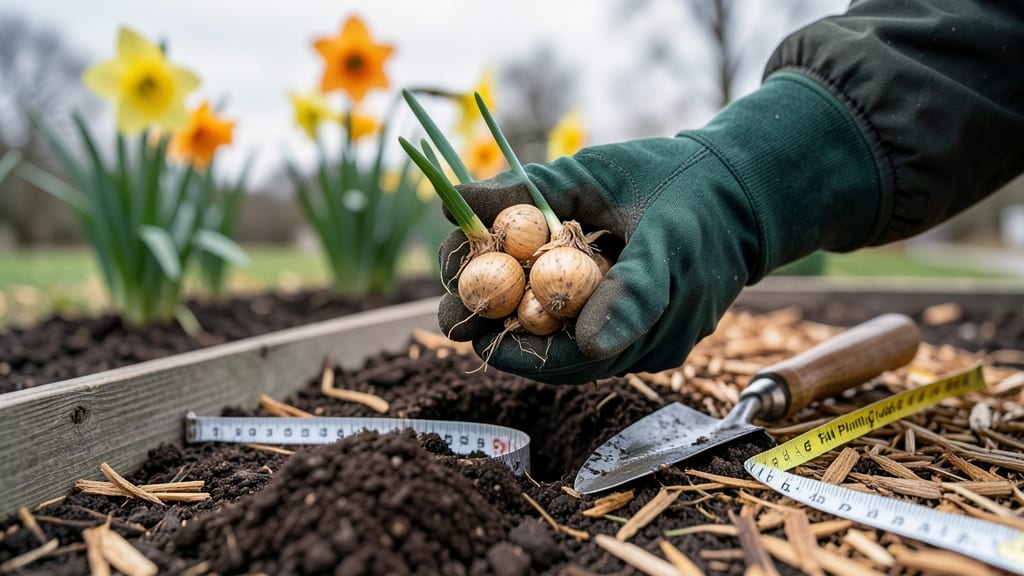
Planting daffodils in Maryland isn’t just about dropping bulbs in the dirt—it’s about matching their chill-hour needs with your local frost timing to guarantee those zero-frost blooms you crave. Maryland’s 7a-8a zones demand precision, and getting it wrong means either soggy rot or missed spring color.
The key? Planting 6-8 weeks before the ground freezes, typically between October and December, but with a backup window in early March if you missed the fall deadline.
Why does timing matter so much? Daffodils need 300-600 chill hours to bloom reliably, and Maryland’s unpredictable frost patterns—especially in northern vs. southern regions—can throw off even the best-laid plans.
Whether you’re in Baltimore or Annapolis, aligning your planting with local frost data (like NOAA’s averages) ensures your bulbs get the perfect cold snap without lingering moisture that invites rot.
Let’s break down the exact planting windows for your zone, plus soil prep tricks to give your daffodils the edge. From choosing the right bulb size to adjusting for urban heat islands, I’ll show you how to turn Maryland’s frost quirks into a guaranteed spring spectacle.
No more guessing—just vibrant, frost-proof blooms year after year.
Ready to transform your garden? Grab your gloves, and let’s dive into the step-by-step guide that’ll have your 🌼 daffodils popping up like clockwork—no matter what Maryland’s winter throws at them.
Maryland’s ideal daffodil planting windows by chill-hour zones
Maryland’s USDA zones 5b-7a create a unique challenge for daffodil planting—too early, and bulbs rot in warm fall soils; too late, and they won’t establish roots before winter. The key?
Matching your location’s chill hours (300-600 hours below 45°F) to the right planting window. Northern Maryland (zone 5b-6a) needs earlier dates, while southern Maryland (zone 7a) can wait slightly longer.
For zero-frost spring blooms, aim to plant daffodils 6-8 weeks before the ground freezes. In Maryland, this typically means mid-October to early December, but your exact window depends on local chill hours.
Use NOAA’s Local Climatological Data tool to check your area’s frost dates—Baltimore averages November 15 for first frost, while Frederick may see it 2 weeks earlier.
Missed the fall window? Don’t panic—daffodils tolerate early spring planting (March), though blooms may arrive 2-3 weeks later. Just ensure soil temps hit 50°F consistently.
For Maryland gardeners, this means waiting until after April 1 in most areas, but coastal regions like Annapolis can plant 1-2 weeks earlier.
🌱 Daffodil Chill-Hour & Planting Guide for Maryland
| Zone | Chill Hours | Ideal Planting Window | Backup Window | Soil Temp Goal |
|---|---|---|---|---|
| 5b (Northern MD) | 500-600 hrs | Mid-Sept to Nov 15 | Early March | Below 60°F |
| 6a (Central MD) | 400-500 hrs | Late Sept to Dec 1 | Mid-March | Below 55°F |
| 7a (Southern MD) | 300-400 hrs | Oct 15 to Dec 15 | Late March | Below 50°F |
*Chill hours measured at 45°F threshold; adjust for microclimates (e.g., urban areas may need earlier planting).
Pro tip: Use a soil thermometer to confirm temps—daffodils need consistent 60°F or lower for 10+ days before planting. In Maryland’s clay-heavy soils, mix in compost or sand to improve drainage and prevent bulb rot.
For container gardening, ensure pots have drainage holes and use a lightweight potting mix.
Northern Maryland gardeners should prioritize early September planting for varieties like ‘Ice Follies’, which need maximum chill hours. Southern Marylanders can extend the window into mid-December for ‘Tête-à-Tête’ or ‘Minnow’, which tolerate slightly warmer winters.
Always plant bulbs 3x deeper than their height—typically 6-8 inches deep—to protect them from frost heave.
For reliable blooms, aim to plant when daytime highs drop below 70°F and nights stay consistently below 50°F. In Maryland, this usually aligns with late October, but urban areas like Baltimore may need to start 2 weeks earlier due to heat island effects.
Coastal regions like Annapolis can wait until November 1 thanks to moderating ocean breezes.
Don’t overlook bulb quality—choose firm, dry bulbs with no soft spots. Maryland’s humid winters can cause bulbs to rot if stored improperly; keep them in a cool (40-50°F), dry place until planting. For large-scale planting, order bulbs in early summer to avoid last-minute shortages.
Remember: Fall-planted daffodils establish deeper roots and outperform spring-planted bulbs in Maryland’s climate. The 4-6 week window before frost is critical—use a frost calendar (like the Old Farmer’s Almanac) to track your local first frost date and work backward.
With the right timing, your daffodils will bloom reliably year after year, even through Maryland’s unpredictable springs.
How to time daffodil planting for zero-frost spring blooms in Maryland
Maryland’s frost dates are famously unpredictable—one year you’ll see daffodils peeking through snow, while the next, a late freeze wipes out early blooms. To guarantee zero-frost spring blooms, I align planting with Baltimore/Washington’s average last frost date (April 15) while accounting for microclimates.
Urban areas like D.C. may bloom 2 weeks earlier than rural Western Maryland due to heat islands.
Start planting 6-8 weeks before your first hard frost (typically mid-October to early November for most of Maryland). This window ensures bulbs establish roots before winter but don’t sprout too early. Use a soil thermometer—ideal planting soil temps hover between 40-50°F.
For coastal areas (e.g., Annapolis), extend your window by 2 weeks later—cooler ocean breezes delay frost. In mountainous regions (e.g., Western Maryland), plant 2 weeks earlier to avoid early snow cover. Pro tip: Check NOAA’s Frost/Freeze Product for your county’s 30-year averages.
⚠️ Critical Warning: Avoid These Planting Pitfalls
Planting too early (before September 15) risks bulb rot from warm, wet soil. Planting too late (after December 1) may leave bulbs vulnerable to heaving in freeze-thaw cycles.
Soil too wet? Amend with compost or sand to improve drainage—Maryland’s clay soils hold moisture like a sponge. No mulch? Add 3 inches of straw after planting to insulate bulbs.
Spring planting is possible but risky—only attempt it in early March if you missed fall. Use larger bulbs (12+ size) for better cold tolerance and plant 2 inches deeper than fall plantings. Water deeply every 7-10 days until blooms appear to compensate for slower root growth.
For container gardening, plant daffodils in well-draining pots and move them to a garage or cold frame if frost threatens after planting. Coastal gardeners can push the envelope by planting 1-2 weeks later—ocean winds often delay frost by 5-7 days.
Test your soil’s drainage before planting: Dig a 12-inch hole, fill it with water, and time how long it takes to drain. If it takes more than 2 hours, amend the soil or choose a raised bed. Well-drained soil is non-negotiable for Maryland’s damp winters.