
Plants
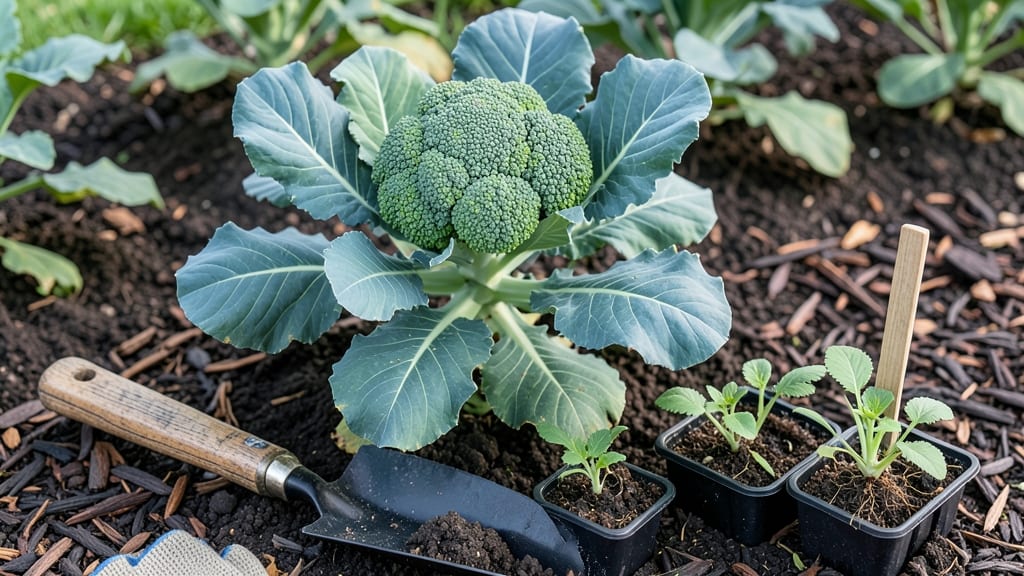
Timing your 🥦 broccoli planting in North Texas could mean the difference between a thriving garden and a bitter disappointment. The wrong window means bolting—those tough, flowery stalks that ruin your harvest—while the perfect moment gives you crisp, flavorful heads all season long.
You’re not just guessing with dates here—this is about understanding USDA Zone 8a quirks, from last frost dates to heat spikes that trick broccoli into flowering early. Whether you’re a first-time gardener or a seasoned green thumb, nailing these exact windows will save you from wasted seeds and frustration.
Let’s break it down: spring plantings need to happen 4-6 weeks before your last frost (around February–early March), while fall offers a second chance in August–September. But here’s the catch—North Texas heat can still sneak up on you, even in cooler seasons.
I’ll show you how to read your soil’s temperature, pick the right varieties, and avoid the most common mistakes. By the end, you’ll know exactly when to plant for zero-bolt success—no guesswork, just homegrown broccoli that tastes like it came from a farmer’s market.
North Texas broccoli planting calendar: exact dates by variety
North Texas gardeners face a unique challenge: our hot summers and chilly winters demand precise timing for broccoli success. Unlike cooler climates, we can grow broccoli twice a year—spring and fall—with careful attention to frost dates and heat tolerance.
The key? Plant when soil temps stay below 80°F and nights stay cool.
For spring plantings, aim for February through early March—just 4-6 weeks before your last expected frost (typically February 15). This gives plants time to mature before summer’s brutal heat.
Fall plantings should start August through September, with varieties chosen for their ability to handle mild winter chills but avoid bolting before frost.
Here’s the breakdown for North Texas’s two planting windows, including microclimate adjustments for Dallas (7b) vs. Lubbock (8a):
| Planting Window | Ideal Dates (Dallas) | Ideal Dates (Lubbock) | Soil Temp Threshold | Key Notes |
|---|---|---|---|---|
| Spring Planting | Feb 15–Mar 1 | Feb 20–Mar 5 | 50–65°F | Use cold-hardy varieties; mulch to retain heat. |
| Fall Planting | Aug 15–Sep 15 | Aug 1–Sep 10 | 60–75°F | Avoid late plantings; bolting risk increases after Sep 20. |
🌱 Pro Tip: Lubbock’s drier climate allows slightly earlier fall plantings.
Why these dates? Spring broccoli needs to bolt before summer’s 90°F+ soil temps trigger bitterness. Fall broccoli, meanwhile, must establish roots before first frost (Nov 15) but avoid planting too early—soil warmth in August can still cause bolting.
For Dallas gardeners, add 1–2 weeks to these windows to account for higher humidity.
For transplants (not seeds), adjust timelines by 2–3 weeks earlier. Start seedlings indoors in January for spring or July for fall, then harden off before moving outdoors. Seedlings need 4–6 weeks of indoor growth to reach transplant size, so plan ahead!
Microclimates matter: Elevated beds in Dallas warm faster than flat ground, while Lubbock’s lower humidity lets you push fall plantings slightly later. Test soil temps with a soil thermometer—ideal planting temps hover around 50–65°F. If temps spike above 80°F, broccoli bolts within 3–5 days.
Don’t overlook succession planting! In North Texas, you can squeeze in 2–3 fall harvests by sowing seeds every 2 weeks from August through September. This stretches your harvest window from October through December, even after frost. Just choose fast-maturing varieties (like ‘De Cicco’) for these late plantings.
Finally, avoid planting near summer. Broccoli planted in May or June will bolt by July, leaving you with bitter, inedible heads. Instead, focus on cool-season windows and use shade cloth (30–50%) in late spring/early fall to protect young plants from heat stress.
With these exact dates and microclimate tweaks, your North Texas broccoli will thrive—no bolting, no bitterness, just crisp, flavorful heads all season long. Happy planting! 🥦
How to avoid bolting: temperature and soil tricks for Texas gardens
Broccoli hates heat—especially North Texas summers—where soil temperatures above 80°F trigger that dreaded bolting. Even a single hot day can send your plants shooting up flower stalks instead of forming heads.
The key? Cool roots, consistent moisture, and strategic shade. I’ve grown broccoli in Dallas for years, and these tricks keep my plants happy and heady until harvest.
First, test your soil temperature before planting. Use a soil thermometer (just $10 at garden centers) to check depths of 1-2 inches. For spring plantings, aim for 50-70°F—any hotter, and you’re rolling the dice on bolting.
In fall, soil temps should stay below 75°F for at least 6 weeks post-planting. If your soil runs hotter, delay until late August or early September.
🔹 Visual Element: Callout Warning 🔹
⚠️ Bolting Warning Signs
🌡️ Soil temp >80°F → Plants bolt within 3-5 days
🌞 3+ days of 90°F+ → Flower stalks emerge in 7-10 days
💧 Skipped watering → Stress triggers premature flowering
💡 Fix: Mulch with straw (3-4 inches) to keep roots cool and moist.
Next, mulch like a pro. Spread 3-4 inches of straw or shredded leaves over the soil surface to insulate roots and retain moisture. Organic mulch also lowers soil temps by 5-10°F, which is a game-changer in North Texas’s erratic spring and fall weather.
Replenish mulch every 2-3 weeks—especially after rains—to maintain that cool, damp environment broccoli craves.
For extra heat protection, use shade cloth (30-50%) during the hottest afternoon hours (12 PM–4 PM). Stake it 12 inches above plants to allow morning sun for photosynthesis.
I swear by white shade cloth—it reflects heat while still letting in 60% light, which broccoli tolerates better than full sun during heatwaves. Remove it by late afternoon to let plants harden off for cooler evenings.
Don’t overlook companion plants—they’re your secret weapon against bolting. Plant bush beans, lettuce, or radishes nearby to compete for heat and shade the soil. Avoid planting near tomatoes or cabbage, which can stress broccoli further.
In my garden, dill and cilantro act as living mulch, casting dappled shade while repelling pests like cabbage moths.
Finally, water deeply but infrequently. Broccoli needs 1-2 inches of water per week, but daily light sprinkles encourage shallow roots that overheat. Instead, soak the soil every 2-3 days (morning is best) to encourage deep root growth.
Use a soaker hose to deliver water at the base—avoid wetting leaves, which can trigger fungal diseases in our humid summers.
With these tricks, your broccoli will stay cool, happy, and head-forming—no bitter bolting in sight! 🌱