
Plants
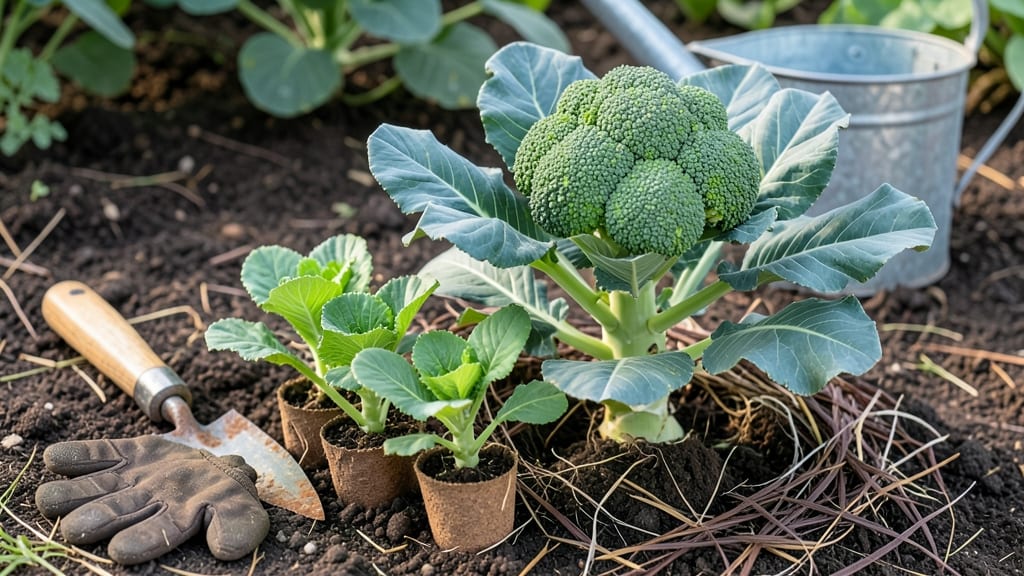
Timing your 🥦 broccoli planting in Arizona isn’t just about following a calendar—it’s about outsmarting the desert’s extreme heat and short winter growing window. Skip the wrong season, and you’ll end up with bitter, bolted greens instead of the sweet, tender harvest you’re after.
Here’s the secret: Arizona’s fall planting window—September through October—is your golden ticket to success. This is when temperatures cool down just enough for broccoli to thrive, avoiding the 100°F+ summers that send most cool-season crops running for cover.
But it’s not just about the calendar. High desert areas like Flagstaff have different rules than Phoenix, and even microclimates within your own yard can shift the timing.
I’ll break down exactly when to plant, how to adjust for your specific zone, and the 3 key mistakes that sabotage even the most well-intentioned gardeners.
Ready to grow broccoli that’s actually worth harvesting? Let’s dive into the desert-friendly schedule that’ll keep your plants happy—and your dinner table stocked—from November through May.
Best planting times for broccoli in Arizona’s climate zones
Arizona’s diverse climate zones—from the low desert’s 110°F summers to the high desert’s cooler winters—demand precise planting timing for broccoli success. Unlike northern states, Arizona’s frost-free winters (except high desert areas) mean broccoli thrives in fall and early spring rather than summer.
The key? Plant when daytime temps hover between 60–75°F—any hotter, and your broccoli will bolt (send up bitter flower stalks) before you harvest.
For Phoenix and Tucson (USDA Zones 9b–11a), the ideal window is late August through October, with a second chance in February–March for spring harvests. High desert areas like Flagstaff (Zone 7a) can plant 1–2 months earlier due to cooler nights.
Microclimates matter too—urban areas with concrete heat islands may need shade adjustments, while rural spots can push planting slightly later.
| Zone | Best Planting Months | Key Considerations | Harvest Window |
|---|---|---|---|
| Low Desert (Phoenix/Tucson) | Late August–October February–March |
Avoid 100°F+ days; use shade cloth in summer | November–December April–May |
| Transitional (Mesa/Sedona) | September–October January–February |
Watch for light frosts in winter; mulch heavily | October–December March–April |
| High Desert (Flagstaff) | July–August February–March |
Soil stays cool; no summer planting—heat stress is inevitable | September–October April–May |
Arizona’s monsoon season (July–September) brings sudden downpours, which can drown seedlings if planted too early. Wait until mid-August when rains taper off and temps stabilize.
For spring planting, aim for late February—earlier, and your broccoli may bolt from warming soil; later, and you’ll miss the coolest months before summer heat returns.
Choose heat-tolerant varieties like ‘De Cicco’ or ‘Waltham 29’ for Arizona’s climate. These handle short heat spikes better than standard varieties. Pair them with morning sun + afternoon shade to extend your growing window.
In high desert areas, protect young plants from light frosts (below 28°F) with row covers or move pots indoors.
Soil prep is critical in Arizona’s sandy or clay-heavy soils. Amend with 3–4 inches of compost and organic matter to retain moisture.
Test your soil’s pH (6.0–7.0 ideal)—Arizona’s alkaline soils often need sulfur or peat moss to lower pH. Mulch with straw or wood chips to keep roots cool and moist, especially in urban gardens where soil heats up faster.
Timing your seedling transplants right is half the battle. Buy 6-week-old seedlings from local nurseries (like Desert Botanical Garden’s plant sales) in August or February. Harden them off for 7–10 days before planting to avoid transplant shock.
Space plants 18–24 inches apart in rows 30 inches apart to allow airflow and reduce disease risk from Arizona’s high humidity in monsoon season.
If you’re starting seeds indoors, begin 8–10 weeks before your target outdoor date. Use grow lights to simulate 14–16 hours of light daily—natural Arizona sunlight in winter is often too weak for seedlings.
Transplant outdoors on a cool, cloudy day to minimize stress. Water deeply before and after transplanting to help roots establish in dry desert soil.
Arizona’s microclimates can shift planting windows by weeks. For example, Sedona’s red rock terrain stays cooler than nearby Phoenix suburbs, allowing 2–3 weeks later planting. Use a home weather station to track your yard’s average nighttime temps—broccoli needs temps below 80°F to thrive.
If your area hits 90°F+ days, even for a few hours, your broccoli will bolt within 2–3 weeks.
For container gardening in Arizona
Best planting times for broccoli in Arizona’s climate zones
Arizona’s diverse climate zones mean your broccoli planting schedule depends on whether you’re in the low desert (Phoenix), high desert (Flagstaff), or somewhere in between. In Phoenix, where temperatures soar past 100°F in summer, broccoli simply won’t survive if planted too early.
Meanwhile, high desert areas can experience light frosts, extending your growing window.
The key is planting when daytime highs dip below 80°F and nighttime temps stay above 50°F. For most of Arizona, that’s a September-October window for fall crops and a February-March window for spring.
But let’s break it down by zone so you don’t guess—and don’t end up with bolted greens.
| Zone | Ideal Planting Months | Key Considerations | Harvest Window |
|---|---|---|---|
| Low Desert (Phoenix, Tucson) | September–October | Avoid summer heat; use shade cloth if planting early | November–February |
| Transitional (Prescott, Yuma) | August–September, February | Watch for early frosts; extend season with row covers | October–March |
| High Desert (Flagstaff, Sedona) | July–August, February–March | Light frosts possible; hardier varieties like ‘De Cicco’ recommended | September–May |
If you’re in the low desert, aim for late September to give your plants time to establish roots before winter. In the high desert, you can push it to early August—just be ready for possible light frosts in late fall.
Pro tip: Check your local USDA Zone 9b-11 frost dates, but remember, Arizona’s desert climate is unpredictable.
Even within a single city, microclimates matter. Urban areas with concrete and pavement stay warmer at night, while rural spots with shade trees cool down faster. If your yard gets hotter than average, opt for shade-tolerant varieties like ‘Waltham 29’ or use 30% shade cloth during peak heat.
One common mistake is planting too early in spring. By March, daytime temps in Phoenix can already hit 90°F, sending broccoli into a bolting frenzy.
Instead, stick to the fall window for reliable harvests. And if you’re eager for an early crop, start seedlings indoors in July and transplant in late August.
Timing isn’t just about the calendar—it’s about reading your local microclimate. Pay attention to how your yard behaves after sunset, and adjust your planting date by 1-2 weeks if your area runs hotter or cooler than average.
With the right schedule, you’ll avoid the bitter, bolted broccoli nightmare and enjoy sweet, tender heads all winter long.