
Plants
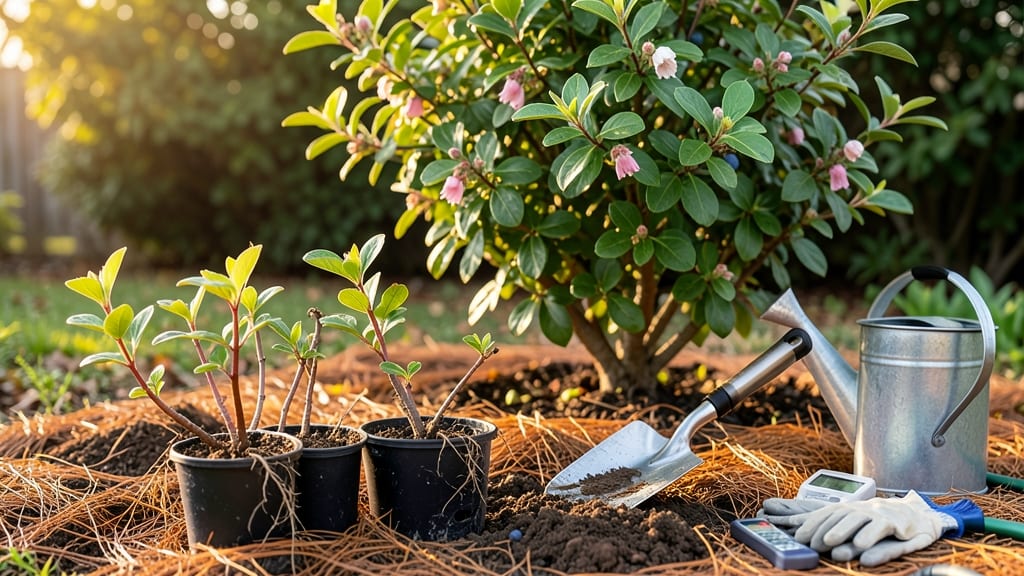
Planting blueberries in Zone 9 might seem tricky with those mild winters, but timing is everything for sweet, thriving 🫐 harvests. The secret lies in matching your region's chill hours—too early or too late, and you risk weak canes or missed fruiting seasons.
Most gardeners in Zone 9b get it right by planting between November and February, when cooler temps help roots establish before summer heat arrives. Coastal areas can push slightly later, while inland spots should plant earlier to beat potential early warmth.
Whether you're working with bare-root plants or containers, the goal is the same: give those roots 4-6 weeks to settle before spring's growth surge. I'll walk you through exactly how to time it—plus the soil prep and variety tricks that make all the difference in Zone 9's challenging climate.
Let's dive into the perfect planting window so you can enjoy homegrown blueberries year after year, without the guesswork.
Zone 9 blueberry planting calendar: chill-hour requirements by variety
Growing blueberries in Zone 9 requires careful timing—your plants need chill hours (40-70°F temperatures) to set fruit, but our mild winters make this tricky. The right variety and planting window can mean the difference between sweet harvests and sparse berries.
Most Southern Highbush varieties thrive with 200-400 chill hours, while Rabbiteye types need 500-1000 hours. In Zone 9, we’ll focus on low-chill varieties like 'O’Neal' (300 hours) or 'Misty' (400 hours) for reliable fruiting.
Your best planting windows are late fall (November-December) or early spring (February-March). Fall planting lets roots establish before winter rains, while spring planting avoids dormant season stress. Let’s break down the ideal timing for each variety.
🌱
| Variety | Chill Hours | Best Planting Window | Mature Size | Notes |
|---|---|---|---|---|
| Southern Highbush (e.g., 'O’Neal') | 200-400 | Nov-Dec or Feb-Mar | 4-6 ft | Early ripening, heat-tolerant |
| Southern Highbush (e.g., 'Misty') | 400-500 | Nov-Dec or Feb-Mar | 5-6 ft | Large berries, needs afternoon shade |
| Rabbiteye (e.g., 'Powderblue') | 500-800 | Dec-Jan or Mar-Apr | 8-12 ft | Tall, needs support, late frost risk |
| Half-High (e.g., 'Chester') | 300-500 | Nov-Dec or Feb-Mar | 4-5 ft | Compact, good for containers |
For Zone 9’s coastal areas (like San Diego), aim for November planting to capitalize on winter rains. Inland areas (like Phoenix) should plant in December-January to avoid late-season heat stress before root establishment.
If you’re planting bare-root blueberries, do it in winter (Dec-Feb) when the plant is dormant. For container-grown plants, spring (March-April) gives them time to adjust before summer heat arrives.
Always check your local chill-hour data—some inland Zone 9 spots get 600+ hours, while coastal areas may see only 200-300 hours. Use a chill-hour calculator or ask your local extension office for precise numbers.
After planting, mulch heavily (4-6 inches) with pine bark or straw to retain moisture and regulate soil temperature. This is especially critical in Zone 9’s dry winters.
🌿
Fall vs. winter planting in Zone 9: which works best for blueberries?
Zone 9’s mild winters create a unique opportunity for blueberry planting, but timing matters more than most gardeners realize. Unlike cooler zones, you can plant blueberries in both fall and winter, but each season offers distinct advantages—and pitfalls.
Let’s break down when to plant for maximum success in your Zone 9 garden.
Fall planting (September–November) gives blueberry roots a head start before winter rains arrive. The cooler soil temperatures reduce stress on newly planted canes, while winter planting (December–February) avoids summer heat stress but requires extra care to protect roots from Zone 9’s occasional frost.
Both methods work, but your choice depends on your local microclimate and variety.
Fall Planting (Sep-Nov)
- ✅ Pros: Roots establish before winter rains
- ✅ Better for bare-root plants (less transplant shock)
- ✅ Avoids summer heat stress
Winter Planting (Dec-Feb)
- ✅ Pros: Cooler temps reduce transplant shock
- ✅ Avoids summer heat stress entirely
- ✅ Good for container-grown plants (less root disturbance)
Cons:
- ❌ Risk of drought stress if rains delay
- ❌ Requires extra mulching for frost protection
Cons:
- ❌ Needs frost protection in coastal Zone 9
- ❌ Slower root growth in dry winters
For coastal Zone 9 (e.g., Southern California), winter planting (December–January) is ideal because mild, wet winters mimic the plant’s natural dormancy period. Inland areas (e.g., Arizona deserts) should aim for fall planting (October–November) to take advantage of cooler soil temperatures and early winter rains.
Regardless of timing, always plant blueberries in well-amended, acidic soil (pH 4.5–5.5) and water deeply after planting. In Zone 9, mulching with pine needles (to acidify soil) and drip irrigation (to avoid wetting foliage) are non-negotiable for first-year success.
Pro tip: If planting in late winter (February–March), choose container-grown plants over bare-root—they handle transplant shock better in warming soil. And always monitor your local frost dates! Even Zone 9 can surprise you with a 28°F night.
Remember, blueberries thrive when their roots have time to establish before fruiting season. In Zone 9, that means planting 4–6 months before your first expected frost—so if frost hits in December, aim for June–August planting (though summer heat can be brutal). Balance is key! 🌱