
Plants
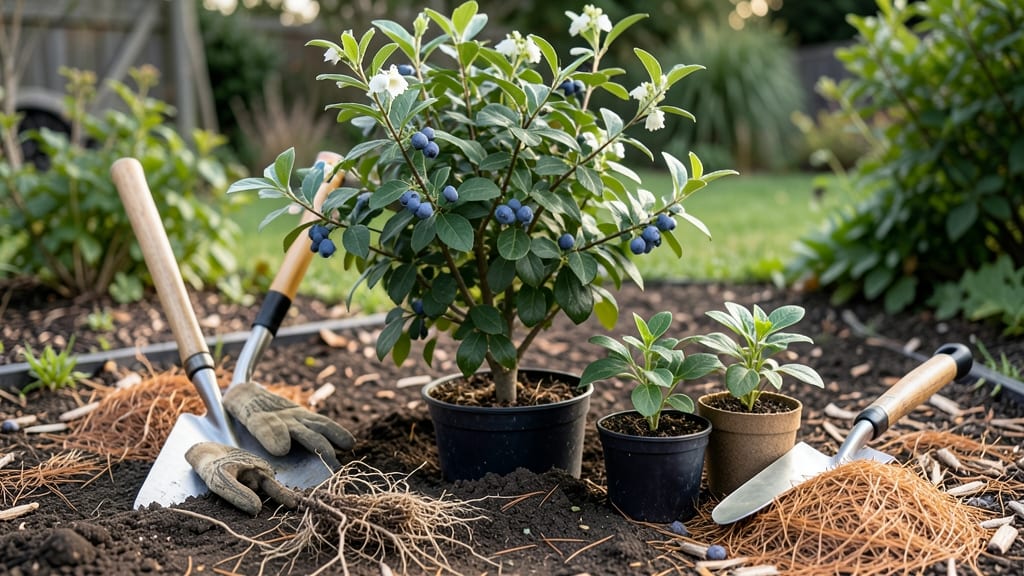
Planting your Blueberry Bush 🫐 at the wrong time in Michigan could mean the difference between a lush, fruiting shrub and a struggling one that never quite thrives. The key isn't just waiting for spring—it's matching your variety's chill-hour needs to Michigan's tricky weather patterns, especially in zones 5b-6b.
Most gardeners in Michigan swear by late April through early June, but fall planting in September-October works just as well—if you time it right. The secret?
Understanding how your blueberry's chill requirements align with Michigan's last frost dates (usually around April 15), so you don't end up with frost-nipped canes or delayed fruit production.
I'll walk you through exactly when to plant based on your specific variety—whether it's a cold-hardy northern highbush like 'Bluecrop' or a milder southern highbush—and how to adjust for Michigan's unpredictable spring.
You'll learn how to prep your soil, protect young plants, and maximize your harvest from July to August.
Ready to grow blueberries that burst with flavor? Let's get your Blueberry Bush 🫐 off to the best possible start with planting tips tailored to Michigan's climate and your garden's unique conditions.
Michigan's best planting windows for blueberry bushes by chill-hour requirements
Planting blueberry bushes in Michigan requires more than just checking the calendar—it’s about understanding your variety’s chill-hour needs and aligning them with Michigan’s USDA Zones 4-6.
Southern highbush varieties need fewer chill hours (200-400 hours), while northern highbush (600-1000 hours) and rabbiteye (300-500 hours) thrive with more cold exposure. This mismatch can lead to poor fruiting or even plant death if ignored.
Michigan’s spring weather is famously unpredictable, with last frost dates ranging from early April in southern regions to late May in the Upper Peninsula. Planting too early risks frost damage, while waiting too long delays root establishment.
The key is to plant when soil temperatures reach 40°F (4°C) and stay consistent for at least a week.
Fall planting is often ideal because cooler temperatures reduce transplant shock, and bushes establish roots before winter dormancy. However, planting in September or early October leaves enough time for roots to settle before the ground freezes.
Spring planting should occur 2-4 weeks after the last frost, typically late April to early June in most of Michigan.
For southern highbush varieties (like 'Peach Sorbet'), aim for late April to May in southern Michigan or May to early June in northern zones. Northern highbush varieties ('Bluecrop', 'Patriot') can handle earlier planting (April to early May) due to their higher chill-hour tolerance.
Always verify your variety’s specific needs before choosing a date.
| Variety Type | Chill-Hour Needs | Best Planting Window | Michigan USDA Zones | Notes |
|---|---|---|---|---|
| Southern Highbush | 200-400 hours | Late April - May (South MI) / May - Early June (North MI) | 5b-6b | Heat-tolerant; avoid late spring frosts |
| Northern Highbush | 600-1000 hours | April - Early May (all zones) | 4a-6b | Cold-hardy; plant early for root establishment |
| RabbitEye | 300-500 hours | May - Early June (South MI only) | 6a-6b | Limited to southern MI; needs warm summers |
If you’re planting in fall, focus on September to early October to allow roots to establish before winter. Avoid planting later than October, as new roots won’t have time to harden off.
For container-grown bushes, you can plant slightly later (October to November), as they’re less stressed by cold temperatures.
Always test your soil’s pH level (ideal: 4.5-5.5) before planting. Blueberries are acid-loving and won’t thrive in alkaline soil. Amend with peat moss or sulfur if needed. Mulch with pine needles or wood chips to maintain acidity and retain moisture.
Michigan’s microclimates play a huge role in planting success. Urban areas may experience 2-3°F warmer temperatures than rural zones, while lakeside locations can have cooler springs. Use local weather data or ask your county extension office for precise frost dates in your area.
Pro tip: If you’re unsure about your variety’s chill-hour needs, opt for 'Bluecrop' or 'Patriot', two of Michigan’s most reliable northern highbush varieties. They handle the state’s 600-900 chill hours with ease and produce high yields even in colder climates.
Remember, bare-root bushes should be planted in early spring or fall, while container-grown plants offer more flexibility. If you miss the ideal window, don’t panic—just adjust your care routine to support slower establishment.
How to adjust planting timing for Michigan's unpredictable spring weather
Michigan's spring weather can be as unpredictable as a blueberry bush 🫐 in bloom, with late frosts sneaking in even after the calendar says it's safe. That's why I've learned to adjust planting timing based on soil temperature, frost forecasts, and the specific chill-hour needs of your variety.
Most gardeners in USDA zones 5b-6b aim for planting after the last frost date—usually around April 15—but you can start preparing your soil weeks earlier.
The key is warming your soil before planting. I use a simple black plastic mulch or straw bales to raise soil temperatures by 5-10°F. This gives your blueberry roots a head start, especially if you're planting bare-root bushes in early spring.
For container-grown plants, I wait until the soil stays above 50°F for at least a week to avoid root shock from cold soil.
🌱 Visual Tip: Use a soil thermometer ($10 at garden centers) to check temperatures. Plant when the soil is consistently above 55°F—this is when roots start actively growing.
- Cold Frames: Use them to harden off young plants or protect newly planted bushes from late frosts (cover with frost cloth at night).
- Soil Warmers: Lay down black plastic mulch 2-3 weeks before planting to accelerate soil warming.
- Microclimates: Plant near south-facing walls or heat-absorbing surfaces (like dark gravel) to create warmer microclimates.
- Fall Planting: September-October planting gives roots time to establish before winter, reducing spring stress.
- Variety Selection: Choose northern highbush varieties (like 'Bluecrop') for early spring planting—they tolerate cooler soils better than southern varieties.
If you're planting in late spring (May-June), focus on watering consistency and mulching to help young plants establish. I always add a 3-inch layer of pine bark mulch (to lower pH naturally) and keep it moist but not soggy.
For fall planting (September-October), aim to get bushes in the ground at least 6 weeks before frost—this gives roots time to establish before winter dormancy.
One mistake I see often is planting too early when the ground is still frozen. Always check for frost-free soil by pushing a stick or trowel 6 inches deep—if it comes out clean, your soil is ready.
For container-grown bushes, you can plant slightly earlier since pots warm up faster, but still wait for daytime highs above 60°F.
Pro tip: Sign up for your local Cooperative Extension Service frost alerts (free!) or use apps like Frost Advisory to get real-time updates. In Michigan, a single late frost can delay your harvest by weeks, so being prepared makes all the difference.
With the right adjustments, you can push your planting window by 2-3 weeks earlier or 1-2 weeks later than the average gardener—giving you more flexibility for a successful harvest.
✂️ Remember: The goal isn't just to plant early or late—it's to give your blueberry bushes the best chance to establish strong roots before Michigan's unpredictable weather throws another curveball.