
Plants
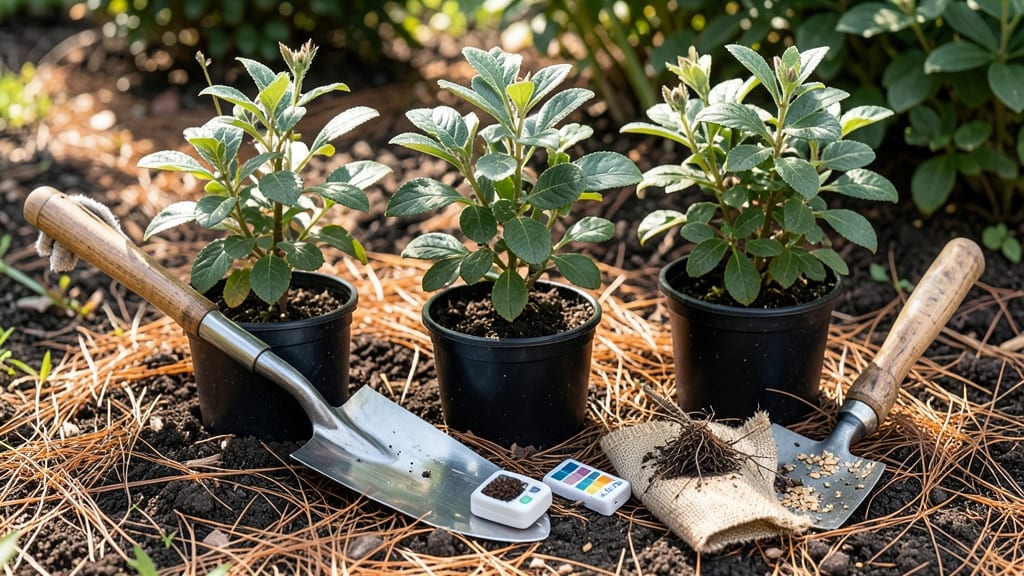
If you’ve ever wondered when to plant blueberries in Maryland, timing is the difference between thriving bushes and wasted effort. Maryland’s humid summers and unpredictable frost dates make blueberry planting tricky—but getting it right means sweet, bountiful harvests every July and August.
Most gardeners in USDA Zones 6b-7a swear by late winter to early spring (February through April) or fall (September-October) as the best windows. These periods give your 🫐 bushes the ideal start: cool soil, fewer pests, and time to establish roots before extreme heat or frost hits.
But here’s the catch: Maryland’s alkaline soil often fails blueberries unless you adjust the pH first. Without the right acidity (4.5–5.5), your plants may struggle to thrive—even with perfect timing.
I’ll walk you through the exact steps to prep your soil, choose the best varieties for your microclimate, and avoid common mistakes that kill blueberry bushes before they even fruit.
Ready to grow your own blueberries? Let’s break down the optimal planting schedule, soil secrets, and local challenges so you can enjoy homegrown berries year after year.
Maryland blueberry planting timeline by USDA Zone & frost dates
Maryland’s USDA Zones 6b-7a mean your blueberry planting window hinges on last frost dates and soil temperatures. Most gardeners in Baltimore, Frederick, and Annapolis can plant between late February and early April for spring, or September to October for fall.
The key? Avoid planting when soil temps dip below 40°F, which stunts root growth.
Check your exact last frost date using the NOAA Climate Data tool (search for your county). For example, Western Maryland (Zone 6b) typically sees its last frost around April 15, while Eastern Maryland (Zone 7a) may wait until April 25.
Planting 4-6 weeks before these dates gives roots time to establish before summer heat arrives.
For bare-root plants, aim for late winter (February) when soil is workable but not frozen. Potted blueberries, however, can go in until early April since their roots won’t freeze. Fall planting (September-October) is ideal for Zone 6b gardeners—roots grow slowly in cooler temps, reducing transplant shock.
🌱 Pro Tip: If you miss the spring window, don’t panic. Container-grown blueberries can handle light frosts and are perfect for Maryland’s short growing season. Just mulch heavily after planting to insulate roots.
| Stage | Action | USDA Zone 6b | USDA Zone 7a |
|---|---|---|---|
| Soil Prep | Test pH, amend with sulfur | February | February |
| Spring Planting | Bare-root or potted | Late Feb–April 15 | Late Feb–April 25 |
| Fall Planting | Potted plants only | September–October | September–October |
| First Frost | Mulch heavily | Mid-November | Mid-November |
| Harvest Window | Mid-July to August | 90–120 days post-plant | 90–120 days post-plant |
Spring planting offers a longer growing season for first-year fruit, but fall planting reduces stress on young roots. If you’re in Zone 6b, prioritize fall planting—it’s safer from late frosts. For Zone 7a, both windows work, but spring gives you a head start on summer heat.
💡 Maryland-Specific Tip: If you’re near the Chesapeake Bay or Atlantic Coast, expect later frosts due to coastal moderation. Delay planting by 1-2 weeks and monitor local weather forecasts for microclimate shifts.
After planting, water deeply (1-2 gallons per plant) and mulch with 3 inches of pine needles or wood chips to maintain soil acidity. Avoid synthetic mulches—they can raise pH over time, harming your blueberries.
✂️ Pruning Note: Wait until late winter (February) to prune—this coincides with your spring planting prep and helps stimulate new growth before the June flowering phase.
Soil pH requirements for blueberries in Maryland: testing & adjustment guide
Maryland’s native soil is often too alkaline for blueberries, which thrive in acidic soil (pH 4.5–5.5). Without proper pH, your bushes will struggle to absorb nutrients, leading to yellow leaves, poor growth, and zero fruit production.
The good news? Testing and adjusting your soil is straightforward with the right tools and techniques.
Start by testing your soil’s current pH using a home test kit or send a sample to the University of Maryland Extension Soil Testing Lab. Most Maryland gardens register between 6.0 and 7.5, far above the ideal range.
If your soil is too alkaline, you’ll need to lower the pH with sulfur or organic amendments like peat moss or pine needles.
⚠️ ⚠️ WARNING: Common Mistake ⚠️
Over-acidifying your soil can harm other plants in your garden. Blueberries are the only crop that truly need this extreme acidity—most vegetables and flowers prefer a neutral pH (6.0–7.0). Always test after amendments and wait 2–3 months before planting to avoid shocking the roots.
For organic gardeners, pine bark fines or sphagnum peat moss are excellent amendments. Mix 2–3 inches into the planting hole and top-dress annually with cottonseed meal (1 lb per 100 sq ft).
This slow-release nitrogen also boosts acidity over time. Inorganic options like elemental sulfur work faster but require careful measurement—too much can burn roots.
Monitor your soil’s pH annually, especially after heavy rains or if you’ve amended it recently. Maryland’s clay-heavy soils can buffer pH changes, so you may need to reapply amendments every 1–2 years. Keep a garden journal to track adjustments and note any changes in plant health.
If your soil is too acidic (below 4.5), raise the pH with lime or wood ash. Sprinkle lightly and water thoroughly, then retest in 4–6 weeks. Remember, blueberries are picky but worth it—once you nail the pH, you’ll enjoy juicy, homegrown berries for years.
🌱 For container growers, use an acidic potting mix (like those labeled for azaleas or rhododendrons) and add sulfur-coated urea annually. Containers dry out faster, so check moisture weekly and adjust pH as needed.