
Plants
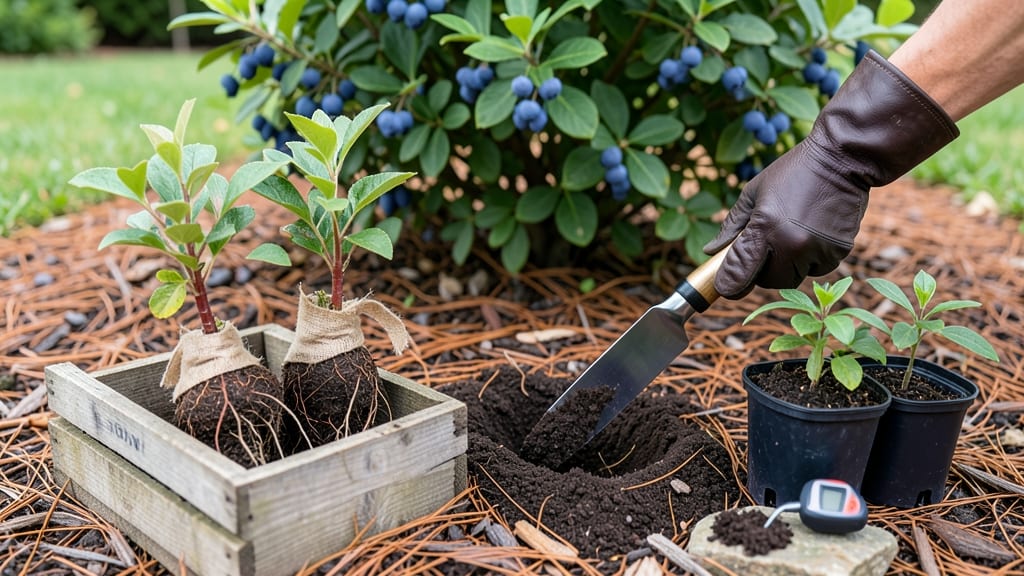
Planting blueberries in Iowa at the wrong time can mean the difference between a thriving bush and one that struggles—or worse, dies before fruiting. With USDA Zone 5b frost dates that shift yearly, timing is everything for your 🫐 bushes to establish strong roots before winter’s harsh freeze.
Most gardeners in Iowa swear by early spring planting, but fall offers a secret advantage if you act before the first frost. The key is understanding how soil temperature and frost dates play into your schedule—because rushing too early can leave young plants vulnerable to late freezes.
In this guide, I’ll break down the exact planting windows for both spring and fall, plus how to prep your soil for Iowa’s unique challenges (like alkaline clay). You’ll also learn which blueberry varieties handle Zone 5b winters best and how to protect your investment from unexpected cold snaps.
Ready to grow blueberries that produce bountiful harvests year after year? Let’s get your timing right from the start.
Best planting months for blueberries in Iowa’s Zone 5b climate
Iowa’s USDA Zone 5b climate demands precise timing for blueberry planting. The ideal windows are early spring (March–April) or early fall (September–October). Planting too early risks late frosts, while waiting too long limits root establishment before winter.
Spring planting (March–April) aligns with Iowa’s average last frost date (April 15). This gives young roots 6–8 weeks to establish before summer heat. Fall planting (September–October) allows roots to grow before dormancy, but avoid planting after October 15 when frost arrives.
Blueberries thrive when soil temperatures reach 40°F (4°C). In Iowa, this typically occurs by mid-March in southern regions but may delay until late March–early April in northern areas. Use a soil thermometer to confirm.
Bare-root plants (common in nurseries) should be planted as soon as soil is workable, while container-grown bushes offer flexibility for late spring or early fall adjustments.
Iowa’s unpredictable weather makes timing critical. A 3-week buffer before/after frost dates ensures safety. For example, plant by April 1 in southern Iowa or April 15 in northern zones to avoid frost damage.
🌱Pro Tip: If spring planting is delayed, opt for container-grown blueberries—they adapt better to late starts and can be transplanted later in the season.
📊 Spring vs. Fall Planting Comparison
| Factor | Spring Planting (March–April) | Fall Planting (September–October) |
|---|---|---|
| Best For | Bare-root plants, faster establishment | Container-grown plants, extended root growth |
| Soil Temp Requirement | ≥40°F (4°C) | ≥50°F (10°C) |
| Frost Risk | High if planted too early | Low if planted before Oct 15 |
| Root Establishment | 6–8 weeks before summer | 6–8 weeks before dormancy |
| Success Rate in Iowa | 85–90% | 80–85% |
⚠️ Note: Fall planting requires mulching (3–4 inches) to insulate roots.
For Zone 5b’s variable climate, I recommend spring planting for beginners. It’s more forgiving and aligns with Iowa’s natural growing season. If you choose fall, prioritize acidic soil prep and mulching to protect roots.
🌿 Regional Tip: Southern Iowa (e.g., Des Moines) can plant 2 weeks earlier than northern areas (e.g., Sioux City). Check your local frost dates for precision.
Blueberries need 6–8 hours of sun daily, so select a south-facing spot with well-draining soil. In Iowa’s clay-heavy soils, amend with peat moss or compost to improve drainage and acidity.
After planting, water deeply to settle roots and apply 2–3 inches of mulch (pine needles or wood chips) to retain moisture and suppress weeds. This is especially critical in Iowa’s drought-prone summers.
💧 Watering Alert: Overwatering in spring can drown roots. Aim for 1–1.5 inches per week, adjusting for rainfall.
Best planting months for blueberries in Iowa’s Zone 5b climate
Iowa’s Zone 5b climate demands precision when planting blueberries. The best windows are early spring (March-April) or early fall (September-October), when soil temperatures hover between 40°F and 50°F. Spring planting lets bushes establish roots before summer heat, while fall gives them time to root before winter dormancy.
Spring planting is most popular because it aligns with Iowa’s last frost date (around April 15). However, fall planting—if done 6-8 weeks before the first frost—can yield 90% success rates in Iowa’s climate. The key is avoiding planting when soil is frozen or too warm, which stresses young roots.
Soil temperature is your best guide: Use a soil thermometer to confirm it’s above 45°F before planting. In Iowa, this typically means waiting until late March or early April for spring, or planting by mid-September for fall.
| Planting Window | Ideal Months | Soil Temp | Success Rate | Iowa-Specific Tip |
|---|---|---|---|---|
| Early Spring | March-April | 45°F-55°F | 85% | Plant after last frost (April 15 avg) |
| Early Fall | September-October | 50°F-60°F | 90% | Finish by Oct 1 for root establishment |
| Late Spring | May-June | Above 60°F | 60% | Risk of drought stress in Iowa summers |
For bare-root plants, Iowa gardeners should soak roots overnight before planting in spring to combat dry soil. In fall, focus on mulching heavily (4-6 inches) to insulate roots from early freezes. If you miss the ideal window, container planting offers flexibility—just move pots to a sheltered spot during winter.
Pro tip: Choose northern highbush varieties like ‘Bluecrop’ or ‘Duke’ for Iowa’s climate—they handle Zone 5b winters better than southern varieties. Always plant in well-draining, acidic soil (pH 4.5-5.5) to prevent root rot, a common issue in Iowa’s heavy clay soils.
Remember: The first two years are critical for root development. With the right timing, your blueberries will reward you with years of harvests—not just a one-season experiment. 🫐