
Plants
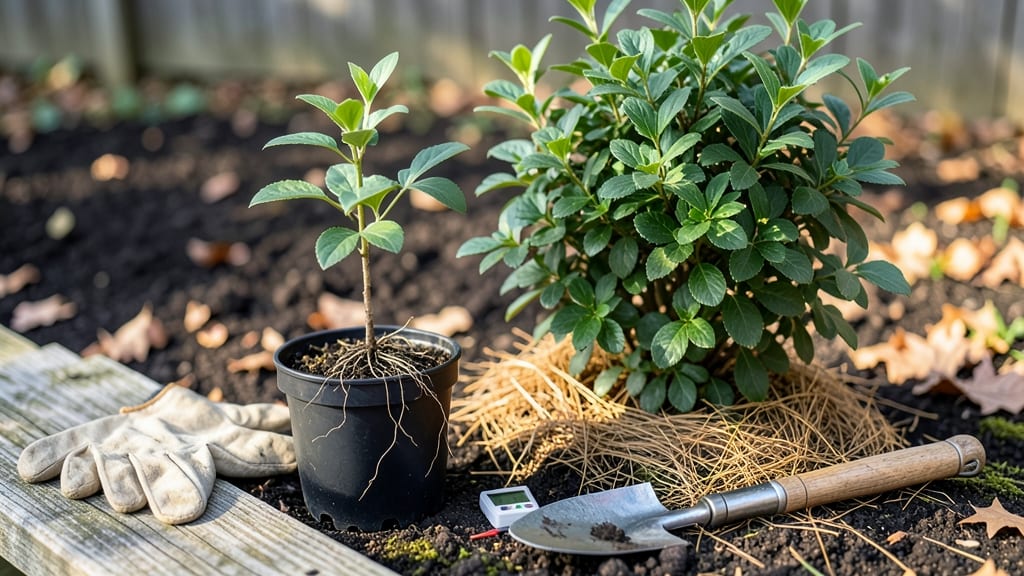
Planting your 🫐 blueberry bushes at the wrong time in Georgia could mean watching them struggle through brutal summer heat instead of thriving for years to come. The key to success lies in understanding Georgia's unique climate—where fall planting often outshines spring for Southern growers in zones 7b-8b.
Most gardeners assume spring is the only window, but the truth is that late fall (October-March) gives your bushes a head start before the heat arrives. This timing lets roots establish deeply before Georgia's intense summers, giving you stronger plants that produce bigger harvests in May-July.
I've seen firsthand how proper timing can transform a struggling blueberry patch into a productive powerhouse. Let me show you exactly when to plant, how to prepare your soil for Georgia's acidic needs, and what mistakes to avoid that could cost you your entire crop.
Whether you're a first-time gardener or a seasoned pro, these Georgia-specific secrets will help you grow blueberries that outperform the neighborhood bushes. Ready to get started?
Best planting times for blueberry bushes in Georgia’s climate zones
Georgia’s USDA zones 7b-8b create unique challenges for blueberry growers, but the right timing can set your bushes up for years of abundant harvests. Unlike northern climates, Southern gardeners have a shorter optimal window due to extreme heat and humidity—so choosing between fall or spring planting is critical.
Most Georgia gardeners swear by fall planting (October-November) because cooler temperatures help roots establish before summer’s brutal heat. Spring planting (February-March) works too, but requires extra soil moisture to prevent transplant shock during Georgia’s sudden heat spikes.
Here’s the key difference: Fall-planted bushes enter dormancy naturally, while spring-planted bushes face immediate stress from high temperatures and drought. The comparison below breaks down which approach works best for your specific Georgia microclimate.
| Planting Window | Best Georgia Months | Root Establishment | Heat Stress Risk | Best For |
|---|---|---|---|---|
| Fall Planting | October-November | Excellent (cooler temps) | Low (dormancy period) | Most Georgia gardeners |
| Spring Planting | February-March | Moderate (requires moisture) | High (summer heat) | Urgent replacements |
| Avoid Planting | April-September | Poor (extreme heat) | Very High (transplant shock) | Never recommended |
For Northern Georgia (zones 7b), aim for October 15-November 15 when soil temps drop below 75°F. In Central/Southern Georgia (zones 8a-8b), plant by November 1 to avoid winter rains that can drown roots.
Both regions should avoid planting after November 15—roots won’t establish before summer’s heat arrives.
Pro tip: Southern Georgia gardeners often get better results with bare-root plants in fall, as they establish faster than container-grown bushes. If you must plant in spring, soak roots overnight before transplanting to combat drought stress.
Remember: Blueberries hate wet feet—Georgia’s heavy clay soils need amendments with sand and peat moss to prevent root rot. We’ll cover soil prep in detail in the next section, but for now, mark your calendar for October-November planting if you want the healthiest bushes.
Once planted, your bushes will need 1-2 years to mature before producing significant fruit. But with Georgia’s long growing season, you’ll get two harvest windows: early season (May) and late season (July). That’s why getting the timing right now pays off for years.
🌱
How Georgia’s heat and humidity affect blueberry planting success
Georgia’s humid subtropical climate creates unique challenges for blueberry bushes that most gardeners don’t anticipate. The combination of high summer heat and heavy humidity can stress your plants if you’re not prepared.
Unlike northern climates, where cold winters are the main concern, Southern gardeners must focus on soil acidity maintenance and heat tolerance strategies to keep bushes thriving.
One of the biggest mistakes I see is planting without adjusting for Georgia’s acidic soil requirements. Blueberries need a pH between 4.5-5.5, but Georgia’s native soil is often alkaline. Without proper amendments, your bushes will struggle to absorb nutrients, leading to stunted growth and poor fruit production.
The good news? With the right prep, you can create an ideal environment for these finicky shrubs.
Here’s the critical factor most Southern gardeners overlook: irrigating properly. Blueberries need consistent moisture, but Georgia’s heat causes rapid evaporation.
I recommend drip irrigation systems to deliver water directly to the roots while keeping foliage dry—a must to prevent fungal diseases like botrytis blight, which thrives in our humid summers.
⚠️ Critical Warning: Avoid These Georgia-Specific Mistakes
Planting blueberries in non-acidic soil will cause nutrient deficiencies that stunt growth. Georgia’s summer heat waves can scorch young plants if not properly mulched. Never use alkaline fertilizers—they’ll raise soil pH and kill your bushes.
Another key adaptation is choosing the right blueberry varieties for our climate. Southern Highbush varieties like ‘Peach Sorbet’ and ‘Climax’ perform exceptionally well in Georgia’s heat. These varieties were bred to handle our long, hot summers while still producing sweet, plump berries.
If you’re planting in Zone 8b, these varieties will give you the best chance at consistent harvests.
Don’t forget about mulching strategies—this is where many Georgia gardeners drop the ball. A 3-4 inch layer of pine straw or wood chips helps maintain soil moisture, regulates temperature, and slowly acidifies the soil over time.
I’ve seen bushes in unmulched beds struggle during our 90+ degree summers, while properly mulched plants continue thriving.
Finally, watch for heat stress signs like wilting leaves or yellowing foliage. These are your bushes’ way of saying, “I need help!” At this point, increase watering slightly and provide afternoon shade with lightweight shade cloth if temperatures exceed 95°F.
With these adjustments, your blueberry bushes will not only survive Georgia’s climate—they’ll thrive and produce bountiful harvests year after year.