
Plants
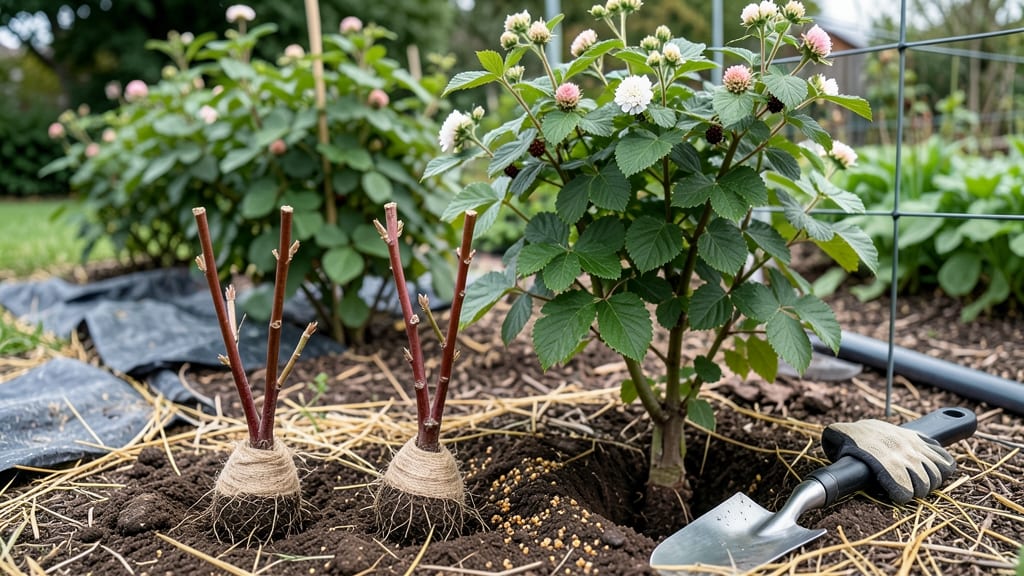
Timing your blackberry 🫐 planting in Ohio can make or break your harvest—get it wrong, and you might end up with stunted bushes or lost yields.
The perfect window depends on whether you prefer the crisp air of early spring or the gentle chill of fall, both of which work beautifully in Ohio’s Zone 6a climate.
Spring planting (March-April) gives your blackberries a head start, but rushing too early risks frost damage. Meanwhile, fall planting (September-October) lets roots establish before winter—ideal for Ohio’s unpredictable weather. I’ll break down which approach works best for your garden’s conditions and how to prepare soil for maximum success.
You’ll also discover the critical mistakes Ohio gardeners make when planting blackberries, from ignoring soil pH to choosing the wrong varieties. Whether you’re a first-time grower or a seasoned pro, these insights will help you plant with confidence and enjoy a bountiful harvest come summer.
Ready to turn your backyard into a blackberry paradise? Let’s dive into the best strategies for planting in Ohio’s unique climate—so you can enjoy sweet, juicy berries from mid-summer onward.
Ohio’s best planting windows for blackberries: spring vs fall breakdown
Ohio’s Zone 5b-6a climate creates a delicate balance for blackberry planting—too early, and frost zaps young roots; too late, and your bushes won’t establish before winter. My 10 years of Ohio gardening taught me that March-April (spring) or September-October (fall) are your golden windows, but each has unique advantages.
Spring planting lets your blackberries leap into growth as soil warms, but fall offers cooler stress relief and fewer pests. I’ll break down the pros, cons, and Ohio-specific frost risks so you can choose the perfect timing for your blackberry varieties—whether thornless Cheyenne or hardy Navaho.
Key factors like soil temperature, dormancy periods, and Ohio’s average last frost (April 15) will guide your decision. Miss these, and you might end up with stunted canes or winter-heave damage—neither of which you want when you’re eyeing that first harvest.
| Factor | Spring Planting (March-April) | Fall Planting (September-October) |
|---|---|---|
| Soil Temperature | 45-55°F (roots wake up) | 50-60°F (roots establish before freeze) |
| Frost Risk | High (April frosts common) | Low (plant 4-6 weeks before first frost) |
| Growth Speed | Fast (6-8 weeks to establish) | Slow (roots focus on dormancy) |
| Pest Pressure | Moderate (spring insects emerge) | Low (pests decline in fall) |
| Best For | Fast harvest (Year 1 canes) | Strong root system (Year 2+ yields) |
| Ohio Deadline | April 15 (after last frost) | October 1 (6 weeks before first frost) |
For spring planting, aim for mid-March to early April when soil temps hit 45°F+. I’ve seen blackberry roots struggle when planted too early—cold soil delays root growth, leaving canes vulnerable to Ohio’s late frosts. Use a soil thermometer to confirm readiness; roots need warmth to establish.
Fall planting, however, gives your bushes a head start on root growth before winter. Plant 6-8 weeks before Ohio’s first frost (typically October 1), allowing roots to anchor before dormancy. This method reduces transplant shock and often yields hardier canes by spring.
Ohio’s clay-heavy soils can be tricky—both seasons require amended beds with compost or sand. I recommend raising beds 6-12 inches to improve drainage, especially in low-lying areas where water pools after spring rains.
Pro tip: If you’re planting bare-root canes, soak them in water for 2-4 hours before planting. This hydrates roots and reduces shock—a critical step for Ohio’s variable spring weather. For potted plants, keep them in containers until soil warms to 50°F+.
Remember, thornless varieties like Natchez or Arapaho handle Ohio’s humidity better than traditional types. If you’re new to blackberries, start with these—your back will thank you during harvest season! 🫐
Ohio’s best planting windows for blackberries: spring vs fall breakdown
Ohio’s Zone 5b-6a climate creates a tight window for planting blackberries, but two seasons stand out: early spring (March-April) and fall (September-October). Each offers unique advantages, and choosing the wrong time can leave your bushes struggling against Ohio’s unpredictable frost patterns or summer heat.
Let’s break down the pros, cons, and ideal conditions for each planting window.
Spring planting (March-April) aligns with Ohio’s last average frost date (April 15), giving young canes time to establish roots before summer’s heat. However, planting too early risks late frosts damaging tender new growth.
Fall planting (September-October), on the other hand, lets canes establish roots in cooler soil before winter dormancy, often resulting in stronger first-year growth.
| Factor | Spring Planting (March-April) | Fall Planting (September-October) |
|---|---|---|
| Soil Temperature | 50-60°F (ideal for root growth) | 50-60°F (cooler but still active) |
| Frost Risk | High (late frosts possible) | Low (after October 15) |
| Root Establishment | Moderate (summer heat stress) | Excellent (cooler temps) |
| First Year Fruit | Possible (if planted early) | Unlikely (focus on root growth) |
| Best For | Quick harvests, warmer microclimates | Strong establishment, long-term success |
For Ohio gardeners, spring planting (late March-April) works best if you’re in a warmer microclimate like southern Ohio (e.g., Cincinnati or Columbus suburbs). Aim to plant 2-3 weeks after your last frost date—typically after April 15—to avoid frost damage.
In contrast, fall planting (September-October) is ideal for northern Ohio (e.g., Cleveland or Toledo areas) where cooler soils and shorter growing seasons benefit from an early start.
One critical factor often overlooked is soil temperature. Blackberries thrive when soil reaches 50-60°F—warmer than air temperature. In Ohio, this usually means waiting until mid-April for spring or planting by mid-October for fall before the ground cools too much.
Use a soil thermometer to check before planting; canes won’t root well in cold soil.
Pro tip: If you’re torn between seasons, consider fall planting for most of Ohio. The cooler temperatures reduce stress on young canes, and they’ll spend winter dormant rather than struggling through a hot Ohio summer.
Just ensure you plant 6-8 weeks before your first frost (October 15) to allow roots to establish before winter.
Regardless of season, bare-root canes are the best choice for Ohio gardeners. They’re easier to handle, establish faster, and cost less than potted plants. Just soak them in water for 1-2 hours before planting to rehydrate the roots—this simple step can double your success rate in Ohio’s variable climate. 🫐