
Plants
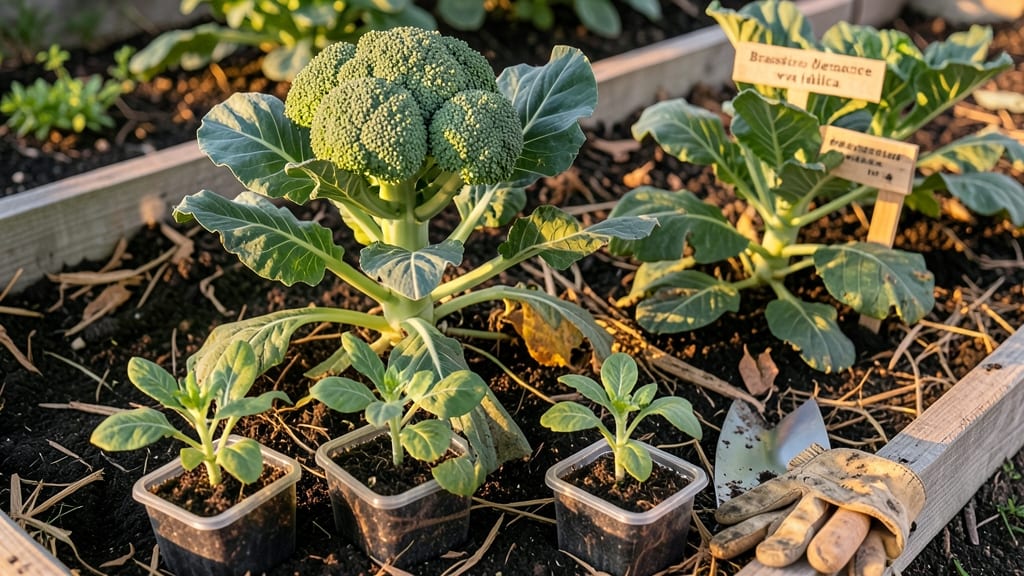
Timing your 🥦 broccoli planting in Zone 7b isn’t just about the calendar—it’s the difference between a garden full of tender, flavorful heads and bitter, bolted disappointment.
Plant too early, and you’ll battle frost; too late, and the summer heat will send your plants running to flower before they’ve even formed a decent head.
Here’s the truth: Zone 7b’s two best windows—early spring and fall—are your golden opportunities, but getting the details right makes all the difference.
Whether you’re starting seeds indoors or sowing directly, I’ll break down the exact weeks to plant, frost considerations, and how to avoid the dreaded bolting that ruins so many gardens.
You don’t need a green thumb to grow great broccoli, but you do need to know when to put those seeds in the ground. Let’s cut through the guesswork so you can enjoy fresh, homegrown 🥦 broccoli from May to November without the stress.
From succession planting to heat-tolerant varieties, I’ll share the game-changer tips that keep your broccoli thriving—no matter which season you choose. Ready to plant with confidence?
Optimal broccoli planting windows in Zone 7B: spring vs fall timing
In Zone 7B, broccoli grows best during cool spring and fall temperatures, avoiding the summer heat that triggers bolting. The key is timing your plantings around last frost dates (March 15) and first frost dates (November 15) to maximize yield.
Let’s break down the two best windows for planting broccoli in your region.
Spring planting should begin 4-6 weeks before your last frost date, typically in late February to early March. This gives seedlings time to establish roots before soil temperatures warm up.
Fall planting, on the other hand, requires seeds to be sown 8-10 weeks before the first frost, usually in late July to early August for a late-season harvest.
Here’s why these timings matter: Broccoli thrives in 50-70°F soil temperatures. Planting too early in cold soil slows germination, while planting too late risks exposing plants to heat stress, causing bitter bolts. In Zone 7B, summer temperatures often exceed 90°F, which is lethal for broccoli growth.
🌱
| Planting Window | Best Time in Zone 7B | Soil Temperature | Key Considerations |
|---|---|---|---|
| Spring Planting | Late February - Early March | 50-65°F | Start seeds indoors 6-8 weeks before last frost for faster growth. |
| Fall Planting | Late July - Early August | 60-70°F | Sow seeds directly in garden for cooler fall soil temperatures. |
For spring plantings, I recommend starting seeds indoors in late January to give them a head start. Use grow lights if natural light is limited, and transplant seedlings outdoors 2-3 weeks before the last frost date.
Hardening off seedlings is critical—expose them to outdoor conditions gradually over 7-10 days to prevent transplant shock.
Fall plantings are equally important for a second harvest. In Zone 7B, late-summer heat can be intense, so focus on shade cloth or choosing heat-tolerant varieties like ‘De Cicco’ or ‘Waltham 29’. Direct-sow seeds in well-draining soil with organic compost to improve fertility and moisture retention.
One common mistake gardeners make is planting broccoli too close to summer solstice. The long daylight hours and heat trigger bolting, ruining your crop. To avoid this, always aim for early spring or late summer plantings, never mid-summer.
If you miss these windows, consider container gardening for cooler microclimates or shade structures.
🌡️
Microclimates in Zone 7B can vary significantly. For example, urban areas may experience heat islands with warmer soil temperatures, while rural or elevated gardens stay cooler longer. Use a soil thermometer to monitor temperatures—ideal planting soil should be at least 50°F.
If your soil is too cold, wait a few days or use black plastic mulch to warm it up faster.
Finally, always keep an eye on your local frost dates, as they can shift slightly year to year. Check resources like the National Weather Service or Almanac for updates.
With the right timing, you can enjoy two bountiful broccoli harvests in Zone 7B—one in late spring and another in early fall!
Optimal broccoli planting windows in Zone 7B: spring vs fall timing
In Zone 7B, timing is everything when growing broccoli—plant too early, and frost will damage seedlings; too late, and summer heat triggers bolting. The sweet spot? Early spring (March-April) and early fall (August-September) for two bountiful harvests.
These windows align with soil temperatures between 45°F and 85°F, ideal for germination and head formation.
Spring planting should begin 4-6 weeks before your last frost date (typically March 15 in Zone 7B). Start seeds indoors 6-8 weeks beforehand if your spring is unpredictable.
For fall, aim to sow seeds 8-10 weeks before the first frost (usually November 15), giving plants enough time to mature before winter sets in.
| Planting Window | Best Months | Soil Temp | Frost Risk | Harvest Window |
|---|---|---|---|---|
| Spring | March-April | 45°F-65°F | Low (post-last frost) | May-June |
| Fall | August-September | 55°F-75°F | Moderate (pre-first frost) | October-November |
Zone 7B gardeners often overlook succession planting in spring, but sowing seeds every 2-3 weeks from March through May extends your harvest. For fall, prioritize heat-tolerant varieties like 'Belstar' or 'De Cicco' to handle late-summer warmth before temperatures drop.
Avoid planting in July or August—broccoli despises summer heat and will bolt quickly.
Pay attention to microclimates in your Zone 7B area. South-facing beds warm up faster in spring, while north-facing spots stay cooler longer. Use this to your advantage: plant heat-sensitive varieties on north sides and heat-tolerant ones on south sides.
Always test soil temperatures with a thermometer—broccoli seeds need 45°F soil to germinate reliably.
Pro tip: Mark your last frost date and count backward. For spring, plant when daytime highs consistently reach 50°F; for fall, stop planting when nights dip below 50°F.
This simple rule prevents wasted effort on plants that won’t survive. In Zone 7B, patience pays off—rushing leads to bitter, bolted broccoli.
Remember, broccoli is a cool-season crop, so treat it like a spring and fall specialist. Summer is its off-season—use that time to plan your next planting window or let the bed rest.
With these timing guidelines, you’ll enjoy crisp, sweet heads twice a year instead of struggling with failed crops.