
Planting
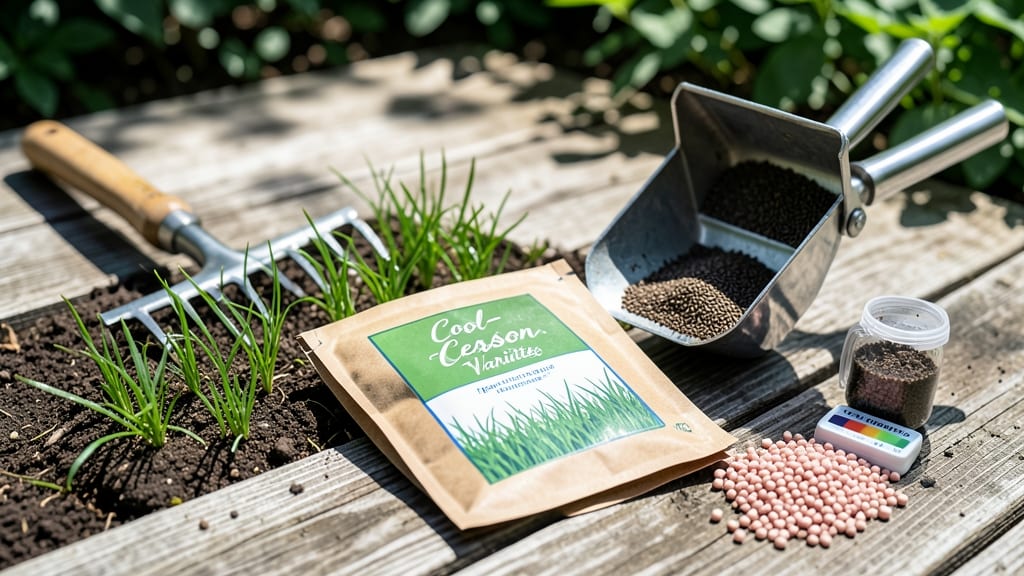
Planting grass seed at the wrong time in Massachusetts can mean wasted money and months of patchy lawns—especially when temperatures and soil conditions aren’t ideal. But timing it just right ensures thick, lush growth within weeks, not seasons.
If you’ve ever stared at your lawn in frustration, wondering why your grass isn’t taking hold, the answer might be simpler than you think: soil temperature and seasonal timing are the real game-changers.
In zones 6a-7b, like most of Massachusetts, the difference between a fast, vibrant lawn and a slow, uneven mess comes down to planting in the right window.
I’ve seen firsthand how a few weeks’ difference can transform a struggling yard into a lush, green space. Whether you’re tackling a new lawn or just overseeding, knowing the exact months to plant—plus how to prep your soil—makes all the difference.
Let’s break down the best times and tips to get your grass off to the fastest start possible.
From coastal areas to inland regions, Massachusetts’ climate varies, and so do the ideal planting dates. You’ll discover how to avoid common pitfalls, like planting too early when frost lingers or too late when summer heat slows germination.
Ready to turn your yard into the envy of the neighborhood? Let’s get started.
Massachusetts grass planting calendar: best months by hardiness zone (USDA 5-6)
Massachusetts spans USDA hardiness zones 5-6, meaning your exact planting window depends on whether you're in coastal zone 6b (warmer) or inland zone 5b (cooler). For most of the state, the sweet spot is early spring or early fall—when soil temperatures hover between 50-65°F and frost risk is low.
Planting outside this range often leads to poor germination or seedling death.
Cooler-season grasses like tall fescue and Kentucky bluegrass (the most common types in MA) thrive when planted 4-6 weeks before the last frost or after the first frost in fall.
Warm-season grasses like zoysia (less common in MA) need late spring planting after soil warms to 65°F+. Let’s break it down by zone and season.
🌱 Massachusetts Grass Planting Calendar
| Zone | Spring Planting Window | Fall Planting Window | Soil Temp Threshold | Key Risk |
|---|---|---|---|---|
| 6b (Coastal) | Mid-March to early May | Late August to mid-October | 50-65°F | Late frost |
| 5b (Inland) | Late March to early May | Late September to early October | 50-65°F | Early frost |
| All Zones | Avoid June-August | Stop by October 15 | N/A | Heat stress |
💡 Pro Tip: Use a soil thermometer ($10 at garden centers) to confirm temps before planting. Seed won’t germinate below 50°F.
Spring planting is ideal because it gives grass 6-8 weeks of growth before summer heat arrives.
However, if you miss spring, fall planting (after Labor Day) works almost as well—just stop by October 15 to avoid early frosts. Never plant in summer; the heat dries out seeds before they sprout.
For overseeding (adding seed to an existing lawn), aim for early fall (September-October). This takes advantage of cooler temps and frequent rain, giving new seedlings a head start before winter. Just mow short (1-1.5 inches) and remove debris first to expose soil.
If you’re in western MA (e.g., Worcester, Springfield), expect 1-2 weeks later planting dates than coastal areas like Boston or Cape Cod. Check your local frost dates (NOAA’s Frost/Freeze Product is free) to fine-tune timing.
For example, Springfield’s last frost averages April 22, while Providence’s is April 10.
One common mistake? Planting too early in spring when soil is still cold and wet. This causes seed rot or fungal diseases. Wait until you can dig 6 inches deep and the soil feels like a wrung-out sponge—not soggy.
A simple hand test works: if the soil crumbles when dry, it’s ready.
For new lawns, spread seed when forecasts predict rain within 3-5 days. If dry conditions persist, water lightly 2x daily (morning/evening) until germination occurs (7-21 days, depending on variety). Never let the seedbed dry out during this critical window.
🌱 Key Takeaway: In Massachusetts, spring (March-April) and early fall (September-October) are your best bets. Use soil temperature and frost dates as your guide—not just the calendar.
5 Critical factors that determine your exact planting date in MA
Massachusetts’ climate varies dramatically between coastal areas and inland regions, which means your exact planting window depends on more than just months.
I’ve planted grass seed across USDA zones 6a-7b and learned that soil temperature, rainfall patterns, and even grass seed type dictate the perfect week to plant for your specific location.
For example, coastal regions like Barnstable County often have milder winters, allowing for earlier spring planting (as early as late February) compared to inland areas like Hampden County, where frost can linger until mid-April. These microclimates mean you can’t just follow a one-size-fits-all calendar.
Here are the 5 critical factors that will help you pinpoint the best week to plant grass seed in your Massachusetts yard:
For instance, if you’re in Boston (Zone 6b), your ideal window is mid-April to early May for spring planting, while Western MA (Zone 5b) should wait until late April to mid-May. These factors ensure your grass seed germinates quickly and establishes strong roots before summer heat sets in.
Pro tip: Use the Massachusetts Agricultural Extension Service’s frost date maps to fine-tune your timing. I’ve found that even a 1-2 week difference can mean the difference between a thick lawn and a patchy mess.