
Plants
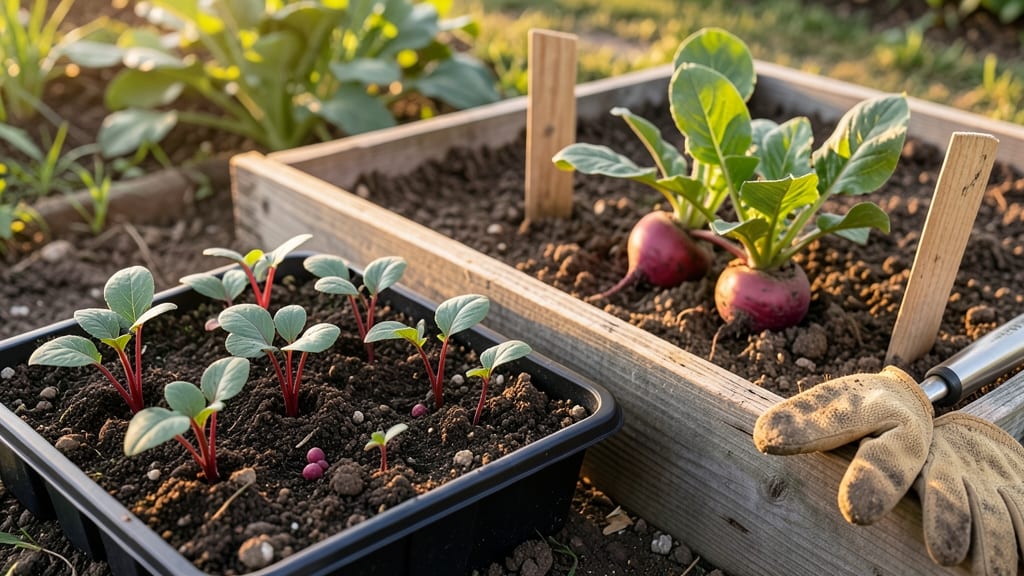
If you’ve ever planted beets in Zone 9 only to pull a bitter, tough root and wonder, "When to plant beets in zone 9 for the best results?"—the answer lies in timing.
Planting beets 🍠 when temperatures are mild (not scorching) is the key to sweet, tender harvests all season long.
Zone 9's long growing season means you can skip the summer heat entirely and focus on two perfect windows: fall and spring. I’ll show you exactly when to plant for zero-bolt beets, plus how to stretch your harvest from November through May without stress.
No more wasted effort or sad, woody roots—just consistent, delicious beets. Let’s dive into the best months to plant, soil prep secrets, and how to protect your crop from Zone 9's tricky microclimates.
Ready to grow beets that taste fresh from the garden? Here’s your step-by-step guide to beating the heat and bolting for good.
Optimal Zone 9 beet planting calendar: avoid bolting with fall & spring windows
In Zone 9, where summer temperatures can soar past 90°F, beets bolt quickly—turning bitter and tough. The key to sweet, tender harvests? Planting during cool-season windows when soil temps stay below 75°F. My best results come from two prime planting windows: late summer/fall and early spring.
Fall planting starts in September and continues until November, while spring planting begins in February and wraps up by April. These windows align with cooler temps and consistent moisture, both critical for preventing bolting.
Let’s break down the exact timing, soil prep, and microclimate tips to maximize your harvest.
| Planting Window | Ideal Planting Months | Soil Temp Threshold | Harvest Window | Key Tip |
|---|---|---|---|---|
| Fall | September–November | Below 75°F | November–March | Use row covers to extend harvest into winter. |
| Spring | February–April | Above 50°F | April–June | Avoid planting after April 15 to prevent bolting. |
| Succession Planting | Every 2–3 weeks | N/A | Ongoing harvests | Stagger plantings for continuous harvests. |
For fall planting, aim to sow seeds 6–8 weeks before your first expected cool snap (typically late September in Zone 9). This gives roots time to mature before winter sets in. In my garden, I’ve found that ‘Detroit Dark Red’ and ‘Golden’ varieties handle cooler temps best.
Spring planting requires patience—wait until soil temperatures rise above 50°F (usually late February or early March). If you plant too early, slow germination leads to overcrowding and bolting. My trick? Use a soil thermometer to confirm temps before seeding.
Microclimates matter in Zone 9. If your garden gets hot afternoon sun, opt for partial shade during peak heat (12–3 PM). I’ve had success growing beets under drip irrigation paired with mulch to keep roots cool. This simple combo can add 2–3 weeks to your harvest window.
Pro tip: Direct-sow seeds—beets hate transplanting. Drop seeds ½ inch deep, 1 inch apart, and thin to 3–4 inches once sprouts emerge. Overcrowding stresses plants, triggering bolting. In my experience, thinning early prevents competition and yields sweeter roots.
Don’t overlook succession planting. Sow new seeds every 2–3 weeks during both fall and spring windows. This ensures a steady supply of fresh beets without gaps.
For example, my first fall planting in early September yields harvests by November, while a second planting in late October keeps me harvesting through December.
If you’re new to beet growing, start with ‘Babybeat’ or ‘Little Ball’ varieties—they mature in just 45–50 days, perfect for beginners. These compact types also thrive in container gardens, making them ideal for small spaces or balconies in Zone 9.
Finally, always check your local frost dates—even in Zone 9, unexpected cold snaps can occur. Use lightweight row covers to protect young seedlings if temps dip below 40°F. With the right timing and care, you’ll enjoy sweet, zero-bolt beets from fall through spring.
Optimal Zone 9 beet planting calendar: avoid bolting with fall & spring windows
Zone 9’s warm winters and scorching summers make beet planting timing the difference between sweet harvests and bitter, bolted failures. Unlike cooler climates, we skip summer entirely—focus instead on fall and spring windows when soil temps stay between 50°F and 75°F.
This range prevents heat stress while ensuring steady growth.
Your two best planting windows are September–October for fall crops and February–March for spring harvests. Fall-planted beets mature before winter’s mild chill sets in, while spring plantings avoid summer’s extreme heat. Both strategies let you enjoy fresh beets from November through May without bolting.
| Planting Window | Ideal Months | Soil Temp | Harvest Window | Key Tip |
|---|---|---|---|---|
| Fall Planting | September–October | 50°F–70°F | November–January | Use row covers for winter protection |
| Spring Planting | February–March | 60°F–75°F | April–May | Plant heat-tolerant varieties like 'Detroit Dark Red' |
| Late Winter | January | 55°F–65°F | March–April | Best for microgreens or baby beets |
For fall plantings, aim to sow seeds 6–8 weeks before your first expected chill (even if Zone 9 rarely freezes). In my garden, that means late September for a November harvest. Use lightweight row covers in December to protect young plants from unexpected cold snaps—just 30°F can stunt growth.
Spring plantings require patience. Wait until soil temps rise above 60°F (test with a soil thermometer) before sowing. In Zone 9, that’s typically mid-February. Choose heat-tolerant varieties like 'Cylindra' or 'Chioggia' to push harvests into early summer before bolting kicks in.
Pro tip: Succession plant every 2 weeks in both windows to stagger harvests. This ensures a steady supply without overwhelming your garden space. Pair beets with radishes or lettuce—they thrive in the same conditions and act as natural pest deterrents.
Never plant beets in June or July. The combination of 90°F+ soil temps and long daylight hours triggers bolting within weeks. Instead, use that time to prep beds for fall or direct-sow heat-loving crops like okra or sweet potatoes.