
Plants
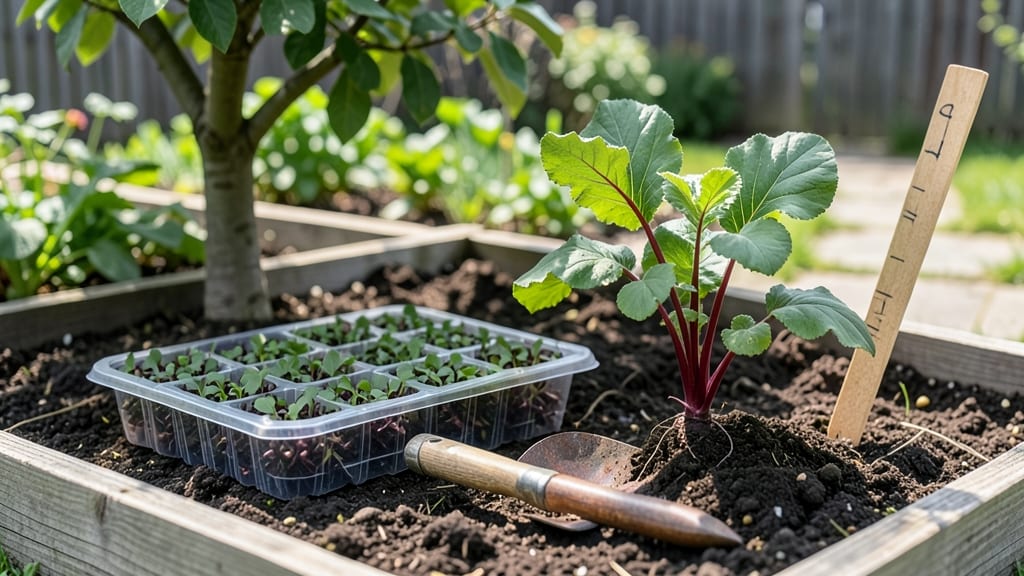
If you’ve ever wondered when to plant beets in South Carolina for the best results, you know timing is everything—especially in the state’s 7b-8a climate where heat and humidity can turn sweet 🍠 harvests into tough disappointments.
Planting beets at the wrong time risks bolting, a process where they sprout flowers instead of tender roots, ruining your crop before it even matures.
Here’s the secret: South Carolina gardeners get two prime windows to plant beets—February to March for spring harvests and August to September for fall—each with its own advantages. Skip these months, and you’ll deal with stunted growth, pests, or early frost damage.
I’ll show you exactly how to align your planting with SC’s microclimates, from coastal humidity to Piedmont heat, so you can enjoy crisp, flavorful beets from April through November.
Why does this matter? Because beets thrive in cooler weather, and South Carolina’s summers can push them into bolting faster than you think. The key is understanding your local frost dates, soil temperatures, and even shade patterns to stretch your growing season.
Whether you’re a beginner or a seasoned gardener, these strategies will help you avoid common mistakes and maximize your harvest—no guesswork required.
Ready to grow beets that are sweet, plentiful, and perfectly timed? Let’s dive into the exact steps to plant for success, from soil prep to succession planting, so you can enjoy homegrown 🍠 all season long.
South Carolina beet planting calendar: exact spring and fall dates to avoid bolting
Timing is everything when growing beets in South Carolina. The USDA Zones 7b-8a climate means we can grow two prime harvest windows—spring and fall—but getting the dates wrong leads to bitter, woody roots or premature bolting.
Let’s break down the ideal planting calendar to maximize sweetness and yield.
Spring planting starts 4-6 weeks before your last frost date, which in SC typically falls around mid-March. For most of the state, that means late February to early March is your sweet spot.
Fall planting, however, requires 80-90 days to mature before the first frost (usually mid-November), so aim for late August to early September.
Bolting risk spikes when soil temperatures exceed 80°F, so avoid summer planting unless you’re using shade cloth. In coastal areas (like Charleston), you can push fall planting slightly later, but Piedmont regions should stick to early September to beat the heat.
| Season | Planting Window | Soil Temp | Harvest Window | Bolting Risk |
|---|---|---|---|---|
| Spring | Late Feb - Early Mar | 50-65°F | April - May | Low |
| Fall | Late Aug - Early Sep | 60-75°F | October - Nov | Moderate |
| Extended Spring | Jan (coastal only) | 55-60°F | March | High (if late) |
🌱 Note: Coastal SC can plant 2-3 weeks later than Piedmont due to milder microclimates.
For coastal gardeners (like those in Charleston or Hilton Head), you can push spring planting into early January under row covers or in a greenhouse. However, Piedmont regions (e.g., Columbia or Greenville) should wait until mid-February to avoid cold soil stress.
Fall planting is trickier because heat waves in September can still trigger bolting. If your soil feels warmer than 75°F at planting time, delay until late August or use shade cloth for the first 2 weeks.
I’ve found that ‘Detroit Dark Red’ and ‘Golden’ varieties handle heat slightly better than ‘Chioggia’.
Pro tip: Check your local frost dates using the SC Extension Service’s frost map. Even a 2-3°F difference can shift your planting window by a week. For example, Myrtle Beach averages 5°F warmer springs than Upstate SC, giving coastal gardeners an extra 10-14 days of planting flexibility.
If you’re new to beet growing, start with spring planting—it’s more forgiving. For fall harvests, prioritize soil prep (add compost to improve heat tolerance) and succession plant every 2 weeks to stagger harvests. This way, you’ll always have fresh, sweet beets without the bolting headache.
Remember: Beets hate heat and drought. In summer’s peak (June-August), even established plants will bolt or turn woody. That’s why fall is your best bet for storage-quality beets—they’ll keep in the fridge for up to 2 weeks after harvest.
For a foolproof schedule, mark your calendar for February 15th (spring) and September 1st (fall). These dates align with SC’s average frost dates and give you the best chance for sweet, tender roots. Happy planting!
Spring vs fall beets in SC: which season wins for flavor, storage, and pest resistance?
Choosing between spring and fall beet planting in South Carolina depends on your goals—flavor, storage potential, or pest avoidance. Each season offers distinct advantages, but understanding the trade-offs will help you decide which timing works best for your garden.
Spring-planted beets mature quickly in SC’s mild early season, delivering sweet, tender roots by April-May. However, they’re vulnerable to leaf miners and bolt if temperatures climb too fast. Fall plantings, on the other hand, thrive in cooler weather, avoiding summer pests and producing flavorful roots by October-November.
🌱 Flavor is often richer in fall-planted beets because they grow slower in cooler soil, developing deeper sugars. Spring beets may taste slightly milder but are ready for harvest sooner.
For storage, fall beets win—they store better in cool, dark conditions through winter, while spring beets must be eaten fresh or preserved.
Pest pressure shifts dramatically between seasons. Spring beets face leaf miner threats and occasional aphid outbreaks, while fall plantings escape these pests entirely. However, slugs and snails may become more active in damp fall conditions, requiring vigilant monitoring.
💡 Soil temperature is the deciding factor. Spring beets need soil at 50°F or warmer to germinate, while fall plantings should go in when soil cools to 60°F or below.
SC’s USDA Zones 7b-8a allow both windows, but coastal areas may need to adjust timing slightly due to milder winters.
For continuous harvests, consider planting half in spring and half in fall. This strategy balances flavor, storage, and pest resistance while extending your beet season from April through November.
Spring vs Fall Beets: Quick Comparison
- ✅ Faster harvest (60 days)
- ✅ Tender, sweet flavor
- ❌ Pest risk (leaf miners)
- ❌ Limited storage life
- ✅ Richer flavor (slower growth)
- ✅ Better storage potential
- ✅ Fewer pests
- ❌ Slower to mature (70 days)
🌿 If you’re new to beet growing, start with spring plantings for a quick success. Once you’ve mastered the timing, add fall plantings to enjoy fresh beets well into winter.
For maximum yield, try succession planting every 2-3 weeks during both seasons—this ensures a steady supply of sweet, homegrown beets all year.