
Companion Plants
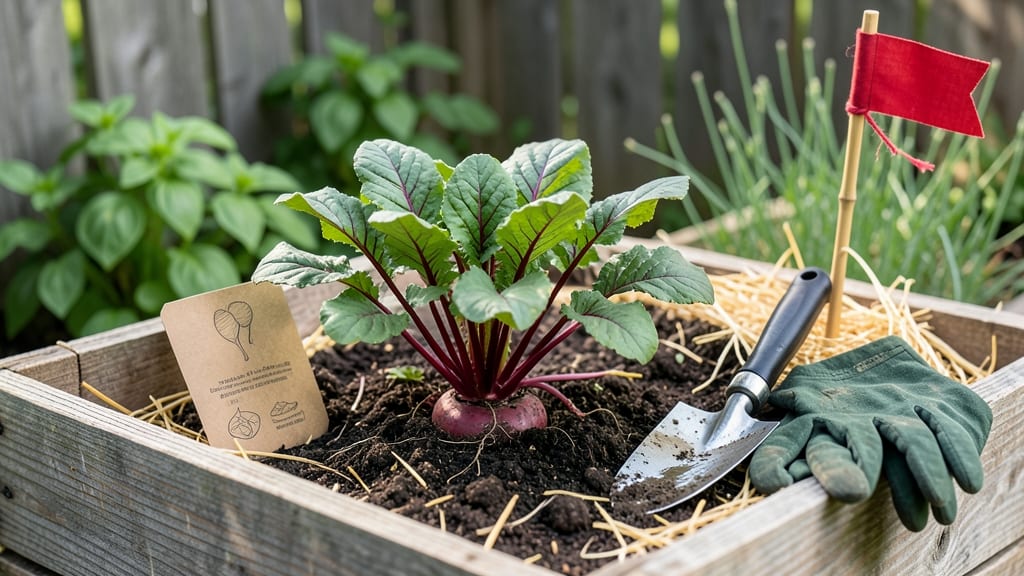
Knowing when to plant beets in Zone 6 can mean the difference between sweet, tender roots and tough, woody disappointments. These earthy 🍠 favorites love cool weather but bolt when temperatures climb—so timing your spring and fall plantings just right is the key to success.
Most gardeners in 6a-6b swear by two planting windows: early spring (March-April) and late summer (July-August). The secret? Start seeds 4-6 weeks before your last frost date (typically mid-April) for spring crops, and again in late July for fall harvests.
I’ll show you exactly how to calculate your perfect planting window.
Why does this matter? Because beets need consistent cool weather to develop their signature crisp texture. Plant too early, and you risk frost damage; too late, and you’ll end up with bitter, fibrous roots. Let’s break down the exact weeks to sow for maximum harvest potential.
Ready to grow beets that taste like they came straight from the farmers' market? You’ll discover how to stretch your harvest season, avoid common mistakes, and keep your 🍠 patch thriving from June all the way through October—even in Zone 6’s unpredictable climate.
Zone 6 beet planting schedule: exact weeks before last frost for success
Beets are cool-season vegetables that thrive in Zone 6's mild climate, but timing your planting is critical. The ideal window is 4-6 weeks before your last frost date, typically mid-March to early April for spring planting.
For a fall harvest, aim for late July to early August—just 8-10 weeks before your first frost in mid-October.
In Zone 6, beets can tolerate light frosts, but they won’t germinate well in cold, wet soil. Wait until soil temperatures reach 45°F (7°C)—a simple soil thermometer makes this easy to track.
If you plant too early, seeds may rot in the ground, while planting too late risks bolting (flowering prematurely) due to heat stress.
Most gardeners in Zone 6 sow beet seeds directly in the garden rather than transplanting seedlings. Seeds germinate best when 1/2 inch deep and spaced 1-2 inches apart. Thin seedlings to 3-4 inches apart once they reach 2 inches tall—this prevents overcrowding and ensures larger, sweeter roots.
Your last frost date is the starting point for all calculations. For most of Zone 6, this falls around April 15. Count backward 4-6 weeks to determine your spring planting window. For example, if your last frost is April 15, plant between March 1 and March 15 for a summer harvest.
| Planting Window | Soil Temp Requirement | Days to Germination | Harvest Window |
|---|---|---|---|
| Early Spring (March 1 - April 15) | 45°F (7°C) minimum | 5-14 days | June - October |
| Late Summer (July 15 - August 15) | 50°F (10°C) minimum | 7-21 days | October - November |
| Succession Planting (Every 2 Weeks) | 45°F (7°C) minimum | 5-14 days | Staggered harvests |
🌱 Key: Adjust dates based on your specific last frost date
For a continuous harvest, use succession planting every 2 weeks from March through May. This ensures you always have young, tender beets ready to pick. In late summer, focus on heat-tolerant varieties like 'Detroit Dark Red' or 'Chioggia', which handle warmer temperatures better than others.
If you’re unsure about your last frost date, check your USDA Zone 6a or 6b average frost dates. For example, Zone 6a (colder) may have a later last frost than Zone 6b (warmer). Local weather stations or Almanac frost calculators can help refine your timing.
Beets also grow well in container gardens, making them perfect for small spaces. Use pots at least 6 inches deep and fill them with well-draining soil.
Plant seeds 1/2 inch deep and keep soil consistently moist. Containers warm up faster than garden beds, so start container plantings 1 week earlier than in-ground sowings.
After sowing, keep seeds moist but not soggy. A light mulch of straw or compost helps retain moisture and regulate soil temperature. Avoid heavy watering once seedlings emerge, as this can cause them to rot. Instead, water deeply 1-2 times per week to encourage strong root development.
Once your beets reach 1-3 inches in diameter, they’re ready to harvest. Pull them gently from the soil—if the roots resist, they’re not quite ready.
For longer storage, harvest when roots are smaller (1-2 inches) and store them in a cool, dark place for up to 2 weeks.
Zone 6 beet planting schedule: exact weeks before last frost for success
Beets are one of my favorite cool-season crops because they handle Zone 6's unpredictable spring weather like a champ. For the sweetest, most tender roots, aim to plant your beet seeds 4-6 weeks before your average last frost date.
In most of Zone 6, that means mid-March to early April for your first planting.
To find your exact last frost date, check your local USDA Zone 6a/6b records—most areas experience their final frost around April 15th. Beets can tolerate light frosts, but soil temperatures below 45°F (7°C) will slow germination significantly.
Use a soil thermometer to confirm your soil has warmed to at least 50°F (10°C) before sowing.
| Planting Window | Soil Temp | Days to Germination | Notes |
|---|---|---|---|
| Early Spring (March 15 - April 15) | 50-60°F (10-15°C) | 7-14 days | Best for baby beets; use row covers if frost threatens |
| Late Summer (July 1 - August 15) | 60-70°F (15-21°C) | 5-10 days | Avoid heatwaves; provide afternoon shade |
| Fall (August 20 - September 15) | 55-65°F (13-18°C) | 10-14 days | Use cold-hardy varieties like 'Detroit Dark Red' |
For a continuous harvest, I recommend making two plantings: one in early spring and another in mid-summer (July). The summer planting gives you a fall crop just as temperatures cool down.
Just remember—beets hate heat above 85°F (29°C), so avoid planting in late summer if your Zone 6 summers are scorching.
Pro tip: If your soil stays cold longer than usual, start seeds indoors 4-6 weeks before transplanting outdoors. Beets transplant surprisingly well, though they prefer direct sowing. Harden off seedlings for 7-10 days before moving them to the garden to prevent shock.
Always sow seeds ½ inch deep and space them 1-2 inches apart. Once seedlings sprout, thin them to 3-4 inches apart—this prevents overcrowding, which leads to small, misshapen roots. Mulch with straw to keep soil temperatures stable and retain moisture during germination.
Your first harvest should arrive in 6-8 weeks, but don't stop there! With proper timing, you can enjoy fresh beets from June through October in Zone 6. The key is watching your soil temperature and adjusting plantings accordingly.