
Plants
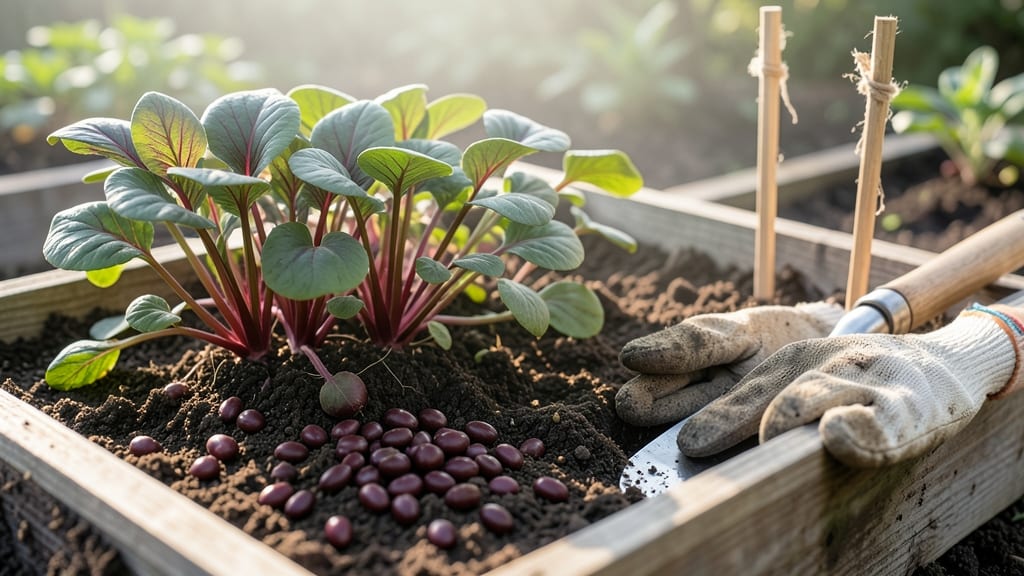
Timing your beet planting in Zone 5 can mean the difference between tender, sweet 🍠 harvests and tough, bitter roots. Get the schedule wrong, and you’ll end up with a garden full of disappointment instead of the crisp, flavorful beets you’re craving.
Most gardeners in Zone 5 know the basics—plant in spring or fall—but the exact weeks before your last frost make all the difference. Too early, and the soil stays too cold; too late, and the roots bolt or turn woody.
I’ll break down the perfect planting windows so you can enjoy a steady supply of homegrown beets from June through November.
You’ll also discover how to adjust for your specific microclimate, whether you’re dealing with early frosts or late springs. With these precise timing tips, you’ll avoid common mistakes and set your garden up for success—no more guessing, just reliable, delicious harvests.
Ready to transform your garden into a beet-growing powerhouse? Let’s dive into the exact weeks you should be planting in Zone 5 for the best results.
Optimal planting windows for beets in Zone 5: exact weeks before last frost
In Zone 5, beets love cool weather but bolt—or develop tough, woody roots—if planted at the wrong time. The sweet spot? 4-6 weeks before your last frost in spring and 8-10 weeks before your first frost in fall.
For most of Zone 5, that means mid-March to early April for spring and mid-July to early August for fall plantings.
Beets need consistent soil temperatures between 50°F and 75°F to germinate and grow properly. Planting too early when soil is still cold (below 50°F) will slow germination, while waiting too long risks bolting (flowering prematurely) before you harvest.
Use a soil thermometer to check—55°F is the magic number for reliable germination.
Your last frost date in Zone 5 typically falls around April 15, but this varies by microclimate. Areas near lakes or valleys may frost later, while hilltops warm up faster. For example, Chicago’s last frost is usually April 10, while Columbus, OH, averages April 20.
Check your local USDA Plant Hardiness Zone map or ask at your county extension office for precise dates.
Here’s the golden rule: Plant 4-6 weeks before your last frost for spring beets, giving them 60-70 days to mature before summer heat sets in. For fall, aim for 8-10 weeks before your first frost (usually October 15) to ensure a harvest before winter chill sets in.
Prepare your garden bed 2-3 weeks before planting. Beets prefer loose, well-draining soil with a pH between 6.0 and 7.0. Work in 2-3 inches of compost or aged manure to improve fertility and drainage. Avoid fresh manure, which can cause bolt (premature flowering).
Direct-sow beet seeds ½ inch deep, spacing them 1-2 inches apart in rows 12-18 inches apart. Thin seedlings to 2-3 inches apart once they’re 2 inches tall.
This spacing prevents overcrowding, which leads to small, misshapen roots. Use a hand trowel for precise thinning—gently pull seedlings, leaving the strongest ones.
After planting, keep the soil consistently moist (about 1 inch of water per week). Mulch with straw or shredded leaves to retain moisture and suppress weeds.
Beets are drought-sensitive, so let the soil dry out between waterings, but never let it become bone-dry. Water in the morning to reduce fungal risks.
Watch for germination in 7-14 days if soil temps are ideal. If seeds take longer, they may have rotted due to overly wet or cold soil.
For faster results, soak seeds in lukewarm water for 24 hours before planting. Once seedlings emerge, avoid disturbing the soil around them to prevent root damage.
For a continuous harvest, practice succession planting: Sow new seeds every 2-3 weeks after your initial planting. This ensures you’ll have beets ready to harvest every 4-6 weeks throughout the growing season. Mark your planting dates on a garden calendar to stay organized.
🌱
How to adjust planting for different beet varieties and harvest goals
Not all beets are created equal—and their planting schedules shouldn’t be either. Quick-harvest varieties like Babybeat or Detroit Dark Red need different timing than long-season types like Golden Beets.
If you want a continuous harvest, succession planting is your secret weapon. Let’s break down the best strategies for your Zone 5 garden.
Start with fast-maturing varieties (ready in 40-50 days) like Babybeat or Chioggia. These are perfect for late spring plantings (May-June) when soil temps hit 50°F.
For longer-season beets (like Detroit Dark Red, which takes 60-70 days), plant them 4-6 weeks before your last frost in early spring for a summer harvest.
| Variety | Days to Harvest | Best Planting Window (Zone 5) | Spacing |
|---|---|---|---|
| Babybeat | 40-50 | May-June (succession) or July-August | 2-3 inches apart |
| Detroit Dark Red | 60-70 | Early spring (March-April) or late summer (July) | 3-4 inches apart |
| Golden Beets | 50-60 | April-May or August-September | 3 inches apart |
For a non-stop beet harvest, use succession planting. Sow seeds every 2-3 weeks from spring until 8 weeks before your first frost. This ensures you’re always pulling fresh, tender roots.
Pro tip: Mark your calendar for July 15 and August 15—these are ideal dates for late-summer plantings in Zone 5.
If you’re growing beets for their greens (which are edible and delicious), you can harvest them 30-40 days after sowing. This lets you thin seedlings and use the greens in salads while the roots mature. Just leave the strongest seedlings spaced 3-4 inches apart for full-sized beets.
One final tip: Mulch heavily after planting to keep soil temps stable. Beets hate heat stress, so mulch with straw or shredded leaves to protect them from sudden temperature swings in Zone 5’s unpredictable spring and fall. Your roots will thank you with sweet, crisp perfection.
Now that you’ve got the timing down, let’s talk about the biggest mistakes to avoid—like planting too close to frost or ignoring soil prep. Stay tuned for my next section on Zone 5 beet planting pitfalls and how to skip them entirely.