
Plants
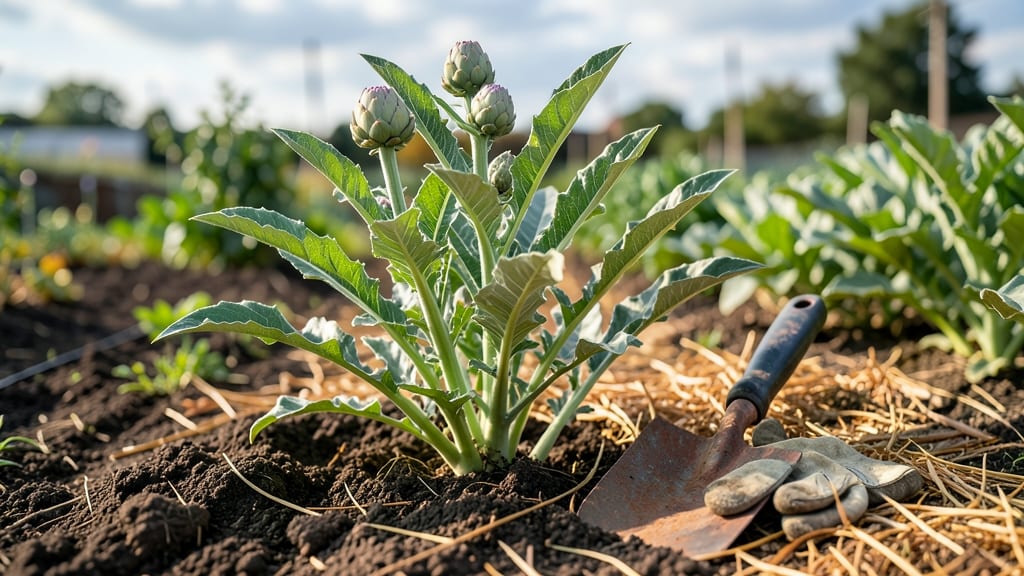
Planting artichokes in Zone 7 at the wrong time can mean the difference between a bountiful harvest and struggling plants that barely survive. Unlike other vegetables, artichokes need precise timing—too early, and frost will damage tender shoots; too late, and your harvest shrinks before summer’s peak.
The key is knowing exactly when to get them in the ground for maximum growth.
For Zone 7 gardeners, the ideal window is 4-6 weeks before your last frost date, which typically lands in early spring (March-April) or late summer (August-September). But here’s the catch: coastal areas in Zone 7 may have milder microclimates, while inland spots face harsher frosts.
Understanding these nuances is what separates a thriving 🌿 patch from a failed attempt.
You might think artichokes are low-maintenance, but their frost sensitivity makes timing everything. Plant too soon, and young plants will bolt; wait too long, and you’ll miss the sweet spot for a fall harvest.
I’ll break down the exact weeks to plant, how to adjust for your local climate, and even backup strategies if frost arrives early.
Ready to grow artichokes that outperform the neighbors? Let’s dive into the science-backed planting schedule that guarantees bigger, healthier plants—and a harvest that lasts from late spring through fall.
Best planting weeks before last frost for artichokes in Zone 7
Artichokes love Zone 7’s mild winters but hate unpredictable frost. The key is planting 4-6 weeks before your last frost date—typically mid-March to early April in most of Zone 7.
This gives seedlings enough time to establish roots before temperatures dip below 25°F, which can kill young plants.
For fall harvests, aim for late summer planting (August to early September) so artichokes mature before the first frost—usually around October 30. Fall-planted artichokes often yield larger heads because they grow undisturbed through cooler months.
Zone 7 spans 7a (0-5°F) and 7b (5-10°F) subregions. If you’re in 7a, plant 2 weeks earlier to account for colder snaps. In 7b, you have a 10-day buffer for late starts.
🌱
| Planting Window | Zone 7a | Zone 7b | Key Notes |
|---|---|---|---|
| Spring Planting | March 15–April 1 | March 25–April 10 | Transplant after soil reaches 50°F; use row covers for early starts. |
| Fall Planting | August 1–15 | August 15–September 1 | Start seeds indoors 8–10 weeks before first frost for transplanting. |
| Backup Dates | April 15–May 1 | April 20–May 5 | Use cold frames or black plastic mulch to extend season. |
Check your local frost dates using the USDA Plant Hardiness Zone Map or your county extension office. For example, Raleigh, NC (Zone 7b) has a last frost around April 1, while Lexington, KY (Zone 7a) averages March 20.
Artichokes need 6–8 hours of sun daily, so choose a south-facing spot with well-draining soil. Amend heavy clay with compost or sand to prevent root rot—a common issue in Zone 7’s humid summers.
If your area has late spring frosts (like the Blue Ridge Mountains), wait until May 1 to transplant. Young plants can’t handle temperatures below 30°F, even briefly.
For container growing, use 5-gallon pots and plant 2 weeks later than in-ground dates. Containers warm up faster and are more vulnerable to temperature swings.
🌿
Pro tip: Plant marigolds nearby to deter artichoke plume moths, a common pest in Zone 7. The ‘Green Globe’ variety is your best bet for beginners—it’s frost-tolerant and produces large, tender heads.
Best planting weeks before last frost for artichokes in Zone 7
Artichokes in Zone 7 need careful timing to thrive—plant them too early, and frost can stunt growth; too late, and your harvest suffers. The last frost date for most of Zone 7 falls around April 15, but microclimates (like coastal areas) may vary by 2-3 weeks.
For spring planting, aim to transplant 4-6 weeks before your local last frost date.
In Zone 7a (colder subregion), transplant artichokes between March 15 and April 1 for a head start. In Zone 7b (warmer), you can push it slightly later—March 30 to April 15.
If your area experiences unpredictable frost, err on the earlier side to ensure young plants aren’t caught off guard.
Fall planting is also viable in Zone 7 for a late harvest. Start seeds indoors 8-10 weeks before your first frost (typically August 15-30) and transplant outdoors by September 15. This gives them time to mature before winter sets in.
| Planting Window | Zone 7a | Zone 7b | Key Notes |
|---|---|---|---|
| Spring Transplant | March 15-April 1 | March 30-April 15 | Soil must be 55°F+; use row covers if frost lingers. |
| Fall Transplant | September 1-15 | September 15-October 1 | Start seeds indoors 8-10 weeks before first frost. |
| Direct Sowing | April 15-May 1 | April 30-May 15 | Slower growth; best for fall harvests only. |
For direct sowing (skipping transplants), plant seeds 2-3 weeks after your last frost date. In Zone 7, this typically lands in late April to early May.
However, direct-sown artichokes grow slower and may not yield as heavily as transplants, so prioritize this method only if you’re aiming for a fall harvest.
If your Zone 7 area experiences late frosts (common in inland regions), use row covers or cold frames to protect young plants. Monitor your local frost forecast and adjust planting dates accordingly—even a few degrees can make the difference between success and failure.
Pro tip: Test your soil’s pH (6.5-7.5) before planting. Artichokes thrive in well-draining, slightly alkaline soil, so amend with lime if needed. Mulch with straw or wood chips to retain moisture and regulate soil temperature.