
Plants
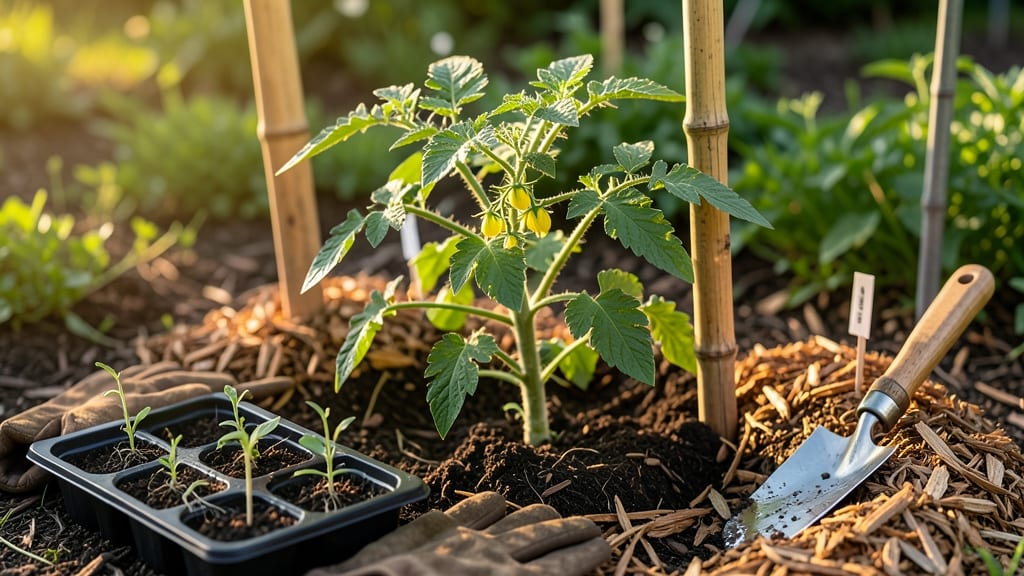
If you've ever wondered when to plant tomatoes in Virginia, nailing the timing is the difference between a bumper crop of juicy 🍅 and a sad, wilted disappointment.
Virginia’s Zone 6a-8a climate means frost dates can shift from late March in the Tidewater region to early May in the Piedmont—so getting it right matters more than you think.
For gardeners in Zone 7a/7b, the sweet spot is between April 15 and June 1 for transplants, but if you’re starting seeds indoors, you’ll want to begin as early as March 15.
Why? Because tomatoes need warm soil (at least 60°F) and consistent warmth to thrive, and planting too soon risks stunted growth or frost damage.
I’ll break down the exact weeks before your last frost date to maximize your harvest, whether you’re growing heat-loving varieties like 'Solar Fire' or early-maturing picks like 'Early Girl.' Plus, I’ll share Virginia-specific tips—like using black plastic mulch to warm the soil faster—to give your tomatoes the best possible start.
Ready to turn your garden into a tomato powerhouse? Let’s dive into the perfect planting schedule for your Virginia zone and set you up for a season of homegrown success.
Virginia last frost dates by Zone 7a/7b: exact weeks to plant tomatoes for maximum yield
Virginia’s Zone 7a/7b climate creates a 10-14 day window between northern and southern regions for planting tomatoes. In Zone 7a (northern VA), the last frost typically arrives April 15±5 days, while Zone 7b (central/southern VA) sees frost-free conditions 7-10 days earlier.
These dates determine whether you’ll grow early-maturing varieties or risk stunted harvests.
Tomatoes thrive when soil temperatures reach 60°F+—a threshold Virginia soils hit 2-3 weeks after the last frost. Using black plastic mulch can warm soil by 5-10°F, letting you plant 1-2 weeks earlier in cooler microclimates like the Shenandoah Valley.
However, planting too soon risks cold damage or early blight from prolonged dampness.
For maximum yield, aim to transplant seedlings outdoors 2-4 weeks after your region’s last frost date. This gives plants time to establish roots before summer heat arrives.
In Zone 7a, that’s late April to early May, while Zone 7b gardeners can start transplanting as early as mid-April in protected microclimates.
Here’s how Virginia’s frost dates break down by region and their ideal tomato planting windows:
If you’re growing heirloom or late-maturing varieties (e.g., 'Brandywine' or 'Cherokee Purple'), plant 2-3 weeks earlier than the recommended window. These tomatoes need 85+ days to mature, so starting them indoors by February 15 in Zone 7b ensures they’re ready by mid-June—just before Virginia’s summer heat peaks.
Conversely, fast-maturing varieties like 'Early Girl' (50-55 days) can be transplanted as late as June 1 in Zone 7b, giving you a second harvest before frost. However, late plantings require daily watering and shade cloth during heatwaves to prevent sunscald.
Pro tip: Use the Virginia Cooperative Extension’s frost date map to pinpoint your exact last frost date. For example, Roanoke (Zone 7a) averages frost until April 20, while Richmond (Zone 7b) is typically frost-free by April 5.
Adjust your planting schedule accordingly to avoid late-season blight or stunted growth.
For gardeners in cooler microclimates (e.g., mountain valleys), extend your season by using row covers or planting in warm microclimates like south-facing slopes. These tricks let you transplant 1-2 weeks earlier without risking frost damage.
Remember: Tomatoes need 60-85 days to mature, depending on the variety. If your first frost arrives October 15±10 days, count backward to determine your last possible transplant date. In Zone 7a, that’s late July for early varieties, while Zone 7b allows late August plantings.
🌱 Planting tomatoes in Virginia isn’t just about dates—it’s about balancing soil warmth, frost risk, and variety maturity. With these guidelines, you’ll avoid the common mistakes of planting too early (cold shock) or too late (short season), ensuring a bountiful harvest from June through October.
Indoor seed starting vs. transplanting tomatoes in Virginia: which method works best for your schedule?
Deciding whether to start tomato seeds indoors or buy transplants is one of the first big choices Virginia gardeners face. Both methods work, but your schedule, space, and even your tomato variety will determine which is best for you.
Starting seeds indoors gives you more variety options and earlier harvests, while transplants save time and reduce risk for beginners.
For Virginia’s Zone 7a/7b, indoor seed starting typically begins 6-8 weeks before your last frost date. That means if your last frost is April 15 (common in Northern Virginia), you’ll want to start seeds by February 15 to March 15.
This timeline ensures seedlings are robust enough to transplant outdoors by late April or early May.
If you prefer transplants, aim to plant them outdoors 2-4 weeks after your last frost date. For most of Virginia, this means late April to early June. Transplants are convenient but limit you to nursery stock, which may not include your favorite heirloom varieties.
Here’s how the two methods compare for Virginia gardeners:
| Factor | Indoor Seed Starting | Transplanting |
|---|---|---|
| Start Time (Zone 7a/7b) | Feb 15 - Mar 15 | Late April - Early June |
| Time Commitment | High (daily care) | Low (plant and water) |
| Variety Options | Unlimited (heirlooms, hybrids) | Limited (nursery stock) |
| Cost | Moderate (seeds + supplies) | Higher (transplant cost) |
| Best For | Early harvests, variety selection | Beginners, time-saving |
If you choose to start seeds indoors, use grow lights or a sunny south-facing window to provide 12-16 hours of light daily. Keep seedlings warm (70-75°F) and fertilize lightly with a diluted tomato fertilizer every 2 weeks.
Harden off seedlings for 7-10 days before transplanting to acclimate them to outdoor conditions.
For transplants, select healthy seedlings with sturdy stems and dark green leaves. Plant them deeply, burying up to the first set of leaves to encourage strong root growth. Water thoroughly after planting and mulch around the base to retain moisture and suppress weeds.
No matter which method you choose, remember that soil temperature is critical. Tomatoes won’t thrive until the soil reaches at least 60°F. Use a soil thermometer to check, and consider black plastic mulch to warm the soil faster, especially in cooler Virginia regions like the Piedmont.