
Plants
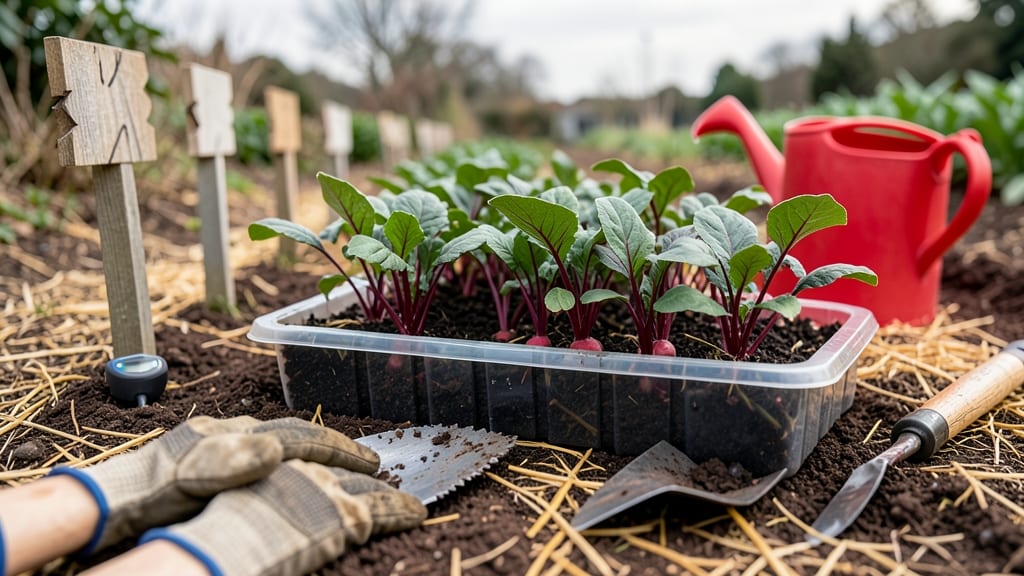
Timing your fall beet planting right is the secret to harvesting sweet, crisp roots that outshine their spring counterparts—if you nail the 60-day pre-frost schedule. Miss this window, and you risk bolting or frost damage, turning your garden into a sad, mushy mess.
But get it perfect, and you’ll enjoy homegrown 🍠 beets that taste sweeter than store-bought, all the way through winter.
Most gardeners in USDA Zone 6a (and beyond) should start sowing seeds between mid-August and early September, giving them enough time to mature before the first hard frost. The key?
Calculating your last frost date and working backward—because beets need 45-70 days to reach harvest size, depending on the variety. Skip the guesswork and follow this foolproof timeline to avoid common pitfalls.
Why bother with fall planting? Cool-season growth actually enhances beet flavor, while fewer pests and diseases mean less hassle. Plus, you’ll stretch your harvest season, enjoying fresh roots well into November.
Whether you’re a beginner or a seasoned gardener, this guide will help you plan, plant, and protect your beets like a pro—so you’re left with a bounty, not a bust.
Ready to transform your garden into a beet bonanza? Let’s break down the exact steps, from soil prep to frost-proofing, so you can enjoy homegrown harvests that rival any farmers’ market find. No more second-guessing—just sweet, reliable results.
Fall beet planting timeline: 60-Day countdown to frost
To grow sweet, crisp fall beets, timing is everything—especially since beets need 45-70 days to mature before frost. The golden window is 4-6 weeks before your first frost date, giving you a 60-day harvest window before winter sets in.
In USDA Zone 6a, that means planting between mid-August and early September, but adjust based on your local climate.
Start by checking your average first frost date (find it using the USDA Plant Hardiness Zone Map or local weather data). For example, in Zone 5, aim for late July to early August, while Zone 8 gardeners can plant until mid-October.
The goal? Harvest before temperatures drop below 20°F (-6°C), which can damage roots.
Soil temperature matters too—beet seeds need soil at 50-70°F (10-21°C) to germinate. Test your soil with a soil thermometer or wait until evening temperatures consistently stay above 60°F (15°C). Cool soil slows germination, so don’t rush planting if your garden is still warm.
📅 Fall Beet Planting Summary
| Stage | Action | Notes |
|---|---|---|
| Soil Prep | Test soil temp (50-70°F) | Add compost for nutrients |
| Planting Window | 4-6 weeks before frost | Adjust for your USDA zone |
| Sowing Depth | ½ inch deep, 1-2 inches apart | Thin to 3-4 inches apart |
| Harvest Time | 45-70 days after planting | Before hard frost (20°F) |
| Post-Harvest | Store in cool, dark place | Lasts 2-3 weeks unrefrigerated |
For extended harvests, consider succession planting every 2 weeks until 6 weeks before frost. This ensures a steady supply of beets without overwhelming your garden. For example, if your frost date is October 15, plant batches on August 20, September 5, and September 20 for staggered harvests.
If you’re in a warmer climate (Zones 8-10), you can push planting later—even into October—since frost arrives later. However, avoid planting too close to frost, as beets won’t have enough time to mature. A 50-day variety like ‘Detroit Dark Red’ is ideal for tight schedules.
Pro tip: Use a planting calendar to track your timeline. Mark your last frost date, then count backward 60 days to determine your planting window. This method works for any USDA zone and eliminates guesswork.
For example, in Zone 4, plant by late July, while Zone 7 gardeners can plant until mid-September.
Once planted, keep soil consistently moist (but not soggy) to prevent bolting or uneven growth. Mulch with straw or leaves to retain moisture and regulate soil temperature. Avoid over-fertilizing with nitrogen, which encourages leafy growth over sweet roots.
By following this 60-day pre-frost schedule, you’ll enjoy homegrown beets that are sweeter and more tender than spring-planted varieties. Plus, you’ll avoid common mistakes like bolting or frost damage, ensuring a successful harvest every time. Happy planting! 🌱
Fall beet planting timeline: 60-Day countdown to frost
To grow perfect fall beets, you need to work backward from your first frost date. Most gardeners in USDA Zones 3-10 should plant seeds 4-6 weeks before frost to ensure a harvest before temperatures drop below 25°F (-4°C).
For example, in Zone 6a, where the first frost typically hits around October 15, aim to sow seeds between mid-August and early September.
Why this timing? Beets need 45-70 days to mature, depending on the variety. Planting too early risks bolting (premature flowering), while planting too late leaves them vulnerable to frost damage. The 60-day rule balances these risks, giving you a window to adjust based on your local climate.
📅 Fall Beet Planting Timeline
| Stage | Action | Timeframe |
|---|---|---|
| Soil Prep | Test soil pH (6.0-7.0), add compost | 2-3 weeks before planting |
| Seed Sowing | Plant seeds ½ inch deep, 1-2 inches apart | Mid-August to early September (Zone 6a) |
| Thinning | Thin seedlings to 3-4 inches apart | 3-4 weeks after sowing |
| Harvest | Pull roots when 1-3 inches in diameter | October to early November |
Check your local last frost date using the USDA Plant Hardiness Zone Map or a trusted gardening app. Adjust your planting window by 4-6 weeks before frost—this ensures your beets mature before temperatures drop.
For example, in Zone 5, plant by late August, while in Zone 8, you might extend sowing to early October.
Pro tip: Use a garden journal to track your local frost dates and adjust future plantings. Over time, you’ll refine your schedule for foolproof results. Even a 1-week delay can mean the difference between a bountiful harvest and a frost-damaged crop.
Once you’ve locked in your planting window, focus on soil temperature. Beet seeds germinate best in soil that’s at least 50°F (10°C). If your soil is cooler, wait until temperatures warm up or use a seedling heat mat to speed up germination.
Cold soil can delay sprouting by 1-2 weeks, throwing off your entire timeline.
With the right timing, your fall beets will reward you with sweeter, crisp roots—a far cry from the tough, fibrous store-bought varieties. Follow this schedule, and you’ll enjoy homegrown harvests that last well into winter, all without the guesswork. 🌱