
Plants
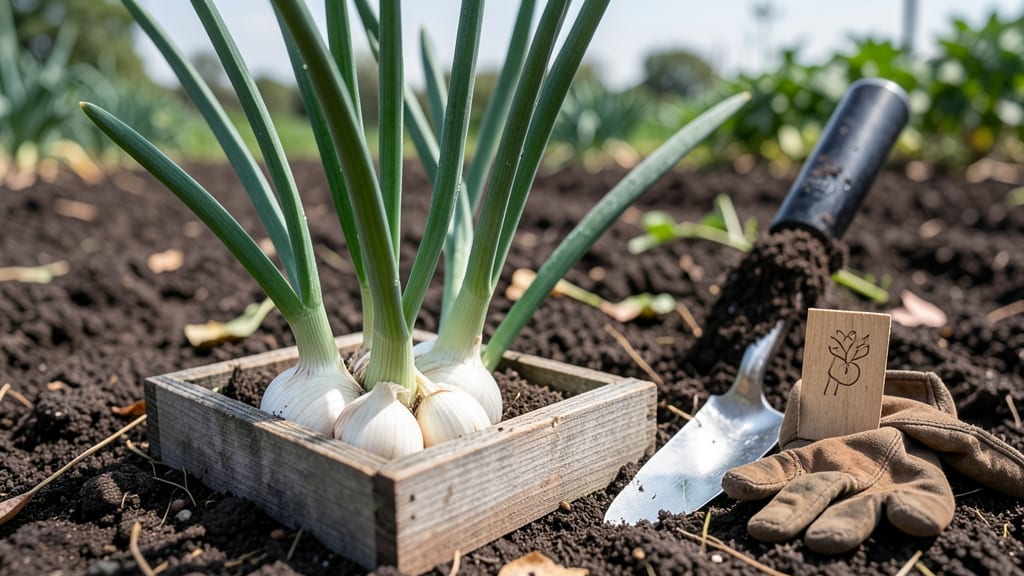
Planting garlic in Minnesota isn’t just about timing—it’s about outsmarting Zone 4-5 winters when a single late frost can ruin your crop. The key to success? Getting those cloves in the ground between mid-October and November, when soil temps hover just above freezing but before the ground locks up.
Why does this matter? Unlike warmer climates, Minnesota’s hardneck garlic (🧄) thrives because of cold snaps—it needs winter chill to form bulbs. But plant too early, and your cloves rot; too late, and they won’t establish roots before freeze-up.
I’ll break down the exact window, soil prep tricks, and how to adjust for Minnesota’s famously fickle frost dates.
Most gardeners assume "fall planting" means a broad August-November range, but in Minnesota, that’s a recipe for failure. The 4-6 week buffer before your first hard frost is non-negotiable.
Whether you’re a first-timer or a veteran gardener, these insights will help you nail the timing—so you’re harvesting plump bulbs by July instead of digging up half-buried disappointments.
Ready to turn your garden into a garlic powerhouse? Let’s dive into the science-backed schedule that’s kept Minnesota growers harvesting for decades—no guesswork required.
Minnesota’s ideal garlic planting window: hardneck vs softneck timing
Minnesota gardeners know timing is everything—especially when planting garlic in USDA Zones 4a-5b. The key to success lies in planting hardneck varieties in fall, when soil temperatures drop below 70°F but before the ground freezes.
This cold stratification period actually enhances flavor and hardiness, making MN’s winters work in your favor.
For softneck garlic, which is less cold-tolerant, spring planting is safer—but hardnecks are the star of Minnesota gardens. They produce scape shoots in summer and store better, making them ideal for our short growing season. Let’s break down the exact planting windows and why they matter.
🌱 Visual Element: Comparison Table
In Minnesota, your last frost date (around November 15) sets the deadline for fall planting. Aim to plant 4–6 weeks before the ground freezes—typically between October 1st and November 15th. Soil temperatures should be below 50°F but not frozen; use a soil thermometer to check.
Hardneck garlic thrives under snow cover, which insulates bulbs and protects against extreme cold. In fact, some gardeners in Zone 3 (like northern MN) plant as late as December if the ground isn’t frozen. The secret? Mulch heavily with straw (4–6 inches) to trap heat and prevent heaving.
Spring planting is riskier in MN due to late frosts (April is unpredictable). If you must plant in spring, use row covers until soil warms to 50°F consistently. However, hardnecks planted in spring often produce smaller bulbs and fewer scapes.
Pro tip: Use garlic from local nurseries (like Minnesota Grown varieties) for better cold tolerance. Store-bought garlic often lacks the dormancy period needed for optimal growth in MN’s climate.
Timing isn’t just about the calendar—it’s about soil conditions. Test your soil’s drainage before planting; garlic rots in soggy soil. Amend with compost to improve structure, and avoid fresh manure, which can burn cloves.
Remember: Hardnecks planted in fall yield larger bulbs and sweeter flavor than spring-planted garlic. For MN gardeners, this isn’t just advice—it’s a cold-climate necessity.
Start your garlic now, and by next summer, you’ll be harvesting plump, hardy bulbs that outperform store-bought any day. The key? Plant early, mulch well, and trust the freeze—Minnesota’s winters are your garlic’s best friend. 🧄
How to adjust your planting schedule for MN’s unpredictable frost patterns
Minnesota’s frost dates are famously unpredictable—one year you might get a hard freeze by November 1, while the next, December snow arrives late. The key to success? Building a 4-6 week buffer between planting and your average first hard frost (usually around November 15 for most of the state).
For example, if your last frost typically hits November 5, aim to plant by October 1. But if you’re in northern MN where frosts come earlier, shift your window to September 20-October 5. This flexibility is what separates thriving garlic beds from failed experiments.
Here’s the critical rule: Soil temperature should be 40-50°F at planting time. Use a soil thermometer to check—cold soil slows root growth, while warm soil risks rot. In MN’s Zone 4-5, this usually aligns with mid-October, but watch for early cold snaps.
🌱 Pro Tip: If frost threatens before your cloves root, cover the bed with straw mulch (4-6 inches) to insulate soil and trap heat. This buys you 2-3 extra weeks of growing time—critical for late plantings.
Another common mistake? Planting too early in August. While garlic can handle cool soil, hot August temps cause cloves to sprout prematurely, weakening them before winter. Wait until soil cools below 70°F (usually late September) to avoid this pitfall.
For gardeners in southern MN (Zone 5), you might squeeze in a December planting if soil stays workable. But in northern MN (Zone 4), December is too risky—stick to October for reliability. Always check your local USDA frost map for precise dates.
🔍 Warning: Avoid planting after November 15 unless you’re using a high-tunnel or cold frame. Without protection, cloves won’t establish roots before freeze-up, leading to rot or death. If you miss the window, wait until early spring (March-April) for a secondary planting—though yields will be smaller.
- Test soil temps: Plant only when soil is 40-50°F (use a thermometer).
- Choose sheltered spots: Plant near south-facing fences or buildings to trap heat.
- Mulch heavily: Apply 4-6 inches of straw after planting to insulate roots.
- Monitor forecasts: Cover beds with row fabric if frost is predicted before roots establish.
- Adjust for your zone: Northern MN? Plant by October 1. Southern MN? Extend to November 10.
Remember, garlic’s winter chill requirement (600-1,000 hours below 40°F) is what builds those plump bulbs we love. By aligning your planting with MN’s frost patterns—and adding these protective layers—you’ll turn uncertainty into a reliable harvest every summer.