
Plants
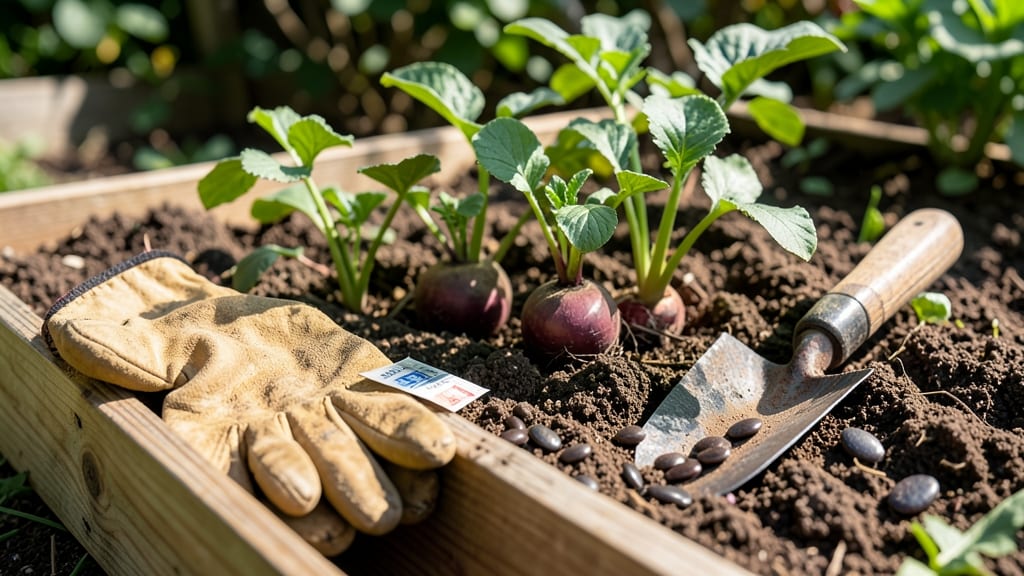
Timing your beet planting in Illinois can make or break your harvest—get it wrong, and you'll end up with bitter, woody 🍠 instead of the tender, sweet roots you crave.
The key lies in understanding the state's unique climate zones and frost patterns, which create two perfect windows for growing these versatile vegetables.
For most Illinois gardeners in zones 5-6, the sweet spot begins in late March and runs through April 30 for spring plantings. This gives your beets 60-90 days of warm weather to mature before summer's heat triggers bolting.
But don't stop there—fall planting from September 1 to October 15 extends your harvest into crisp autumn months when flavors peak.
What sets Illinois apart is its regional variations—Chicago's cooler lakeside breezes demand slightly later plantings than southern Illinois' warmer microclimates. I'll break down exactly how to adjust your schedule based on where you garden, plus pro tips for soil prep that'll have your beets growing like crazy.
Whether you're a first-time gardener or a seasoned green thumb, mastering these planting windows means fewer disappointments and more homegrown harvests. Let's dive into the precise timing that'll transform your garden into a beet bonanza.
Spring planting deadlines for beets in Illinois (zone 5-6)
Illinois gardeners know timing is everything when it comes to growing beets. The last spring frost typically hits between April 15 and May 1, depending on your region—so your planting window opens much earlier.
For spring beets, aim to sow seeds 4-6 weeks before your last frost date to ensure tender roots before summer heat sets in.
Northern Illinois (Zone 5) gardeners should start sowing beet seeds as early as mid-March in a cold frame or under row covers. Southern Illinois (Zone 6) can begin even earlier, around late February, thanks to milder winters.
This head start gives seedlings time to establish before soil temperatures rise above 70°F, which triggers bolting (flowering too soon).
Here’s the key: Soil temperature matters more than air temperature. Beets germinate best when soil is 45-75°F. Use a soil thermometer to check—if it’s below 45°F, wait a week or two.
In Chicago’s urban heat islands, soil warms faster, so you might plant 1-2 weeks earlier than rural areas.
Pro tip: Succession plant every 2 weeks until mid-May for a continuous harvest. This prevents a glut of mature beets all at once and extends your harvest window from June to August. Just avoid planting after June 1—summer’s intense heat will make beets tough and woody.
Don’t overlook microclimates—urban areas like Chicago often experience earlier soil warming due to pavement and buildings. Test your soil temperature in a shaded spot (beets prefer 6+ hours of sun but can tolerate partial shade in hot afternoons).
If your soil heats up quickly, opt for shade cloth during peak summer to keep roots tender.
For organic gardeners, amend soil with compost or aged manure before planting. Beets thrive in loamy soil with a pH of 6.0-7.0. Add a 1-inch layer of mulch after germination to retain moisture and suppress weeds.
This is especially critical in Illinois’ dry spells, which can stress young seedlings.
One common mistake? Planting too deeply. Bury seeds only ½ inch deep—any deeper, and they’ll struggle to emerge. Thin seedlings to 3-4 inches apart once they’re 2 inches tall to prevent competition. Use the thinned seedlings in salads—they’re delicious!
Finally, watch for bolt-resistant varieties like ‘Detroit Dark Red’ or ‘Golden’ if you’re pushing the spring deadline. These hold up better in warmer soil than heirloom types. With the right timing, you’ll enjoy crisp, sweet beets all summer long.
Spring planting deadlines for beets in Illinois (zone 5-6)
Getting your beets in the ground at the right time in Illinois is all about soil temperatures and frost dates. Aim to plant 30-60 days before your last frost date, which typically falls around April 15 in most of the state.
For northern Illinois (Zone 5), start seeds indoors or in cold frames by March 15 to give them a head start.
Southern Illinois (Zone 6) can plant directly outdoors as early as March 1, but wait until soil temps reach 45°F (7°C) to avoid slow germination. Use a soil thermometer to check—50°F (10°C) is ideal for consistent sprouting.
| Region | Last Frost Date | Optimal Planting Window | Soil Temp Requirement |
|---|---|---|---|
| Northern IL (Zone 5) | April 15 | March 15 - April 15 | 45°F+ (7°C+) |
| Central IL (Zone 5b) | April 1 | March 1 - April 10 | 50°F+ (10°C+) |
| Southern IL (Zone 6) | March 25 | February 20 - March 30 | 40°F+ (4°C+) |
For Chicago-area gardeners, focus on planting between March 20 and April 10. Use row covers if late frosts threaten—beets can tolerate light frosts but not prolonged cold snaps below 25°F (-4°C). Succession plant every 2 weeks for a continuous harvest.
Choose cold-hardy varieties like 'Detroit Dark Red' or 'Golden' for spring planting. These varieties handle cooler soils better than heat-sensitive types. Always thin seedlings to 3-4 inches apart to prevent competition and ensure plump roots.
Remember: Overcrowding leads to small, misshapen beets. Space rows 12-18 inches apart for easy access and airflow. Mulch with straw after thinning to retain moisture and suppress weeds—critical during Illinois' hot, dry summers.
Your first harvest should arrive in 50-60 days, just as summer heat ramps up. This timing ensures you enjoy tender, sweet beets before they turn woody in the heat.