
Plants
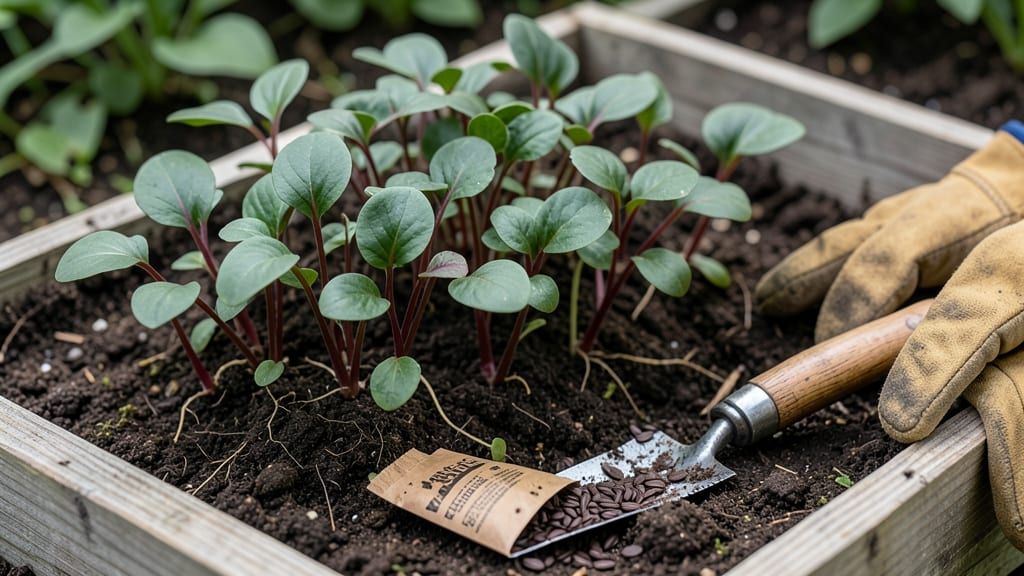
If you’ve ever tried growing 🍠 beets in Central Florida and struggled to determine when to plant beets in central Florida for the best results, you’re not alone—timing is everything in our unique climate.
Unlike cooler regions, Florida’s long growing season means you can plant year-round, but three key months stand out for the sweetest, crispiest harvests.
Most gardeners know summer heat stresses beets, but did you know planting in fall or early spring actually works better? The secret lies in cooler temperatures and consistent moisture, which prevent those dreaded woody textures.
I’ll show you exactly when to start seeds for perfect results, even if you’ve struggled before.
Whether you’re a beginner or a seasoned gardener, these three ideal planting windows will transform your beet game. You’ll learn how to beat Florida’s heat, adjust for microclimates, and extend harvests—so you can enjoy fresh, homegrown beets from September through April without the guesswork.
Let’s dive into the perfect schedule for your Central Florida garden, so you can skip the trial-and-error and start harvesting like a pro.
Best months to plant beets in Central Florida: a seasonal breakdown
Central Florida’s frost-free climate means you can grow beets year-round, but timing matters for sweet, tender roots. Unlike northern gardeners, we skip the spring frost wait—our challenge is avoiding summer heat stress.
Beets thrive when soil temps stay between 50°F and 75°F, making fall, winter, and early spring the sweet spot for perfect harvests.
I’ve planted beets in every month here, and the results? September through November and February through April deliver the crispiest roots. Outside these windows, you’ll battle bolting (premature flowering) or woody, bitter roots—especially in Central Florida’s 90°F+ summers.
Let’s break down the three ideal planting windows and why they work.
| Season | Best Planting Months | Soil Temp Range | Days to Harvest | Key Notes |
|---|---|---|---|---|
| Fall | September–November | 60°F–75°F | 50–70 days | Cooler temps prevent bolting; mulch to retain moisture. |
| Winter | December–January | 55°F–65°F | 60–70 days | Grow under shade cloth if temps drop below 50°F; harvest before spring heat arrives. |
| Spring | February–April | 60°F–70°F | 50–60 days | Plant early spring for harvest before summer heat; use drip irrigation. |
For fall planting (September–November), start seeds 6–8 weeks before first frost—though Central Florida rarely sees frost, aim for soil temps below 80°F. I’ve had success sowing in late August for a Christmas harvest, but watch for heat spikes.
Use black plastic mulch to warm soil faster in early fall.
Winter planting (December–January) is my favorite for crisp, sweet beets. Soil stays cool, and humidity drops, reducing disease risk. Plant in partial shade if temps dip below 55°F, or use row covers for extra protection.
I’ve grown Detroit Dark Red successfully in January with shade cloth—harvested by March before summer heat arrived.
Spring planting (February–April) lets you beat the summer heat. Sow seeds in February for a March–April harvest, or try succession planting every 2 weeks through April.
Avoid planting after April 15th—beets sown in May or June will bolt quickly due to longer daylight hours and 90°F+ temps.
If you’re tempted to plant in summer (May–August), I’ve tried it—and it’s a gamble. Beets struggle with heat stress, leading to small, tough roots or bitter greens.
The only exception? Heat-tolerant varieties like ‘Cylindra’ or ‘Early Wonder Tall Top’, planted in deep shade with daily watering. Even then, harvest within 45 days to avoid bolting.
Pro tip: Use a soil thermometer to check temps before planting. Beets need consistent moisture, so drip irrigation or soaker hoses work better than overhead watering. I’ve lost entire plantings to uneven watering—beets are thirsty but hate soggy soil.
Aim for 1–2 inches of water per week, and always water in the morning.
For extended harvests, try succession planting every 2–3 weeks during your ideal windows. This ensures a steady supply of fresh beets without overwhelming your garden. I’ve used this trick to enjoy homegrown beets from October through May—no grocery store needed!
Remember, Central Florida’s microclimates vary. Urban areas like Orlando stay warmer at night, while rural Ocala can get drier. Coastal Tampa faces higher humidity. Adjust your planting timeline 1–2 weeks earlier or later based on your specific location’s heat patterns. 🌱
How to adjust planting for Central Florida’s microclimates (Orlando vs. Ocala vs. Tampa)
Central Florida’s microclimates can drastically change beet-growing success. Orlando’s urban heat islands trap warmth at night, while Ocala’s sandy soils drain too quickly, and Tampa’s coastal humidity invites fungal risks. Adjusting your planting strategy for these differences ensures your beets thrive year-round. In Orlando, evenings stay warmer than rural areas, delaying the ideal cool-season planting window by 2-3 weeks. Start seeds in late September instead of mid-September, and use mulch to regulate soil temps. Coastal Tampa demands earlier sowing (early August for fall crops) to avoid summer’s oppressive heat and humidity, which can trigger bolting or rot.Ocala’s drier, well-draining soils require deeper watering—aim for 1.5 inches per week—and shade cloth during peak summer to protect seedlings. If you’re in Tampa, prioritize shade-tolerant varieties like ‘Detroit Dark Red’ and plant near dappled shade (like under fruit trees) to prevent leaf scorch.
Each region’s quirks mean one-size-fits-all advice fails here.
🌱
| Region | Key Challenge | Adjustment | Best Varieties |
|---|---|---|---|
| Orlando | Warmer nights | Plant 2-3 weeks later; mulch heavily | ‘Golden’ (heat-tolerant) |
| Ocala | Dry, fast-draining soil | Water deeply 2x/week; use compost | ‘Chioggia’ (moisture-retentive) |
| Tampa | High humidity/fungal risk | Plant in partial shade; space wider | ‘Detroit Dark Red’ (disease-resistant) |
For Orlando gardeners, focus on fall planting (October–November) and spring (February–March) to avoid summer’s heat. Use black plastic mulch to warm soil faster in spring, accelerating growth. In Ocala, amend sandy soil with compost or coconut coir to retain moisture, and consider drip irrigation to prevent stress.
Coastal Tampa gardeners should prioritize succession planting every 2 weeks from August to October to stretch harvests. If you’re near Lakeland’s higher elevation, you’ll have a 10–14-day head start on Tampa—use this to your advantage by planting heat-tolerant varieties like ‘Cylindra’ earlier in the season.
Pro tip: Monitor your local soil temperature with a soil thermometer—beets thrive when soil stays between 55°F and 75°F. In Orlando’s concrete jungles, soil can hit 85°F+ by early afternoon, stunting growth. Plant in morning shade or use shade cloth (30–50%) until seedlings establish roots.
✂️