
Planting
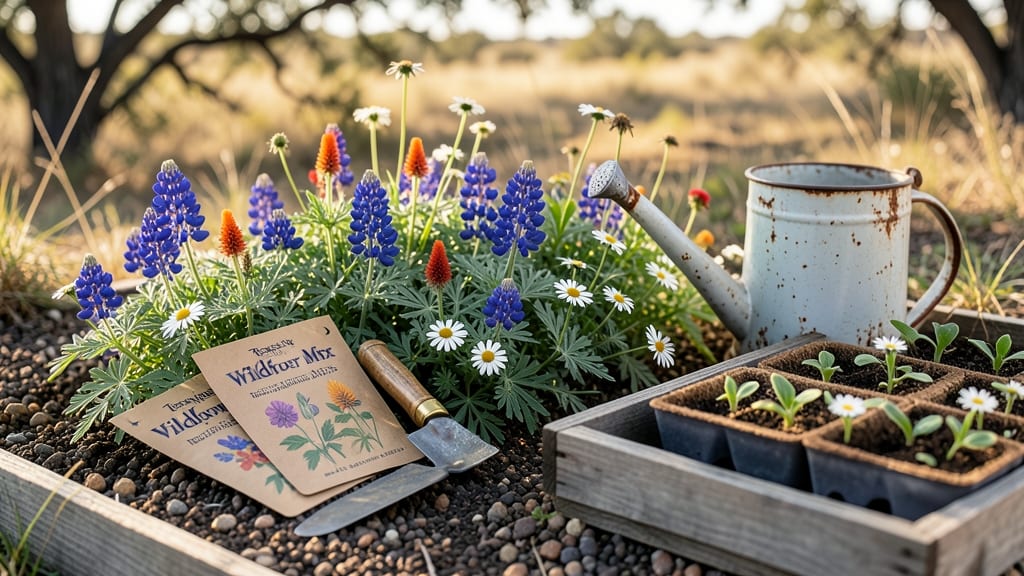
Timing your garden in Central Texas isn’t just about planting seeds—it’s about beating the 100°F+ heat that can turn your hard work into crispy 🌱 snacks before they even sprout.
The key to a thriving garden lies in knowing exactly when to plant, whether you’re growing heat-loving tomatoes or cool-season greens that bolt faster than a jackrabbit.
With USDA Zone 8a-8b frost dates bookending your growing season, missing the window means risking stunted plants or wasted effort. Spring planting starts as early as late February, but fall crops can stretch into October—if you play it smart.
I’ll break down the exact months to plant for zero bolt risk, so you can avoid common mistakes that leave gardeners pulling their hair out.
What if I told you the secret isn’t just about the calendar but also soil temperature, shade tricks, and heat-resistant varieties? You’ll discover how to extend your growing season, even when the thermometer screams for sunscreen. Let’s dive into the heat-zone calendar that’ll keep your garden thriving all year.
From cool-season crops in March to late-summer planting hacks, this guide covers everything you need to know. No more guesswork—just a foolproof plan to turn your Central Texas garden into a lush, productive oasis. Ready to grow like a pro?
Central Texas planting calendar by heat zone (avoiding bolt risk)
Central Texas’s USDA Zones 8a-8b and Texas High Plains microclimates create a unique challenge: scorching summers that force gardeners to time plantings perfectly. The key?
Planting cool-season crops in early spring and warm-season crops in late summer to avoid premature bolting—when plants flower too early and become bitter or inedible.
Your last frost date (around March 15) and first frost date (about November 15) define your window. But don’t just rely on dates—soil temperature matters too. Most cool-season veggies need soil at 60°F+, while warm-season crops thrive when soil hits 70°F+.
| Season | Planting Window | Best Crops | Heat Tolerance | Key Tip |
|---|---|---|---|---|
| Early Spring | Late February - Early April | Lettuce, Spinach, Carrots, Broccoli, Peas | Low (bolt at 75°F+) | Use shade cloth if temps rise above 80°F. |
| Late Spring | Mid-April - Early June | Tomatoes, Peppers, Okra, Sweet Potatoes, Basil | High (thrive at 90°F+) | Mulch heavily to retain moisture. |
| Fall | Late August - Early October | Kale, Radishes, Beets, Green Onions, Cilantro | Moderate (bolt at 50°F-) | Plant 6-8 weeks before first frost. |
| Late Fall | Mid-October - November | Onions, Garlic, Winter Squash, Turnips | High (cold-hardy) | Use row covers for extra protection. |
For spring planting, start cool-season crops like broccoli and cabbage in late February under row covers to protect from late frosts. By March 15, you can safely plant lettuce and spinach outdoors. Wait until April 15 to transplant tomatoes and peppers, as soil temperatures will be ideal.
Summer planting is trickier. Most warm-season crops bolt if planted too early. Instead, direct-seed heat-lovers like okra and sweet potatoes in late May after soil reaches 75°F+. For a second crop, focus on fall planting—start kale and radishes in late August to harvest before frost.
Central Texas’s microclimates (like urban heat islands or hilltops) can shift planting windows by 2-3 weeks. Always check your local AgriLife Extension data for precise frost dates. For example, Austin’s last frost might be March 1, while Waco’s could be March 15.
Pro tip: Use a soil thermometer to confirm readiness. Cool-season crops need 50-60°F soil, while warm-season crops prefer 70-80°F. If soil is too cold, seedlings won’t germinate properly. For herbs like basil, wait until May 15—it bolts faster than most veggies.
Don’t overlook perennials and shrubs, either. Plant roses and berry bushes in winter (December-February) when they’re dormant. This gives roots time to establish before summer heat arrives. Mulch heavily to retain moisture and regulate soil temperature.
Finally
How to extend your Central Texas growing season (cool tricks for hot summers)
Central Texas summers can push 105°F+ temperatures, making traditional planting seasons feel impossible. But with the right strategies, you can extend your garden by weeks—even months. The key is managing heat stress while keeping roots cool and soil moist.
Start by choosing heat-tolerant varieties like 'Black Krim' tomatoes or 'Malabar spinach', which thrive in 90°F+ conditions. These plants won’t bolt prematurely like delicate lettuce or basil. Pair them with shade solutions to buy extra time for fall crops.
🌱
- 🌿 Shade Cloth Magic: Use 30-50% shade cloth over seedlings to reduce soil temps by 10-15°F. Remove it by midday to avoid stunted growth.
- 💧 Drip Irrigation: Water deeply at dawn (1-2 inches per week) to keep roots cool. Avoid overhead sprinklers—they increase evaporation and fungal risk.
- 🪴 Mulch Like a Pro: Apply 3-4 inches of mulch (straw or wood chips) to lock in moisture and block heat absorption in soil.
- ✂️ Prune for Airflow: Thin out leafy foliage on plants like peppers and eggplants to improve air circulation and reduce heat stress.
- 🌡️ Soil Thermometer Check: Wait until soil temps drop below 85°F (use a $10 soil thermometer) before planting heat-sensitive crops like cucumbers or beans.
For fall planting extensions, try succession sowing in late August. Plant fast-maturing crops like 'Early Girl' tomatoes or 'Bush Beans' that can harvest before first frost (around November 15). Use row covers in early mornings to protect tender greens from radiation frost.
Don’t forget container gardening—pots heat up faster than soil, but you can move them to shaded patios during peak afternoon sun. Elevate containers with bricks or cinder blocks to improve airflow at the base.
With these tricks, you can grow tomatoes in June or spinach in October—proving Central Texas summers don’t have to mean a gardening shutdown. The secret? Work with the heat, not against it.