
Plants
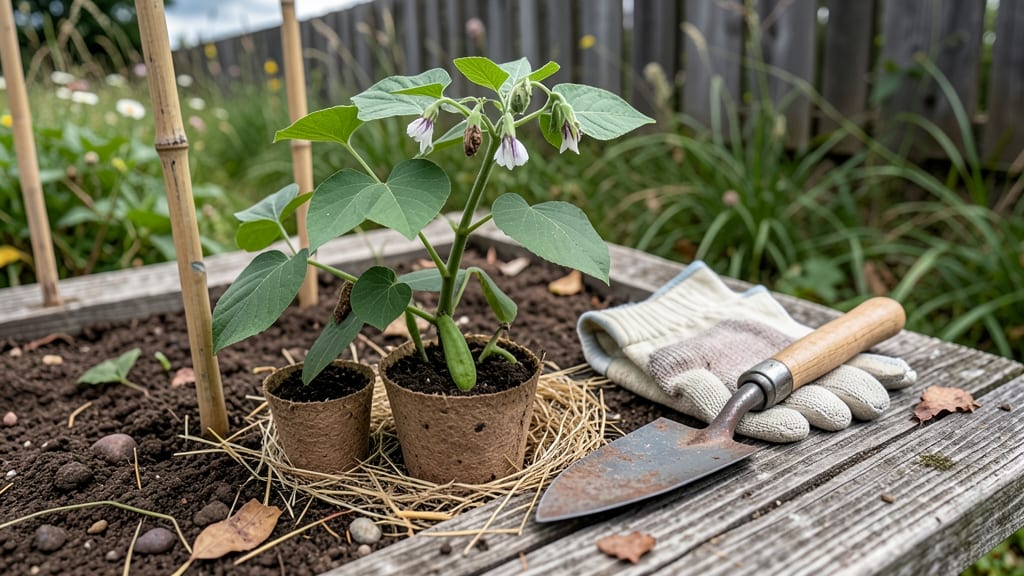
Knowing when to plant beans in Zone 6 can mean the difference between a bountiful harvest and wasted effort. The right timing ensures your 🌱 thrives, while planting too early risks frost damage, and waiting too long cuts your growing season short.
With Zone 6's 6a/6b climate, you've got a narrow window—typically between mid-April and early June—to get seeds in the ground just right.
Most gardeners in Zone 6 aim to plant beans 2-4 weeks before the last frost date, which usually lands around April 15. But here's the catch: soil temperature matters just as much as calendar dates.
Your beans need warm soil—at least 60°F—to germinate properly, and waiting for that warmth can push your planting window into early May for some varieties.
What you're about to discover is the exact schedule for planting both bush and pole beans, plus how to stretch your harvest through succession planting.
Whether you're a first-time gardener or a seasoned pro, these tips will help you maximize your yield and avoid common mistakes that leave beans struggling in Zone 6's unpredictable spring weather.
Let's break down the optimal weeks before last frost for each bean type, regional adjustments for microclimates, and how to tell if you've planted at the perfect moment. Your future harvest depends on getting this right—and I've got you covered with step-by-step timing advice that actually works in Zone 6.
Optimal planting weeks before last frost in Zone 6 for different bean types
In Zone 6, where average last frost dates fall around April 15, timing your bean planting correctly ensures healthy growth and a bountiful harvest. Beans thrive when soil temperatures reach 60°F or higher, making early spring planting risky unless you use protective measures.
Let’s break down the best planting windows for bush beans, pole beans, and specialty varieties to maximize your yield.
For most bush beans, aim to plant 2-3 weeks after your last frost date. This gives the soil time to warm up while avoiding late spring frosts that can damage tender seedlings.
In Zone 6, this typically translates to late April to early May. Bush beans grow quickly, so early planting also means you’ll harvest sooner, avoiding summer heat stress that can reduce pod production.
Pole beans, which require more time to mature, benefit from a slightly later planting window. Start sowing 3-4 weeks after last frost, or around mid-May in Zone 6. Their longer growing season allows them to take full advantage of summer warmth while still producing pods before fall temperatures drop.
Specialty varieties, like heirloom or drought-tolerant beans, may have slightly different timing needs. Always check the seed packet for specific instructions, but generally, these can follow the same 2-4 week post-frost window.
If you’re experimenting with fall planting, try sowing seeds in early August for a late-season harvest before the first frost in mid-October.
🌱
If you’re unsure about your last frost date, use a local frost calendar or check with your cooperative extension service. In Zone 6b, which has slightly later frosts, you can push planting dates 1-2 weeks later than the average.
For example, if your last frost is typically May 1, wait until May 15 to plant bush beans to avoid frost risks.
Another key factor is soil temperature. Use a soil thermometer to confirm temperatures are consistently above 60°F before planting. Cold soil can delay germination and lead to weak seedlings.
If your soil is still too cool, consider using black plastic mulch or a cold frame to warm it up faster.
For container gardening, plant beans 1-2 weeks earlier than in-ground plants because containers warm up faster in the sun. Just ensure your pots have good drainage to prevent waterlogged roots, which can stunt growth.
Containers also allow you to move plants to sunnier spots if needed, giving you more flexibility with timing.
Finally, keep an eye on weather forecasts in the days leading up to your planting date. If a cold snap is predicted, delay planting or use frost cloth to protect young seedlings. With the right timing and a little preparation, you’ll be enjoying fresh, homegrown beans in no time!
☀️
How to adjust planting dates for extended harvests in Zone 6
If you want a steady supply of fresh beans all summer, succession planting is your secret weapon. In Zone 6, where summers can be short and heat waves unpredictable, staggering your plantings ensures you're never left without a harvest.
The key is to spread out your sowing dates every 2-3 weeks after your initial planting, with the last batch going in by early June to give pods time to mature before fall frost.
For bush beans, which mature faster (about 50-60 days), you can safely plant up to three successive batches in May. Start with your first planting around April 25 (2 weeks after last frost), then follow with May 10 and May 25.
This gives you harvests spaced roughly 3 weeks apart, keeping your kitchen stocked with fresh pods.
Pole beans, which take longer to mature (around 60-70 days), benefit from just two staggered plantings. Plant your first batch around May 1 and your second around May 15.
The later planting ensures you have beans ready to pick while the first batch is still producing, extending your harvest window by 4-6 weeks compared to a single planting.
Here’s the golden rule: Never plant beans after June 15 in Zone 6. After that date, your plants won’t have enough time to mature before the first frost hits in mid-October.
Even heat-loving varieties like ‘Kentucky Wonder’ pole beans need at least 80 days to reach harvest, so timing is critical.
🌱 Zone 6 Succession Planting Schedule
- First Planting: 2 weeks after last frost (around April 25) for bush beans or May 1 for pole beans.
- Second Planting: 3 weeks after first planting (around May 10 for bush beans or May 15 for pole beans).
- Third Planting (Bush Beans Only): 3 weeks after second planting (around May 25).
- Final Deadline: No later than June 15 to ensure harvest before frost.
Don’t forget to monitor your soil temperature before each planting. If your soil hasn’t warmed to at least 60°F, delay your succession planting by a week or two. Cold soil slows germination, and you don’t want your later plantings struggling to catch up.
Use a soil thermometer to check—it’s a small investment that pays off with faster, healthier growth.
Pro tip: If your summer gets extremely hot (above 90°F for prolonged periods), beans can stop producing pods. To combat this, provide afternoon shade with a lightweight row cover or plant heat-tolerant varieties like ‘Black Valentine’ or ‘Contender’, which handle heat better than average beans.
This keeps your harvest going strong even when temperatures climb.