
Plants
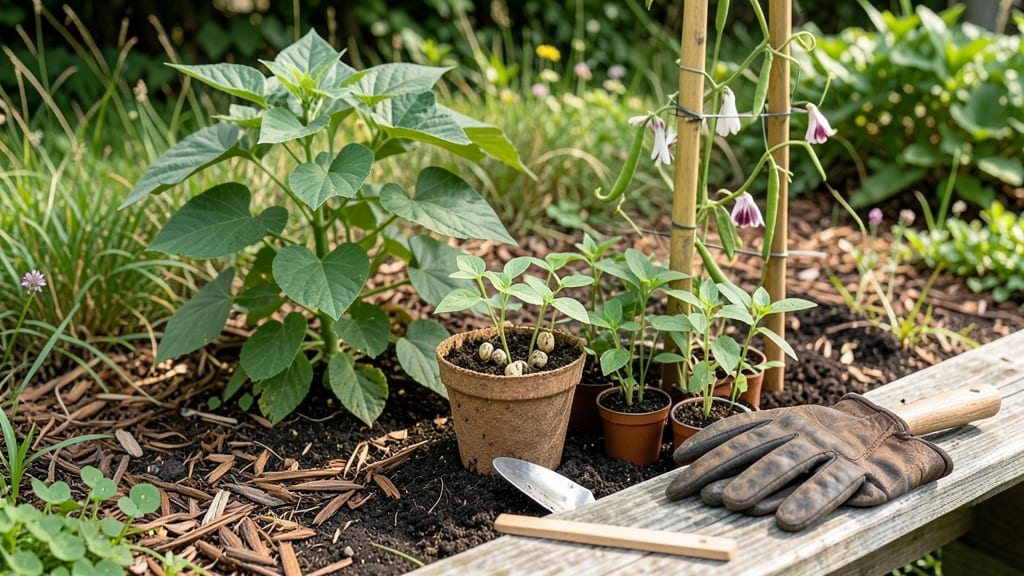
If you're wondering when to plant beans in Virginia, timing isn't just about the calendar—it's about avoiding frost, maximizing growth, and ensuring a bountiful harvest. Virginia's 7a climate gives you two prime windows: spring and summer, but getting it wrong means wasted seeds and missed meals.
Most gardeners in Virginia swear by planting 🌱 beans between April 15 and June 15 for spring varieties, then again from July 15 to August 15 for summer harvests.
The key is waiting until soil temperatures hit 60°F—any earlier, and frost will zap your tender seedlings before they even sprout.
Why does this matter? Because beans are finicky about cold. Plant too soon, and you risk stunted growth or total failure. But nail the timing, and you'll enjoy fresh pods from June through October—no greenhouse needed.
I'll show you exactly how to sync your planting with Virginia's frost-free season for the best results.
Ready to grow a garden full of crisp, flavorful beans? Let's break down the exact weeks before last frost that work best for your region, plus pro tips to stretch your harvest season longer than ever before.
Virginia’s bean planting calendar: exact weeks before last frost by region
Timing your bean planting in Virginia depends on your specific USDA hardiness zone—whether you're in the cooler Zone 5 mountains or the warmer Zone 8 coastal areas.
Beans are heat-loving crops that need soil temperatures above 60°F to germinate properly. Planting too early risks frost damage, while waiting too long means missing peak harvest windows.
For most of Virginia, the last average frost date falls between mid-April and early May, but this varies by region. Northern Virginia (Zones 6-7) typically has a later last frost than the Piedmont or Tidewater areas.
Always check your local frost-free date—I recommend using the Old Farmer’s Almanac or your county extension office for precise data.
Here’s a detailed breakdown of when to plant beans in Virginia’s most common zones, including adjustments for pole beans, bush beans, and heirloom varieties:
| Region/Zone | Last Frost Date | Best Planting Window | Weeks Before Last Frost | Soil Temp Requirement |
|---|---|---|---|---|
| Northern VA (Zone 6-7) | April 15 - May 1 | April 20 - May 15 | 2-4 weeks | 60°F+ |
| Central VA (Zone 7a-7b) | April 1 - April 15 | March 25 - April 30 | 3-5 weeks | 60°F+ |
| Piedmont (Zone 7b-8a) | March 15 - April 1 | March 1 - March 25 | 4-6 weeks | 60°F+ |
| Tidewater/Coastal (Zone 8a-8b) | February 28 - March 15 | February 15 - March 10 | 5-7 weeks | 60°F+ |
For pole beans, which take 60-90 days to mature, I recommend starting seeds indoors 4-6 weeks before your last frost date if you’re in a cooler zone. Bush beans, which mature faster (50-60 days), can be planted directly outdoors once the soil warms up. Heirloom varieties often have longer maturity times, so plan accordingly—some may need a late summer planting for a fall harvest.
Always test your soil temperature with a soil thermometer before planting. Beans won’t germinate well in cold soil, even if the air temperature is warm. Aim for consistent soil temps above 65°F for the best germination rates.
If your soil is still cool, consider using black plastic mulch to warm it up faster—this is a game-changer in Virginia’s unpredictable spring weather.
One pro tip: If you’re in a Zone 7 or warmer, you can also plant a late summer crop (around July 15) for a fall harvest. Just be sure to choose short-day varieties like ‘Blue Lake’ or ‘Kentucky Wonder’, which perform well in Virginia’s heat.
These late plantings can extend your harvest into October or even November if you’re lucky!
Microclimates matter too. If you’re in a valley or low-lying area, frost may linger longer, while hilltops or urban heat islands can warm up faster. Pay attention to your specific garden’s microclimate—I’ve seen frost hit my neighbor’s garden a week after mine because of elevation differences!
Use frost cloth or row covers if you’re planting early in cooler microclimates.
Remember, beans are warm-season crops, so they’ll bolt (flower prematurely) if stressed by heat or drought. In Virginia’s hot summers, focus on consistent watering and mulching to keep roots cool.
If you notice your bean plants flowering too early, they may not produce pods before the first frost—so timing is truly everything!
🌱
How to extend your bean harvest season in Virginia’s climate
Virginia’s humid summers and mild winters create the perfect opportunity to grow beans almost year-round. With the right strategies, you can enjoy fresh pole beans, bush beans, and heirloom varieties from spring through late fall—and even into winter with proper planning.
The key is succession planting and selecting cold-hardy varieties that thrive in Virginia’s unique climate.
Most gardeners focus on spring planting (April–May) and summer planting (July–August), but savvy Virginia growers also plant a fall crop for a late-season harvest. By staggering plantings every 2–3 weeks, you can ensure a steady supply of beans without overwhelming your garden at once.
This method also helps prevent pest pressure and disease buildup that can plague monolithic plantings.
For a winter harvest, focus on cold-tolerant varieties like ‘Wax Pole’ or ‘Kentucky Wonder’, which can handle light frosts. Plant these in late summer (August) so they mature before the first hard frost in November.
Use row covers or cold frames to extend the season even further, protecting tender plants from 30°F temperatures or lower.
🌱 Extend Your Bean Season: Key Strategies
- 📅 Succession Plant: Sow seeds every 2–3 weeks from April–August for continuous harvests.
- ❄️ Fall Planting: Choose cold-hardy varieties and plant in late July–August for a late-season harvest.
- 🌡️ Use Row Covers: Protect plants with frost blankets to extend the season into fall and early winter.
- ☀️ Optimize Sunlight: Plant in south-facing beds or use reflective mulch to maximize warmth.
- 🌱 Try Container Gardening: Grow beans in pots or raised beds for easier temperature control and mobility.
Another trick is to interplant beans with fast-growing crops like radishes or lettuce. Beans fix nitrogen in the soil, benefiting subsequent plantings, while the quick harvests of radishes or greens free up space for another round of beans.
This intercropping method maximizes your garden’s productivity and keeps pests at bay.
If you’re in USDA Zone 7a or warmer (like much of Virginia), you can even experiment with overwintering beans. Plant ‘Mammoth Melting’ or ‘Blue Lake’ varieties in late summer and mulch heavily with straw or leaves to insulate the soil.
These beans may slow growth but can produce tender pods in early spring before new plantings are ready.
Remember, soil temperature is just as critical as air temperature. Beans won’t germinate well in cold soil (below 60°F), so use a soil thermometer to time your plantings.
In northern Virginia (Zone 7a), aim for late April–early May for spring plantings, while southern Virginia (Zone 8) can start as early as mid-March.