
Trees
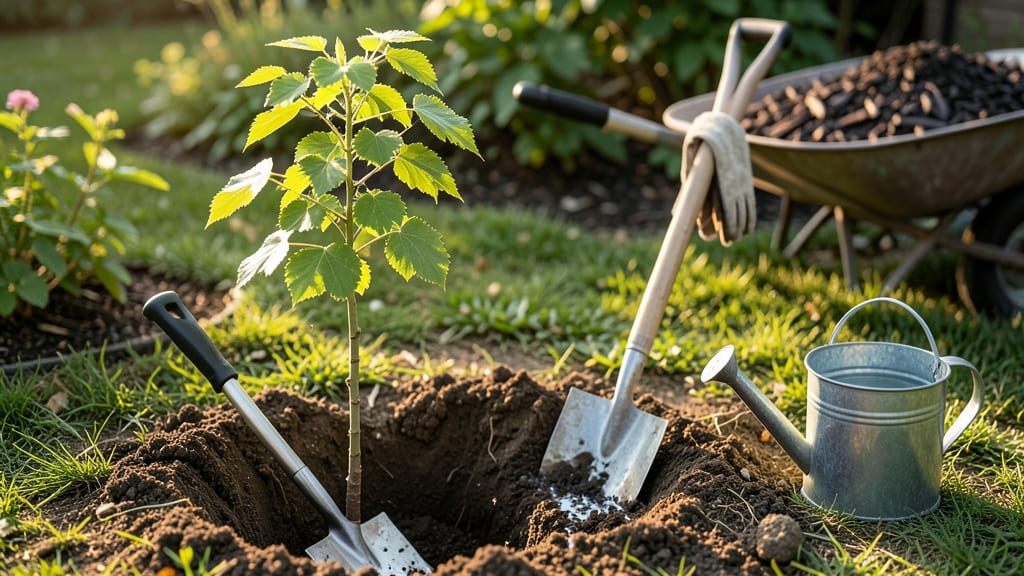
Timing your aspen tree planting in Colorado can mean the difference between a thriving 🌳 and a struggling sapling that never makes it through winter. These iconic trees need the right conditions to establish strong roots before the first frost hits, and getting the window wrong could leave your investment at risk.
With Colorado’s USDA Zones 4-7 and dramatic elevation shifts, there’s no one-size-fits-all answer—but late spring to early summer (May-June) remains the safest bet for most gardeners. This period gives young aspen trees 6-8 weeks of warm soil and sunlight to build resilience before winter dormancy kicks in.
What makes this timing so critical? Aspens demand well-drained soil and full sun, but they also need to avoid the stress of extreme heat or early frost.
I’ll break down exactly how to adjust your planting schedule based on your specific region—whether you’re in the Front Range or the Western Slope—and what to watch for in soil conditions.
Ready to plant with confidence? Let’s dive into the step-by-step guide that ensures your aspen tree not only survives but thrives in Colorado’s challenging climate.
Best planting months for aspen trees in Colorado’s climate zones
Colorado’s diverse elevations and microclimates create unique challenges for planting aspen trees. At 6,000–8,000 feet, your ideal window is late April to early May, while higher elevations (8,000–10,000 ft) should wait until mid-May to June to avoid frost damage.
These native trees need 6–8 weeks of frost-free growth to establish roots before winter dormancy.
Early spring planting (before April 15) risks late frosts that can kill tender new shoots. Conversely, fall planting after September 15 leaves insufficient time for root development before Colorado’s first hard frosts (typically October 15).
The Front Range has a slightly longer growing season than the Western Slope, so adjust your timing accordingly.
Soil temperature is your best guide: Aim for 50°F+ consistently for 2–3 weeks before planting. Use a soil thermometer to monitor—aspen roots won’t thrive in cold, soggy soil. In USDA Zones 4–6 (common in Colorado), this usually aligns with late May to early June.
For container-grown aspen trees, you have flexibility until July, but bare-root saplings must go in before bud break (typically mid-April). Urban areas with heat islands may extend the window slightly, but prioritize root establishment over pushing late-season growth.
Colorado’s microclimates can shift planting windows by 2–4 weeks. For example, Denver’s urban areas may support planting as early as April 20, while Grand Junction’s desert-like conditions push ideal timing to late June. Always check your local CoCoRaHS station or Colorado Climate Center for frost data.
If you miss the primary window, fall planting is possible in September—but only if your aspen has 4–6 weeks to harden off before frost. Use mulch (3–4 inches) to insulate roots and water deeply once every 10–14 days to prevent drought stress during root establishment.
Pro tip: Bare-root aspen trees planted in late May often outperform containerized saplings by 20–30% in first-year survival rates. This is because their roots can immediately access native soil without the shock of container removal. For container-grown trees, prune roots by 10–15% before planting to encourage new growth.
Never plant aspen trees in Colorado’s winter—even if the ground isn’t frozen. Dormant roots won’t establish, and saplings will heave from freeze-thaw cycles. Spring planting ensures your aspen taps into Colorado’s short but intense growing season for maximum early growth.
For high-altitude sites above 9,000 feet, consider delaying until July if early-season conditions are unpredictable. These trees are hardy but not frost-proof—prioritize root depth over top growth in Colorado’s challenging climate.
Best planting months for aspen trees in Colorado’s climate zones
Colorado’s diverse elevations and microclimates create unique planting windows for aspen trees. At 6,000–8,000 feet, aim for late May to early June—when soil temperatures consistently stay above 50°F. Higher elevations (8,000–10,000 ft) may delay planting until June 1–15 to avoid early frost risks.
Early spring planting (March–April) is risky unless you’re using containerized saplings with established roots. Bare-root aspen trees planted too soon can suffer from frost heaving, where roots freeze and thaw unevenly, damaging growth. Always check your local USDA Zone 4–7 frost dates before committing.
The Front Range (Denver, Boulder) typically has a longer growing season, allowing for May–June planting, while the Western Slope (Grand Junction, Durango) may need to wait until late June due to cooler nights. Urban areas with heat islands can push planting into early July, but monitor soil moisture closely.
| Elevation Range | Ideal Planting Window | Soil Temp Threshold | Key Consideration |
|---|---|---|---|
| 6,000–8,000 ft | Late May–Early June | 50°F+ consistently | Front Range, urban heat islands |
| 8,000–10,000 ft | June 1–15 | 55°F+ consistently | Mountain towns, shorter seasons |
| Western Slope | Late June–Early July | 60°F+ consistently | Cooler nights, delayed spring |
Fall planting is not recommended for aspen trees in Colorado, as their root systems need 6–8 weeks of warm soil to establish before winter dormancy. If you miss the spring window, consider containerized trees with root balls—these adapt better to delayed planting.
Always test your soil’s moisture retention before planting. Aspens hate soggy roots but also struggle in dry, rocky soil. Amend with compost or peat moss if your soil drains too quickly. Mulch heavily (3–4 inches) after planting to retain moisture and regulate soil temperature.
Pro tip: Use a soil thermometer to confirm temperatures. Aim for 60°F+ at 4 inches deep—this ensures roots grow actively without stress. Monitor local weather forecasts for unexpected late frosts, especially in higher elevations.