
Plants
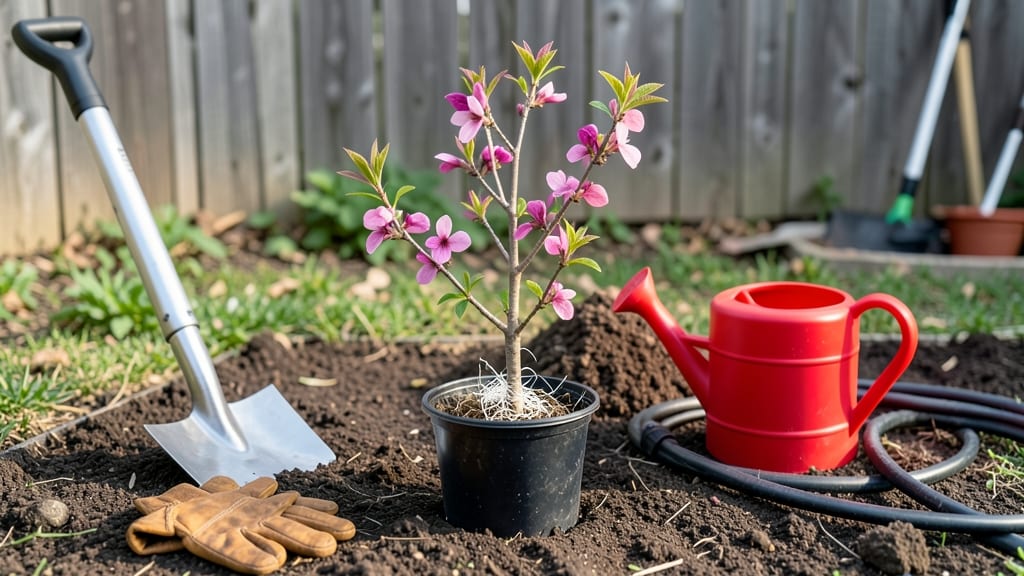
Planting a tree in Texas at the wrong time can mean stunted growth, weak roots, or even death—especially with extreme heat and drought. The key to success lies in understanding your region's unique climate, whether you're in the humid East or arid West.
For most Texas trees, the best planting window stretches from late fall to early spring, when cooler temperatures and occasional rain give young roots a fighting chance. But timing isn't one-size-fits-all—North Texas' earlier frosts demand different prep than South Texas' longer growing seasons.
I'll break down exactly when to plant in your specific area, including how to prepare for Texas' challenging soil types and water restrictions. Let's get your 🌳 off to the strongest start possible.
You'll discover regional planting calendars, species-specific tips, and how to avoid common mistakes that sabotage tree health. Ready to plant with confidence?
Best months to plant trees in Texas by region (East vs. West)
Texas' diverse climate zones mean East Texas and West Texas have very different planting windows. In the humid East, you can plant as early as February, while the arid West waits until November to avoid summer drought.
The key is planting when soil stays cool and moisture is consistent—critical for root growth before summer heat arrives.
For East Texas (USDA Zones 7b-9a), aim for November through March. The first frost typically arrives in late November, but the ground stays workable until early spring. This region’s high humidity and frequent rainfall make late fall to early spring ideal for Live Oak and Southern Magnolia.
In Central Texas (Zones 8a-9a), your window narrows to November to February. Cities like Austin and San Antonio experience hot summers and mild winters, so planting in late fall lets roots establish before the heat. Cedar Elm and Texas Mountain Laurel thrive when planted in this window.
West Texas (Zones 7b-9a) demands patience—plant between November and January to avoid the brutal summer heat. The Chisos Maple and Mexican Sycamore are well-suited to this region, but they need deep watering for the first year.
The last frost in El Paso or Lubbock can be as late as March 15, so don’t rush planting.
In all regions, avoid planting in summer (June–August). The intense heat and droughtg conditions stress young trees, causing transplant shock or even death. If you must plant in summer, choose shade-tolerant species like the Texas Redbud and provide daily watering.
For container-grown trees, you have slightly more flexibility. These trees can be planted in early spring (March) or late fall (November) because their roots are already established. Just ensure the root ball stays moist until planting. Bald Cypress and Chinese Pistache are great container options for Texas.
One mistake I see often? Planting too early in East Texas (before November) or too late in West Texas (after January). Always check your local frost dates—the National Weather Service provides free frost maps for Texas.
For example, Houston’s last frost is around January 31, while Midland’s is February 15.
After planting, focus on watering deeply (1–2 inches per week) for the first year. Use a soaker hose or drip irrigation to keep moisture consistent. Mulch with 3–4 inches of organic mulch (like shredded bark) to lock in moisture and regulate soil temperature.
Finally, consider your tree’s maturity size. A Live Oak can reach 60–80 feet, while a Dwarf Yaupon Holly stays under 15 feet. Plant larger trees 10–15 feet from structures to avoid root conflicts and future pruning headaches.
Timing your tree planting right in Texas isn’t just about the calendar—it’s about understanding your microclimate.
Whether you’re in the piney woods of East Texas or the desert landscapes of West Texas, the goal is the same: give your tree the best chance to thrive by planting when the conditions are ideal. 🌳
Critical factors that determine tree planting success in Texas
Texas' extreme heat and variable rainfall make planting timing just as important as soil preparation. The wrong conditions can stress young roots, leading to poor establishment. I’ve learned the hard way—planting a Live Oak in July meant watching it struggle through 100°F+ temperatures before it could take hold.
First, avoid peak summer months (June-August) when evaporation rates are highest and water restrictions often apply. Even drought-tolerant species like Mesquite need careful monitoring during these months. The ideal window is late fall to early spring when cooler temps and consistent moisture give roots time to establish.
Soil moisture is another make-or-break factor. Texas soils range from clay-heavy in the East to sandy loam in the West. Before planting, I always test soil moisture—stick your finger 6 inches deep.
If it’s dry, water deeply 1-2 days before planting to simulate natural conditions. Overwatering here is just as bad as underwatering.
Drought-resistant species like Texas Mountain Laurel or Eastern Redbud can handle drier conditions, but they still need proper initial care. I once planted a Cedar Elm in West Texas without mulching—big mistake. The top 6 inches of soil dried out too fast, and the tree took 2 years to recover.
Don’t overlook root zone preparation. Dig a hole twice as wide as the root ball but no deeper—compacted soil at the bottom can strangle roots. Amend native soil with compost (20-30%) to improve water retention and drainage.
For clay soils, mix in sand or peat moss; for sandy soils, add organic matter.
Finally, mulch properly. Use 3-4 inches of wood chips (not rock mulch) and keep it 6 inches away from the trunk to prevent rot. This retains moisture and regulates soil temp.
I’ve seen 50% higher survival rates in mulched trees versus those planted without. Water deeply after planting and weekly for the first year, even if it doesn’t rain.