
Plants
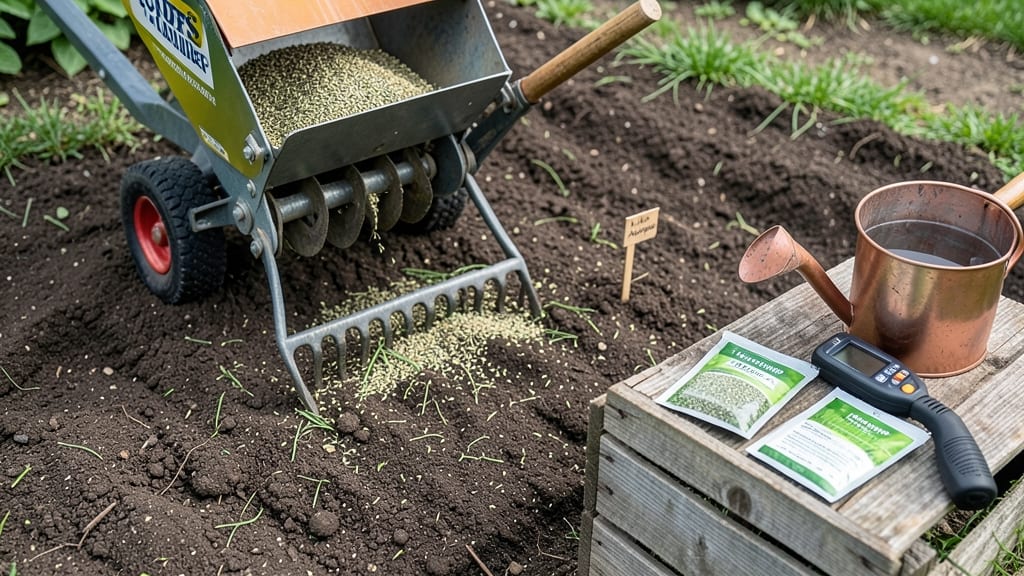
If you've ever planted grass seed in Massachusetts only to watch it struggle or fail, you're not alone—but the best time to plant grass seed in Massachusetts is the key to avoiding that frustration.
The secret to a thick, vibrant lawn lies in understanding the perfect timing, because getting it wrong can mean wasted effort and money.
Massachusetts' 5b-6b climate zones create ideal conditions for cool-season grasses like Kentucky Bluegrass and Fine Fescue, but planting too early or late disrupts root development. The best window isn't just about months—it's about soil temperatures, frost dates, and even regional microclimates that can vary dramatically from Boston to the Berkshires.
I've seen firsthand how a well-timed fall planting (late August to early October) gives grass roots time to establish before winter, while spring plantings require careful soil prep to avoid drought stress.
Let me break down exactly when to plant for your specific location and how to set your lawn up for success.
Whether you're seeding a new yard or overseeding an existing one, these insights will help you skip the guesswork and create the lush, green space you've been dreaming of—without the frustration.
Best time to plant grass seed in Massachusetts: cool season window explained
If you're dreaming of a vibrant, thick lawn in Massachusetts, timing your grass seed planting is everything. The cool season window—typically late August to early October—is your golden opportunity.
This period lets seeds establish strong roots before winter dormancy, giving you a head start next spring. Planting outside this window risks weak germination, weed competition, or wasted seed.
Massachusetts' USDA zones 5b-6b mean our summers are warm but winters are cold enough to force grass into dormancy. The ideal window aligns with soil temperatures between 50°F and 70°F, perfect for cool-season grasses like Kentucky Bluegrass and Fine Fescue.
These varieties thrive in our climate, but they need the right timing to flourish.
Here’s why fall is your best bet: cooler air temperatures reduce water evaporation, while longer daylight hours fuel germination. Plus, you avoid the summer heat stress that can dry out seeds before they sprout.
Spring planting (early April to mid-May) is a secondary option, but fall gives you a 6-8 week advantage before winter sets in.
Pro tip: Check your local frost dates—aim to plant 4-6 weeks before the first frost (usually mid-October in most of MA). This ensures roots establish before dormancy kicks in. For example, if your first frost is October 15th, shoot for planting by September 15th.
While fall is ideal, don’t overlook late summer planting (mid-August) as a bonus window. This gives seeds a 6-8 week head start before winter, often resulting in a thicker lawn by spring. Just be prepared to water more frequently during the hotter August days to prevent drying.
Spring planting works too, but it’s riskier. You’ll compete with weed germination and need to maintain consistent moisture as temperatures rise. Plant too late in spring, and you’ll face summer heat stress before roots establish.
For best results, wait until soil temperatures hit 50°F consistently—usually around early April in most of Massachusetts.
One common mistake? Planting in early fall (September) and assuming it’s too late. While September is great, October can still work if you plant 4-6 weeks before frost. Use a soil thermometer to check—ideal temps are 60°F-70°F. If temps drop below 50°F, germination slows dramatically.
Remember: Cool-season grasses like Tall Fescue and Perennial Ryegrass are your best bets for Massachusetts. These varieties handle our cold winters and humid summers better than warm-season grasses. Pair your planting with proper soil prep—loosen soil, remove weeds, and add compost for nutrients.
For a guaranteed green lawn, mark your calendar for late August to early October. This window maximizes root growth, minimizes weed competition, and sets you up for a lush, healthy lawn next summer.
And if you’re in Zone 6b (like Western MA), you might even squeeze in a late October planting if frost is delayed.
How Massachusetts climate zones affect grass seed planting timing
Massachusetts’ diverse climate zones—from coastal Boston to the inland Pioneer Valley—create unique conditions for planting grass seed. Coastal areas like Cape Cod experience milder winters, while inland regions (like Worcester) see earlier frosts. These differences mean your planting window may shift by weeks depending on where you live.
For example, Boston (Zone 6b) typically sees its last frost around April 15, while Western MA (Zone 5b) can hold frost until May 1. This delay affects when you can safely plant in spring—waiting for soil temperatures to hit 50°F is critical for germination.
Here’s how to adjust your schedule based on your local microclimate:
| Region | Last Frost | First Frost | Best Fall Window |
|---|---|---|---|
| Coastal (Boston, Cape Cod) | April 15 | October 20 | Late August - Mid-October |
| Central (Worcester, Springfield) | April 22 | October 10 | Late August - Early October |
| Western (Pittsfield, Berkshires) | May 1 | October 5 | Late August - Late September |
Inland areas like the Berkshires also experience cooler nights, which can slow seed germination. If you’re planting in late summer, aim for late August to give seeds time to establish roots before the first frost.
Coastal areas have a bit more flexibility, but avoid planting after mid-October—new grass won’t have time to root deeply before winter.
Soil temperature is your best guide. Use a soil thermometer to confirm it’s above 50°F for spring planting or below 80°F for fall. In Western MA, this might mean waiting until May 15, while coastal zones can start earlier.
Pro tip: Check your local USDA Plant Hardiness Zone (most of MA is Zone 5b-6b) and adjust your schedule accordingly. For example, Kentucky Bluegrass thrives in these zones but needs cooler soil to germinate—planting in September gives it the ideal balance of warmth and moisture.
Don’t overlook microclimates like south-facing slopes, which warm up faster in spring. These spots can support earlier planting, while shaded areas may require a later start. Always test your soil’s readiness before committing to a schedule—consistency wins over speed when it comes to grass seed success. 🌱