
Trees
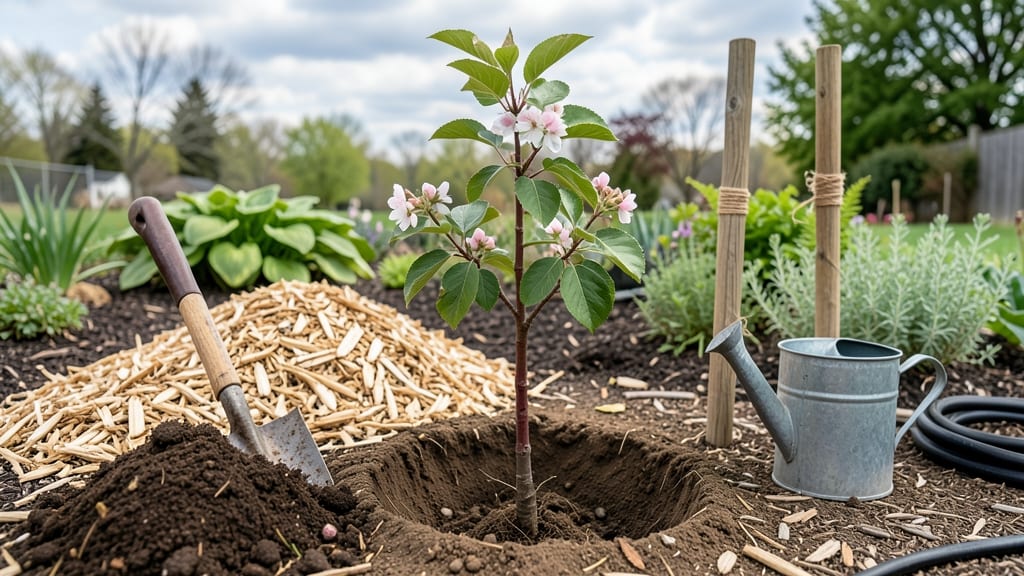
Timing your apple tree planting in Illinois could mean the difference between a thriving 🍎 orchard and a sad, frost-bitten sapling. With USDA Zones 5b-6b bringing unpredictable frost dates, getting the schedule right is more than just a best practice—it's essential for survival.
Most Illinois gardeners swear by early spring (March-April) planting, when soil temperatures rise just enough to encourage root growth before summer's heat arrives. But fall (October-November) offers another prime window for establishing roots before winter dormancy.
The key? Avoid planting when ground temps dip below 40°F—that's when roots struggle to establish.
I've seen firsthand how a 2-week difference in planting can affect an apple tree's first-year growth. Whether you're working with bare-root saplings or container-grown trees, understanding your local frost dates and microclimates (Chicago's lake effect vs. St. Louis' inland patterns) makes all the difference in long-term success.
Let me walk you through the exact planting windows, soil prep secrets, and variety-specific timing that'll have your Illinois apple trees bearing fruit in just a few years—not just surviving their first winter. Ready to plant with confidence?
Optimal planting windows for Illinois apple trees: month-by-month breakdown
In Illinois’ USDA Zones 5b and 6a, the best times to plant apple trees are early spring (March-April) or fall (October-November). These windows minimize frost risk while allowing roots to establish before extreme temperatures.
Let’s break down the ideal schedule for bare-root and container-grown trees, including regional adjustments for areas like Chicago or St. Louis.
For bare-root apple trees, early spring planting (late March to mid-April) aligns with soil thaw and bud break. Fall planting (mid-October to early November) gives roots time to establish before winter dormancy. Container-grown trees offer more flexibility—plant them anytime soil isn’t frozen, but avoid extreme heat or cold.
Illinois’ last spring frost typically occurs around April 15, while the first fall frost hits October 15. Planting outside these windows risks frost heave or heat stress. Northern Illinois (Zone 5b) has slightly earlier frost dates than southern areas (Zone 6a), so adjust timing accordingly.
Soil temperature is critical: aim for 40°F or warmer for spring planting. In fall, plant when soil temps drop below 60°F but before ground freezes. Use a soil thermometer to monitor conditions—this small tool prevents costly mistakes.
Regional microclimates matter! Urban areas like Chicago may experience 2-3 weeks earlier frost than rural southern Illinois. Check local Cooperative Extension Service data for precise frost dates in your county. This ensures your planting window aligns with your specific climate.
| Planting Window | Tree Type | Soil Temp | Key Consideration |
|---|---|---|---|
| Early Spring (March-April) | Bare-root | 40°F+ | Plant before buds swell; water deeply after planting. |
| Fall (October-November) | Bare-root | Below 60°F | 6-8 weeks before first frost; mulch heavily. |
| Year-round (except winter) | Container-grown | 50°F+ | Avoid extreme heat/cold; water consistently. |
| Late April-May | Bare-root (emergency) | 45°F+ | High risk of drought; mulch and water frequently. |
Northern Illinois gardeners should prioritize fall planting for apple trees, as spring can bring unpredictable frost. Southern Illinois’ milder winters make early spring planting slightly more forgiving, but both regions benefit from fall’s cooler temps and reduced pest activity.
When planting in March or April, choose a day with temperate weather (50-60°F) and no rain forecast for 24 hours. This reduces transplant shock. For fall planting, select a cool, overcast day in October to minimize stress on the tree’s root system.
After planting, mulch with 3-4 inches of organic matter (straw or wood chips) to retain moisture and regulate soil temperature. In Illinois’ humid climate, mulch also suppresses weeds and prevents soil-borne diseases. Replenish mulch annually in early spring.
Monitor your tree’s progress! New growth in spring or fall indicates successful root establishment. If leaves yellow or growth stalls, adjust watering or check for compacted soil. Illinois’ clay-heavy soils often need amendments like compost to improve drainage.
Pro tip: Mark your planting date on a calendar. In USDA Zone 5b, trees planted in fall may produce fruit 1-2 years earlier than spring-planted trees. This head start is worth the extra planning!
How to choose the perfect planting month based on your apple tree variety
Not all apple trees thrive on the same schedule in Illinois. Cold-hardy varieties like McIntosh and Cortland can handle early spring planting, while heat-sensitive types like Fuji or Gala need cooler fall windows. Your choice of variety directly impacts your planting timeline—and your harvest’s success.
For early spring planting (March-April), prioritize dwarf or semi-dwarf varieties like Honeycrisp or Zestar! These adapt faster to warming soil and establish roots before summer heat sets in. Standard-sized trees (like Granny Smith) also work but require extra care during Illinois’ unpredictable spring frosts.
Fall planting (October-November) suits late-blooming varieties such as Jonagold or Empire. These trees benefit from 6-8 weeks of root growth before winter dormancy, giving them a head start in USDA Zone 5b/6a. Avoid planting tropical varieties (e.g., Anna) in fall—they struggle with Illinois’ cold snaps.
Spring Planting (March-April)
- ✅ Best for: Dwarf/semi-dwarf trees
- ✅ Soil temp: 40°F+ (root growth starts)
- ✅ Risk: Late frost damage (protect with burlap)
Fall Planting (October-November)
- ✅ Best for: Late-blooming varieties
- ✅ Soil temp: 50°F+ (roots harden before freeze)
- ✅ Risk: Early frost (mulch heavily)
Pro tip: Check your tree’s chilling hour requirements. McIntosh needs 800-1,000 hours below 45°F, while Fuji requires 500-700 hours. Illinois’ climate delivers enough chilling for most varieties, but early spring planting of high-chill types (like Rome) can delay fruiting by a year.
If you’re unsure about your variety’s needs, consult your local Illinois Extension office or nursery. They’ll confirm whether your tree aligns with Zone 5b/6a’s seasonal rhythms. For example, Arctic Sweet (a cold-hardy hybrid) thrives with fall planting, while Pink Lady prefers early spring to avoid summer stress.
Remember: Container-grown trees offer flexibility—they can be planted year-round (except winter), but bare-root trees demand precise timing. Match your variety to the season, and your apple tree will reward you with decades of harvests. 🍏