
Trees
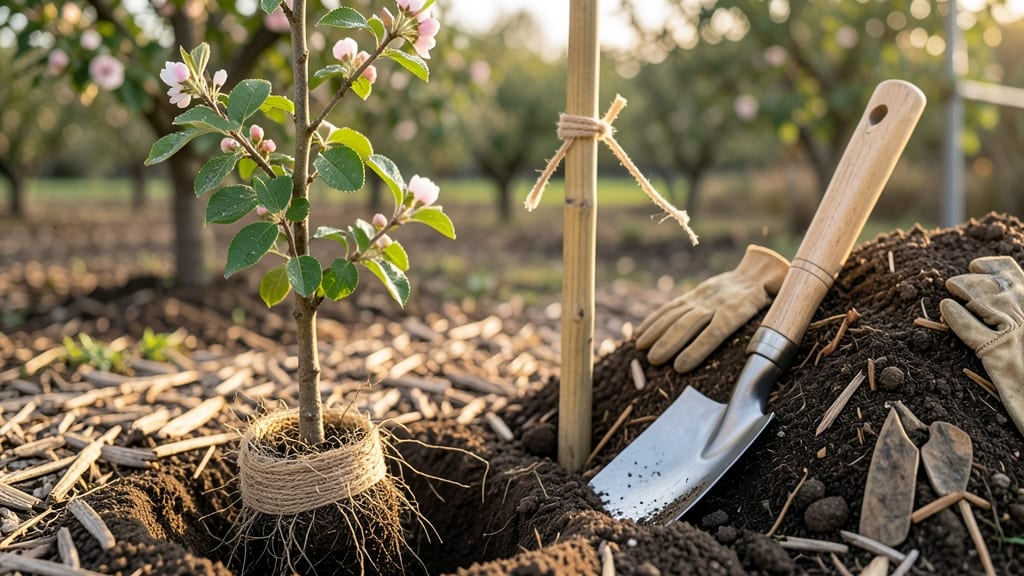
Timing is everything when it comes to planting an 🍎 Apple Tree in Maine—get it wrong, and your young tree might not survive the harsh winters. The key lies in understanding Maine’s unique climate, where USDA Zone 5a-6b conditions demand precision for successful growth.
Most gardeners in Maine plant their 🍎 Apple Tree during two optimal windows: early spring, just as the frost recedes, or in the fall before the ground freezes. This timing gives roots the chance to establish before extreme cold sets in, setting the stage for a thriving orchard.
But here’s the catch: planting too early in spring risks frost damage, while waiting too long in fall leaves roots vulnerable to winter chill.
I’ll break down the exact months to plant, the best varieties for Maine’s climate, and the steps to protect your tree from the first frost to harvest season.
Whether you’re a first-time gardener or a seasoned orchard keeper, these insights will help you plant with confidence—and enjoy homegrown apples for years to come.
Best planting months for apple trees in Maine’s Zone 4B climate
Timing is everything when planting apple trees in Maine’s Zone 4B climate, where last frost dates can vary dramatically from coastal to inland regions. The ideal planting window is a narrow but critical period to ensure your young tree establishes strong roots before winter.
For most of Maine, this means late May to early June or late September, when soil temperatures consistently stay above 50°F (10°C).
Planting too early risks frost damage to tender roots, while waiting too long may leave insufficient time for root growth before winter dormancy. Inland areas like Presque Isle often have earlier frost dates than coastal regions like Portland, so always check local USDA frost charts before digging.
The Maine Agricultural Calendar is an excellent resource for tracking these critical dates.
For bare-root trees, which are commonly sold in Maine nurseries, the early spring window (May) is preferred because it allows roots to establish before summer heat stress. However, container-grown trees can be planted slightly later into June since their roots are less vulnerable to drying out.
Fall planting in September works well if you choose cold-hardy varieties and protect the tree with mulch and burlap wraps.
| Planting Window | Soil Temp Requirement | Frost Risk | Best For |
|---|---|---|---|
| Late May - Early June | 50°F+ (10°C+) | Low (post-last frost) | Bare-root trees |
| Late September | 45°F+ (7°C+) | Moderate (pre-first frost) | Cold-hardy varieties |
| June (container-grown) | 55°F+ (13°C+) | Low (established roots) | Potted trees |
One of the biggest mistakes Maine gardeners make is planting apple trees in early spring (March-April), when soil is still too cold and frosty. Young roots can suffocate in frozen ground or become damaged by late frosts.
Instead, wait until the ground is workable and thawed—typically after May 15th in most of Maine. For fall planting, aim to finish by September 15th to allow roots to harden off before winter.
If you’re unsure about your local frost dates, use the National Oceanic and Atmospheric Administration (NOAA) frost calculator or consult your county extension office. For example, Bangor typically has its last frost around May 10th, while Bar Harbor may see frost as late as May 25th.
These differences can mean the difference between a thriving tree and a failed planting.
Another critical factor is rootstock selection. In Maine, dwarf or semi-dwarf rootstocks (like M.9 or MM.106) are popular because they establish faster and produce fruit sooner. However, they require extra winter protection since their smaller root systems are more vulnerable to cold.
Standard rootstocks (like seedling or MM.111) are hardier but take longer to bear fruit.
Pro tip: If you’re planting in coastal Maine, where winters are milder, you might extend your fall planting window into early October. However, inland areas should stick to September deadlines to avoid winter damage.
Always water deeply after planting to encourage root growth, especially if you’re planting in sandy soil, which drains quickly and can dry out young roots.
Finally, consider the microclimate of your planting site. A south-facing slope warms up faster in spring, while a northern exposure may stay colder longer.
If your yard has frost pockets, avoid planting there—apple trees need at least 6-8 hours of sunlight daily to thrive, and frost-prone areas can delay root establishment.
With the right timing and preparation, your apple tree will have the best chance to survive Maine’s winters and reward you with homegrown fruit in 3-5 years.
The key is patience and attention to local climate cues—don’t rush the process, and your tree will thank you with vigorous growth and abundant harvests for decades.
Best planting months for apple trees in Maine’s Zone 4B climate
Maine’s Zone 4B climate means apple trees must be planted during two narrow windows: late spring (May-June) or early fall (September). These months balance soil warmth and frost risk, giving young roots time to establish before winter.
Planting outside these windows often leads to root stress or freeze damage.
In late spring, soil temperatures typically reach 50°F+ by mid-May, signaling it’s safe to plant. This timing allows roots to grow before Maine’s first frost (mid-October).
Fall planting in September gives roots time to harden off before winter, but avoid planting after October 1st—new growth won’t survive our cold snaps.
Soil temperature is your best guide: Use a soil thermometer to confirm 50°F+ before planting. Cool, wet soils in April or early May delay root growth, while July-August plantings risk heat stress and limited root establishment before frost.
| Planting Window | Ideal Soil Temp | Frost Risk | Root Establishment |
|---|---|---|---|
| Late Spring (May-June) | 50°F+ | Low (post-May 15) | High (6-8 weeks before frost) |
| Early Fall (September) | 45°F+ | Moderate (late Sept) | Moderate (4-6 weeks before frost) |
| Avoid (April, July-August) | <45°F or >70°F | High (April) or None (Summer) | Low (stress or insufficient time) |
🌱 Key: Late spring or early fall are your safest bets for Maine’s climate.
For bare-root trees, spring planting is ideal—they wake from dormancy and establish roots quickly. Container-grown trees, however, can handle fall planting better because their roots aren’t exposed. Always water deeply after planting to encourage root spread, and mulch heavily (4-6 inches) to insulate roots in winter.
Check Maine’s USDA Plant Hardiness Map for your exact location—coastal areas (like Zone 5a) have slightly longer growing seasons than inland Zone 4a. If you’re unsure, err on the side of late May or early September to minimize frost risk.
Timing isn’t just about months—it’s about weather patterns. Monitor local forecasts for unusual early frosts (common in Zone 4B) and adjust your planting date accordingly. A 1-2 week delay can make all the difference for a young tree’s survival.