
Trees
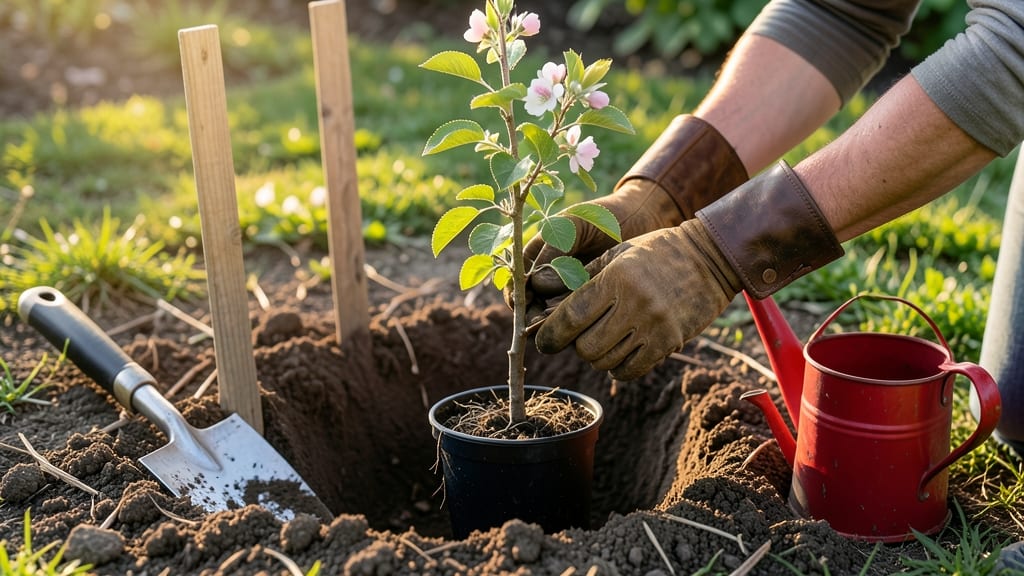
Planting your 🍎 apple tree at the wrong time in England could mean struggling roots, stunted growth, or even winter damage—but get the timing right, and you’ll set your tree up for decades of fruitful harvests.
The secret lies in understanding your region’s climate, from the milder winters of southern England to the colder snaps of the north.
Most gardeners know late autumn to early spring is the ideal window, but the best months vary depending on whether you’re planting bare-root saplings or container-grown trees. In the 8a-9a zones, March and April are golden for root establishment, but northern growers might need to adjust for earlier frosts.
Why does timing matter so much? Apple trees need 4-6 months of root growth before winter dormancy kicks in. Plant too late, and your tree won’t develop strong roots before the cold sets in.
I’ll break down the exact windows for your region—plus how to tell if your soil is ready.
Ready to avoid common mistakes like frost damage or missed planting windows? Let’s dive into the science and practical steps to give your apple tree the perfect start—so you can enjoy homegrown fruit in just a few years.
Best months to plant apple trees in England by region (with climate considerations)
England’s diverse climate means the best time to plant apple trees varies dramatically from the mild winters of Cornwall to the harsh frosts of Scotland.
In Southern England, you can plant as late as March or even April, while in Northern England and Scotland, aim for October to early November to avoid winter damage. The key is planting when the soil is workable but before the tree enters active growth.
For Midlands growers, the window is slightly wider—late autumn (October-November) or early spring (March-April). This flexibility accounts for the region’s variable frost patterns, where sudden cold snaps can damage young roots.
Always check your local frost dates (typically late October to November) to time planting just before dormancy sets in.
Regional differences aren’t just about frost. Southern England’s warmer microclimates allow for later planting, while Northern England’s shorter growing seasons demand earlier action. Even within regions, elevation matters—hilltop gardens may need a month earlier than valley floors. Use the Met Office’s frost risk maps to refine your timing.
🌱
| Region | Ideal Planting Window | Key Climate Factor | Soil Prep Timing |
|---|---|---|---|
| Southern England | Late October–March (best: November-February) | Mild winters, frost-free periods | October-November (6-8 weeks before planting) |
| Midlands | October-November or March-April | Variable frost, earlier frosts than south | September-October or February-March |
| Northern England | October-November (before first frost) | Short growing season, harsh winters | September-October (critical for root establishment) |
| Scotland | October (before ground freezes) | Early frosts, cold soils | September (soil prep 8+ weeks early) |
Soil preparation is just as critical as planting timing. In Southern England, start digging in October to improve drainage, while in Northern regions, begin in September to account for earlier frosts.
Work in well-rotted compost or manure to boost nutrient levels, and avoid heavy clay soils unless amended—apple trees hate waterlogged roots.
If you’re planting container-grown apple trees (popular for urban gardens), the window extends into early spring (March-April), even in colder regions. These trees adapt better to late planting because their roots aren’t exposed to frost heave.
However, bare-root saplings must go in the ground before bud break (typically March in the south, February in the north).
One common mistake? Planting in early spring (April-May). By then, roots may struggle to establish before summer drought sets in. Always prioritize root growth over foliage—a tree with strong roots will outperform one planted too late.
For container varieties, you can push the envelope slightly, but bare-root trees demand precision.
🌿
For dwarf apple trees (ideal for small gardens), timing is slightly more forgiving—plant them 1-2 weeks later than standard varieties. Their smaller root systems establish faster, but they still need 6-8 weeks of root growth before winter.
If you’re in Zone 8a-9a (most of England), aim to plant by mid-November at the latest to avoid winter stress.
Finally, consider microclimates. A south-facing wall can extend your planting window by 2-4 weeks in colder regions, while low-lying areas may need earlier planting due to cold air pooling. Always scout your garden for frost pockets—these are the first places young roots will suffer.
How soil temperature and frost dates affect apple tree root establishment
Apple trees are delicate when young, and their root development hinges on two critical factors: soil temperature and frost timing. Plant too early, and frost can heave roots out of the ground, stunting growth.
Plant too late, and roots won’t establish before winter dormancy, leaving your tree vulnerable to stress. The ideal window balances these risks—typically when soil temps hit 4-10°C (39-50°F) and frost is no longer a daily threat.
In England, this usually means mid-March to early April for most regions, but soil readiness varies by location. Southern England’s milder winters often allow earlier planting (as early as February), while Northern England may need to wait until late April.
The key is ensuring roots have 6-8 weeks of warm soil before the next frost—long enough to anchor deeply but not so late that growth is stunted.
🌱 Critical Soil & Frost Rules
- Soil Temp: Roots need 4-10°C (39-50°F) to grow actively.
- Frost Risk: Avoid planting when night temps drop below 0°C (32°F).
- Root Time: Give saplings 6-8 weeks of frost-free growth.
- Test Ready: Push a spade into soil—if it feels cool but workable, it’s time.
🔍 Pro Tip: Use a soil thermometer (£10-£15) for precision—bury it 10cm deep for accurate readings.
Frost heave is a sneaky enemy—when water in the soil freezes and expands, it pushes roots upward, damaging delicate new growth. This is why bare-root trees (sold dormant) are best planted in winter (November-February), when they’re already dormant and less vulnerable.
Container-grown trees, however, can handle early spring planting (March-April) because their roots are already established in a controlled environment.
To check if your soil is ready, perform a simple spade test: Dig a 15cm hole and feel the soil. If it’s cool but crumbly (not icy or muddy), it’s safe to plant. For extra safety, mulch heavily after planting to insulate roots from late frosts.
In colder regions like Yorkshire or Scotland, delay planting until after the last frost date—typically mid-April—to avoid frost damage entirely.
Remember, container-grown trees have a slight advantage—their roots are already established, so they can tolerate later planting (even into May) compared to bare-root saplings. However, they’ll still benefit from early spring planting to maximize their first growing season.
If you’re in doubt, err on the side of planting slightly later rather than risking frost damage to fragile roots.
Once planted, monitor your tree’s progress by checking for new leaf growth—this confirms roots are actively growing. If leaves appear yellow or wilted, it may signal root stress from either too-early planting or poor soil drainage. Adjust your watering and mulching accordingly to support healthy establishment.