
Trees
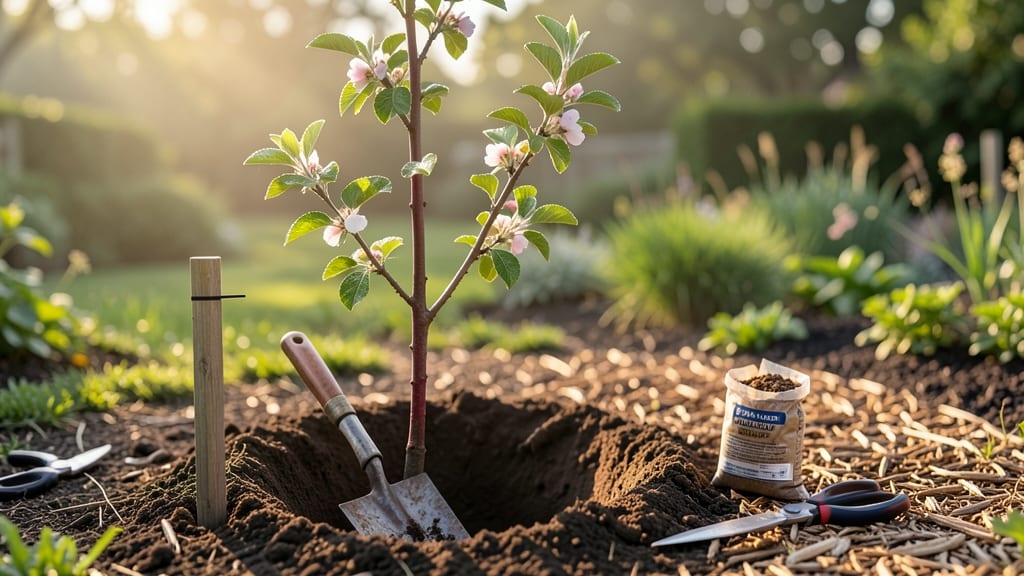
Timing your apple tree planting in Zone 5 isn’t just about grabbing a shovel—it’s the difference between a tree that thrives and one that struggles to survive your region’s unpredictable frosts.
Whether you’re dreaming of a backyard orchard or just one 🍎 tree for fresh fruit, getting the months right ensures strong roots and fruit production for years.
Zone 5’s chill-hour requirements (600–1,200 hours) mean early spring or fall are your best bets—April to May or September to October. But here’s the catch: Northern Zone 5 areas need extra caution against late frosts, while southern parts can push planting slightly later.
Let’s break down the exact windows and prep work to set your tree up for success.
You’ll learn how to match your apple variety to your local chill hours, prep the soil for optimal drainage, and protect young trees from springtime frost surprises. Plus, I’ll share a quick checklist to time your planting perfectly—no guesswork involved.
By the end, you’ll know exactly when to plant, what to watch for, and how to give your 🍎 tree the best start in Zone 5’s climate. Ready to dig in?
Optimal planting windows in Zone 5 for apple tree success
In Zone 5, where winters are cold and springs unpredictable, timing your apple tree planting is everything. The two best windows are early spring (April–May) and early fall (September–October).
These periods align with soil thaw and dormancy cycles, giving young roots the best chance to establish before extreme weather hits.
Spring planting lets roots grow during the warm season, while fall planting allows trees to settle before winter dormancy. Both strategies work, but your choice depends on your local frost dates and whether you're planting bare-root or container-grown trees.
For Zone 5, aim for 4–6 weeks before your area’s first frost.
Here’s the key difference: Spring planting gives roots a full growing season, while fall planting reduces transplant shock by avoiding summer heat. My personal recommendation? If you live in northern Zone 5 (like Minnesota or upstate New York), fall planting often works better.
Southern Zone 5 (like parts of Missouri or Virginia) favors spring planting to escape late frosts.
🌱
For bare-root trees, spring planting is ideal because roots are dormant and can rehydrate quickly once soil warms. Container-grown trees, however, adapt better to fall planting since their roots aren’t exposed.
If you’re unsure, check your local USDA frost map—Zone 5’s last frost can vary by 2–4 weeks depending on elevation and microclimates.
One common mistake? Planting too late in spring or too early in fall. Late spring plantings may struggle with summer drought, while early fall plantings risk winter desiccation.
My rule of thumb: Plant when you can work the soil without it sticking to your shovel—usually 2–3 weeks after the last frost for spring, or 6–8 weeks before the first frost for fall.
Pro tip: If you’re in a windy area (like the Great Plains), consider planting in late spring to avoid fall storms damaging young trees. For sheltered spots, fall planting often yields stronger root systems by winter.
🌳
Remember, soil temperature matters just as much as air temperature. Use a soil thermometer to confirm it’s above 45°F before planting—cold soil can stunt root growth. In Zone 5, this often means waiting until mid-April for spring plantings or wrapping up by early October for fall plantings.
Finally, always water deeply after planting and mulch with 3–4 inches of organic mulch to retain moisture. Young apple trees in Zone 5 need consistent hydration, especially during the first critical growing season. With the right timing, your tree will reward you with years of fruit—not just survival.
Optimal planting windows in Zone 5 for apple tree success
Zone 5’s short growing season and late spring frosts demand precise timing for planting apple trees. Your best windows are early spring (April–May) or early fall (September–October), when soil temperatures are ideal for root establishment.
Spring planting lets roots grow before summer heat, while fall planting avoids summer stress and gives roots time to anchor before winter.
For northern Zone 5 (e.g., Minneapolis, Chicago), aim for mid-April to early May after the last frost date—typically around April 15. Southern Zone 5 areas (e.g., St. Louis, Cincinnati) can plant slightly later, up to late May, as frost risks decrease.
Fall planting should finish by mid-October to allow roots to harden before winter.
🌱 Pro Tip: Check your local USDA Plant Hardiness Zone Map for exact frost dates—some Zone 5 pockets have earlier or later frosts than others.
| Planting Window | Best For | Soil Temp | Frost Risk |
|---|---|---|---|
| Early Spring (April–May) | Bare-root trees, fast root growth | 45–55°F | Moderate (late frosts possible) |
| Early Fall (September–October) | Container-grown trees, drought recovery | 50–60°F | Low (roots harden before winter) |
If you miss these windows, container-grown trees can be planted in June or August, but they’ll need extra care to recover from transplant shock. Avoid planting in summer heat or deep winter—both stress young roots and reduce survival rates.
For dwarf varieties (e.g., Columnar or Spindle types), timing is even more critical—their smaller root systems struggle with extreme conditions. Plant them 2–3 weeks earlier in spring or 2 weeks later in fall compared to standard trees to give roots extra time to adjust.
Always monitor your local weather forecasts in late April and early October. A sudden cold snap can delay spring planting or cut off fall planting—don’t let a few days of warm weather trick you into planting too early! ☀️