
Trees
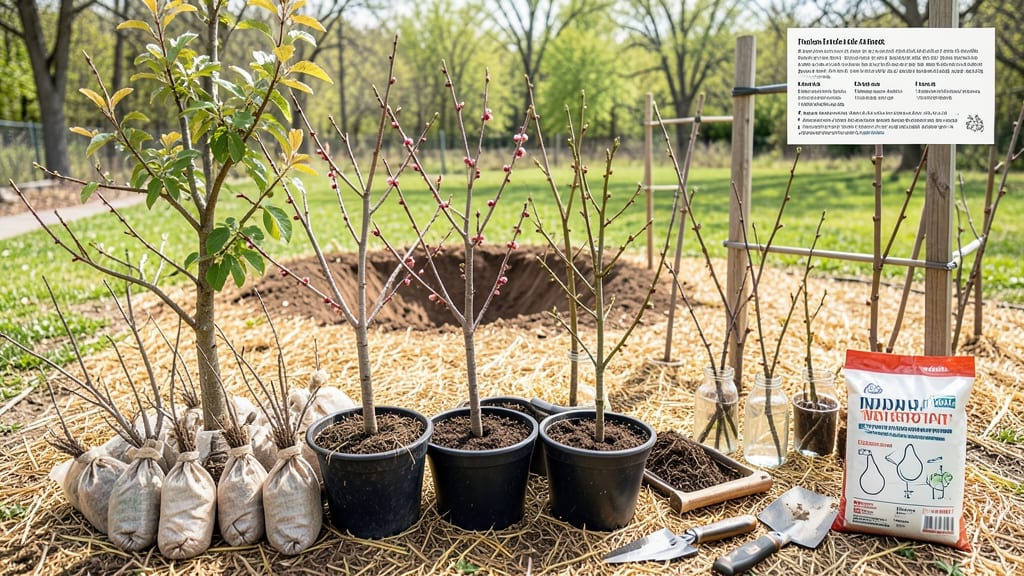
Timing your fruit tree planting in Indiana can make the difference between a thriving orchard and a struggling young tree. The best window—late winter to early spring—lets your 🍎 establish strong roots before summer heat arrives, but getting it wrong risks frost damage or poor growth.
Indiana’s 5b-6b climate demands precision: plant too early, and frost can damage tender roots; too late, and your tree may struggle to adapt before winter. I’ll show you exactly when to plant each variety—whether it’s peaches in March or apples in April—for maximum success.
You don’t need a green thumb to nail this—just a few key strategies. From soil prep to transplanting tips, I’ll walk you through the best practices tailored to Indiana’s unpredictable weather. Let’s get your fruit trees off to the right start.
Ready to avoid common mistakes and set your trees up for decades of harvests? Let’s dive into the ideal planting schedule for your favorite varieties.
Best planting months for fruit trees in Indiana by hardiness zones
Indiana’s USDA Zones 5b-6b mean your fruit trees face last frost dates around April 15 and first frosts by mid-October. The key to success? Planting when soil temperatures rise above 40°F (4°C) but before buds swell—typically between late February and early April for bare-root trees.
This window gives roots time to establish before summer heat arrives.
For container-grown trees, you have more flexibility—plant anytime the ground isn’t frozen, but early spring remains ideal. Fall planting is risky in Indiana due to unpredictable freezes, though late September can work for drought-resistant varieties like figs or pomegranates in sheltered microclimates.
Here’s how Indiana’s two hardiness zones (5b vs. 6b) affect timing:
🌱 Summary Table: Best Planting Months by Zone & Fruit Type
| Zone | Fruit Type | Ideal Planting Window | Soil Temp Threshold | Risk Factor |
|---|---|---|---|---|
| 5b (Northern IN) | Apples, Pears | Late March–April | 45°F (7°C) | High frost risk if planted early |
| 5b (Northern IN) | Peaches, Plums | Early April–May | 50°F (10°C) | Late frosts can damage buds |
| 6b (Southern IN) | Cherries, Figs | February–March | 40°F (4°C) | Warmer zones allow earlier planting |
| 6b (Southern IN) | td style="padding: 8px; border: 1px solid #8b954c;">BlueberriesApril–May | 55°F (13°C) | Acidic soil needed; test pH first |
Stone fruits (peaches, plums, cherries) are the most frost-sensitive, so delay planting until after April 15 in northern Indiana. These trees need 600+ chill hours, which Indiana typically meets by late winter—planting too early can trigger premature bud swell and frost damage.
For pome fruits (apples, pears), aim for early April in Zone 5b or late March in Zone 6b. These varieties tolerate cooler soils better and establish roots faster, giving them a head start for Indiana’s hot, humid summers.
Dwarf varieties like ‘Honeycrisp’ apples adapt well to smaller yards and recover faster from planting stress.
Pro tip: Use a soil thermometer to confirm ground temps before planting. Below 40°F (4°C) slows root growth, while above 60°F (15°C) can stress young trees. In Indiana, this usually aligns with mid-April for most regions—perfect timing for bare-root trees from nurseries.
If you’re planting container-grown trees, spring or fall works, but avoid summer heat (June–August), which causes transplant shock. Water deeply 2–3 times per week for the first month post-planting to encourage root spread into Indiana’s clay-heavy soils.
For unusual varieties like figs or persimmons, push planting to early spring (March) in Zone 6b. These heat-lovers establish faster in warmer microclimates, such as south-facing slopes or near stone walls that absorb daytime heat.
How to adjust planting timing for specific fruit tree varieties
Not all fruit trees thrive with the same planting schedule in Indiana’s USDA Zones 5b-6b. For example, peach and plum trees (stone fruits) need to be planted before buds swell—typically by early April—to avoid frost damage to emerging foliage.
Meanwhile, apple and pear trees (pome fruits) are more forgiving and can handle late spring planting as long as soil temperatures stay above 45°F.
Container-grown trees offer flexibility—you can plant them year-round in Indiana, but early spring (March-April) still gives roots the best chance to establish before summer heat arrives. Bare-root trees, however, demand precise timing: they must go into the ground while still dormant, usually between late February and early April.
For late-blooming varieties like tart cherries, planting in fall (September-October) can be ideal—they establish roots before winter and bloom after last frost. Heat-sensitive trees like figs or persimmons should wait until late spring (May) to avoid early-season frosts that can kill tender new growth.
| Variety | Best Planting Window | Key Consideration | Risk of Late Planting |
|---|---|---|---|
| Peach/Plum (Stone Fruits) | Late Feb - Early April | Dormant planting before buds swell | Frost damage to new growth |
| Apple/Pear (Pome Fruits) | March - May | Soil temp >45°F, container-grown flexible | Slower root establishment |
| Tart Cherry | Fall (Sep-Oct) or Early Spring | Late bloomer; fall roots before winter | Winter desiccation risk |
| Fig/Persimmon | Late Spring (May) | Heat-sensitive; avoid early frost | Frost damage to tender growth |
| Blueberry | Fall (Sep-Oct) or Early Spring | Acidic soil prep critical | pH imbalance delays growth |
If you’re planting in late spring (May), prioritize container-grown trees with established root systems—they adapt better to heat stress. For bare-root trees, avoid planting after mid-April unless you’re in southern Indiana (Zone 6b), where last frost dates are later.
Pro tip: Check your local Indiana State Climate Office for 10-year frost averages—some years, last frost can delay until May 1, pushing ideal planting to June for hardier varieties like apples. Always plant 2-3 weeks before your area’s average last frost date for safety.
For dwarf varieties, timing matters less since they establish faster, but standard-sized trees need that 6-8 week head start before summer heat sets in. My Honeycrisp apple tree thrived because I planted it in early April—roots had 3 months to settle before summer’s peak.